Rupture belongs to history
Earthquake and reconstruction both belong to this building. Explaining change is more honest than suggesting undamaged antiquity.
CAS-008 / São Domingos de Rana
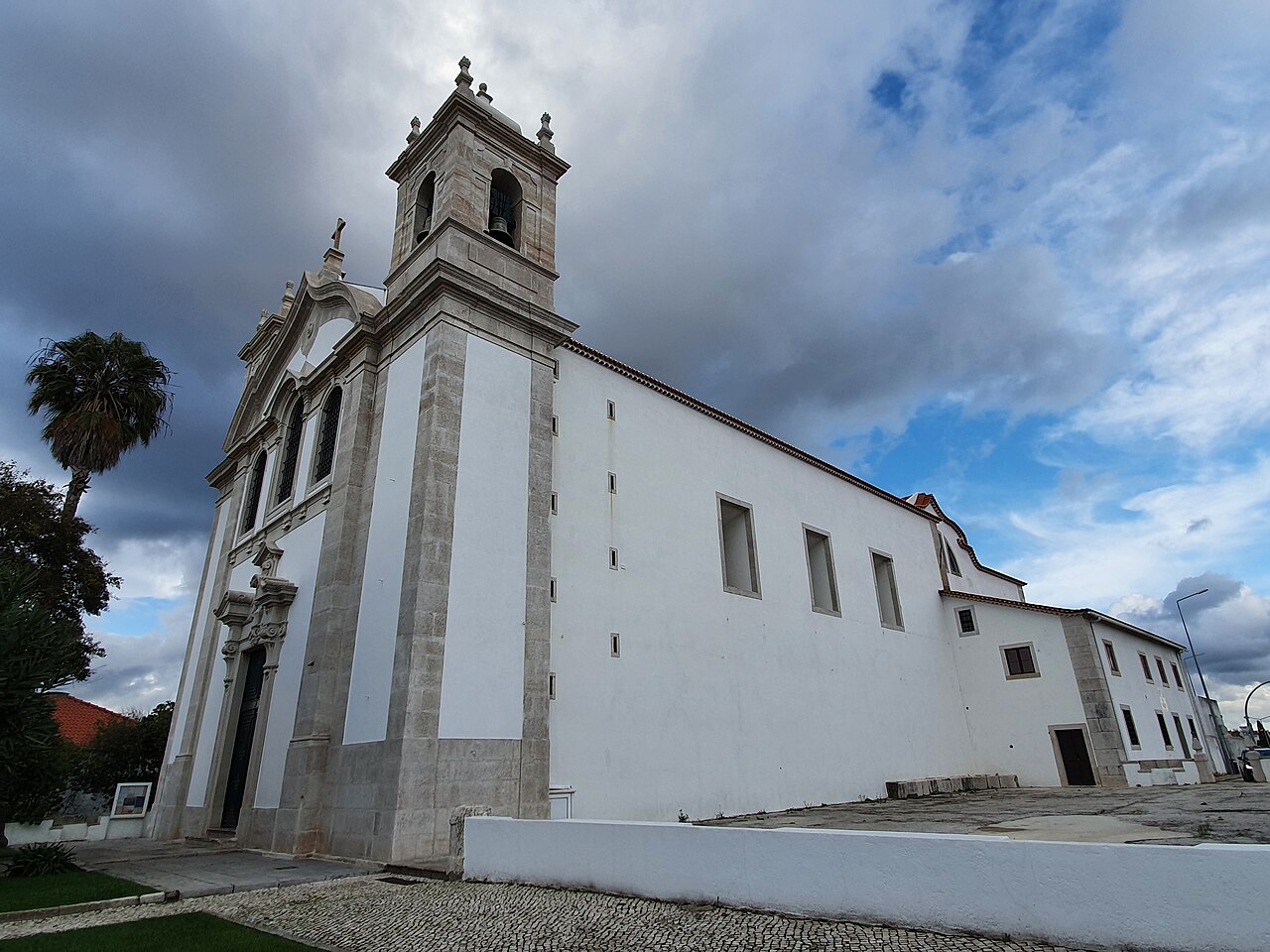
Igreja de São Domingos de Rana
Largo São Domingos 113A, 2785-595 São Domingos de Rana
01 / Building stories
Parish records document activity in 1589. The 1755 earthquake caused damage, and rebuilding extended into the nineteenth century. Today’s church is not an untouched sixteenth-century building: it also records community life remade after rupture.
From the square, observe tower, façade and surrounding streets. Consider whether being old must mean never having changed. Inside, follow parish guidance and respect worship.
Documentary source ↓02 / I Ching reflections
Fu: returning need not erase rupture.
Above · Kun · Earth
Below · Zhen · Thunder
Read the six lines from bottom to top ↑
Zhou Yi · Commentary on the Image · Chinese excerpt
雷在地中,复。Thunder is within the earth: Fu. — Editorial translation of the excerpt
Original text and context ↗A beginning often returns quietly. Fu does not erase change or demand an identical past: it asks what can continue and what conditions would help it grow.
This excerpt gives the natural image that opens the Commentary on the Image. The full passage relates it to personal conduct or governance in its historical context. Follow the source to read it in full. Applying it to buildings today is Xiaoxiong’s editorial proposal, not a summary of every meaning of the ancient text.
Earthquake and reconstruction both belong to this building. Explaining change is more honest than suggesting undamaged antiquity.
Worship and gathering keep the place in use. Fu suggests continuity as a choice made repeatedly.
New materials and new users can also carry memory. Recognising change helps explain the continuity of a living place.
Take a question to the bench
After rebuilding, what carries a place’s memory: its old stones or the people who keep returning?
Go to the bench and note what I saw →A contemporary cultural interpretation by Xiaoxiong. The diagram and excerpt have a source; the building connection is editorial, not architectural intent, historical I Ching influence or the venue’s position.
03 / Nearby life
Find a table nearby · filters and directions →
Dining map records within three kilometres in a straight line of the reference point. Walls, railways and slopes may lengthen the journey. Check the entrance and whether the business is open.
Checking Bench membership and claim status…
The map may omit businesses. Records do not confirm trading status, menus or bookings. Records with an address are shown by default; you can include the others.
04 / The travellers’ Bench
After rebuilding, what carries a place’s memory: its old stones or the people who keep returning?
Building reference point: 38.702669, -9.341169. Used to find what is nearby; the public entrance is not yet confirmed.
GualdimG · CC BY-SA 4.0 · Original photograph page ↗
Cropped preview; see the original photograph. The photograph does not confirm the venue’s present condition.
Sources consulted: