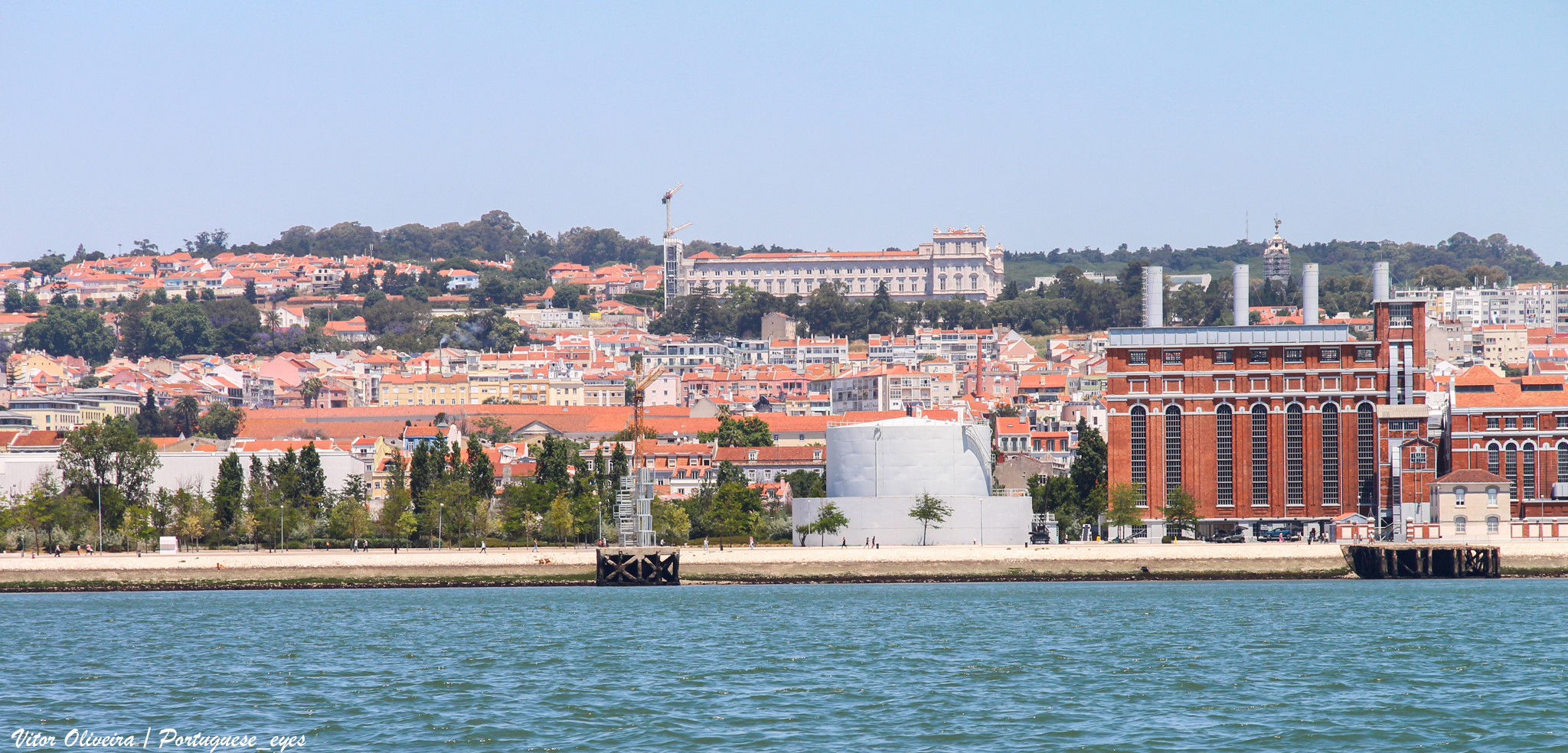
The station is built and begins supplying Lisbon.
 XIAOXIONGMARKETLIS-028 / LISBOA
English
Belém riverfront
Central Tejo Power Station
Brickwork, flues, machines and pipes: follow the process of generating electricity.
Before entering, confirm opening hours and visiting conditions with the venue.
01 / BUILDING HISTORYFACTS BEFORE INTERPRETATION
It supplied electricity to Lisbon
before giving its machinery to the public.
The early station was built in 1908 and produced power from 1909 to 1972, chiefly as reserve after 1951. Brick, iron and glass record successive enlargements; it opened as a museum in 1990 and reopened after restoration in 2006.
View the full timeline
It becomes reserve capacity and ends production.
It becomes a museum and reopens after restoration.
Historical sources and verification
Historical sourcesOfficial heritage register ↗Official institution · history ↗Wikimedia Commons · licences ↗
CITY ANCHOR AUDIT · v1.0
FORMAL ANCHORLIS-028 · FORMAL AUDIT PASSED
Official source
Public heritage, government, archive or responsible-institution records have been checked.
Independent support
At least one separate institutional, professional or academic source corroborates the dossier.
Time and place
Key dates, coordinates and administrative location can be checked against public records.
Facts kept separate
Verified building history is clearly separated from Xiaoxiong's contemporary Eastern reading.
Accountable review
The reviewing team, audit date and next review date are publicly recorded.
02 / WHAT TO LOOK FOR
Brickwork, flues, machines and pipes:
follow the process of generating electricity.
From the riverside, look at the brick façade and flues. When the museum is open, observe how machines, pipes and the building connect. Think of electricity generation as a sequence involving materials, equipment and labour.
Clarity means seeing both the light and what it depends upon.
Another perspective on this building
Central Tejo. Coal once lit the night; knowledge now reveals its cost.
Li is fire and dependence: every light relies on material, labour and environment.
03 / EASTERN EDITORIAL READING · AN EASTERN WAY OF READING THE CITY
HEXAGRAM 30Hexagram 30LiFire over Fire · Li
Commentary on the Image
“Two lights arise: Li.”
Continuing clarity illuminates every direction.
Why do we read this power station
through Li?
Li means fire and attachment. The station turned fuel into light; the museum turns a hidden system into public knowledge.
Explore the interpretationXiaoxiong editorial interpretation
Coal becomes urban light
Boilers, steam and generators turn combustion into electricity.
Energy · Fire attachesConvenience has a system
Workers, port, machinery and fuel sustained each lamp.
Relation · Attached to matterRetired machinery teaches
Preserved equipment lets the public debate energy transition.
Today · Continuing lightKEEP WALKING WITH THIS HEXAGRAMAs a city seeks a brighter future,
As a city seeks a brighter future,
does it count the cost of every energy source?
Identify the brick block, chimneys and new museum, watching production, retirement and culture stand together.
FACT AND INTERPRETATION KEPT SEPARATE
Construction in 1908, production from 1909 to 1972 and museum phases in 1990 and 2006 are official facts. Li is an editorial reading about fire, dependence and transparency.
Loading the restaurant directory within 3 km…
Central Tejo Power Station · 3 KMAround the landmark,
Around the landmark,
— places to try.
Recognize the entrance. Check the route on the map and the menu on the website.