Clues in the space
Ding is a metaphor for holding new uses. Caring for the building and for public memory are simultaneous tasks.
FAR-003 / Walled town
Museu Municipal — Convento da Assunção
Largo D. Afonso III, Faro
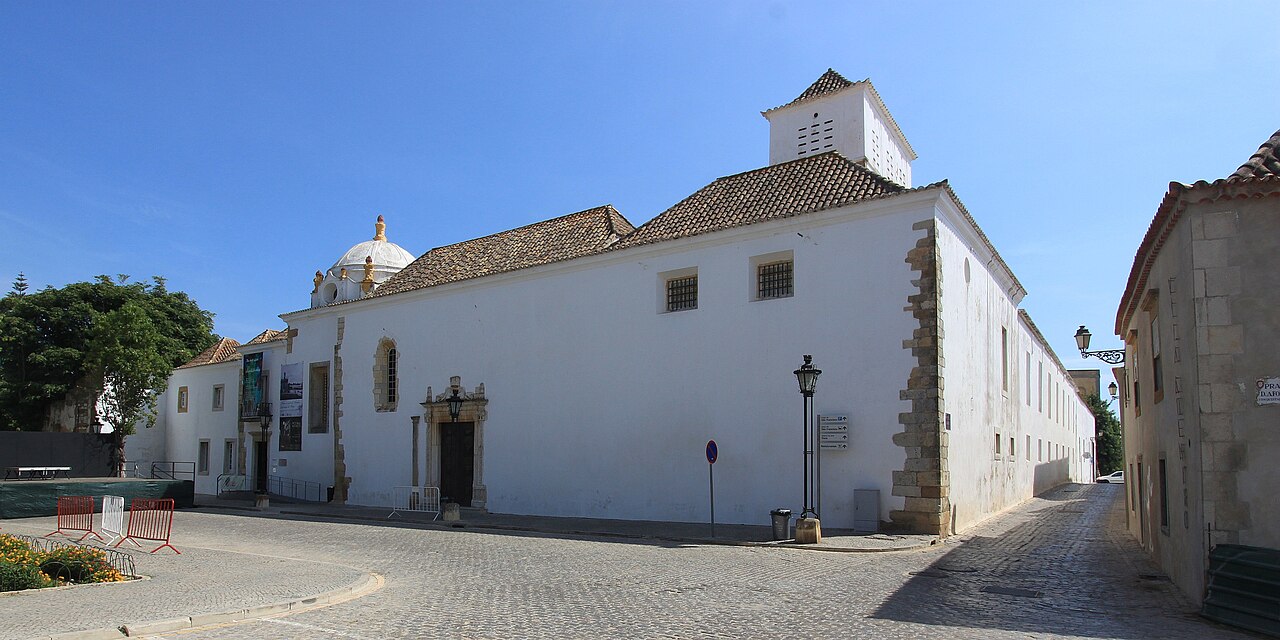
01 / Building stories
The museum occupies the former Assunção Convent. A building of religious life now holds the city’s collections; it too deserves to be read as an object.
Alternate between exhibits and space: lighting, changes of direction and pauses in the courtyard. A label need not obscure the room that holds it.
Follow open areas and confirm exhibitions and visiting arrangements; do not touch exhibits.
Documentary source ↓02 / I Ching reflections
Ding offers a metaphor of holding and transformation. A space matters both for what it preserves and for needs it can receive. Change also requires continuing maintenance and use.
Above · Li · Fire
Below · Xun · Wind / wood
Read the six lines from bottom to top ↑
Zhou Yi · Commentary on the Image · Chinese excerpt
木上有火,鼎。Fire is above wood: Ding. — Editorial translation of the excerpt
Original text and context ↗Wood and fire give transformation an image. Ding also suggests a supporting vessel: an old space can hold new activities when structure, use and care work together.
This excerpt gives the natural image that opens the Commentary on the Image. The full passage relates it to personal conduct or governance in its historical context. Follow the source to read it in full. Applying it to buildings today is Xiaoxiong’s editorial proposal, not a summary of every meaning of the ancient text.
Ding is a metaphor for holding new uses. Caring for the building and for public memory are simultaneous tasks.
Follow open areas and confirm exhibitions and visiting arrangements; do not touch exhibits.
Think of something you own but rarely use. Could repair, sharing or adaptation return it to daily life? Even a small transformation needs care for its future users.
Take a question to the bench
How does this room change the way you see the objects?
Go to the bench and note what I saw →A contemporary cultural interpretation by Xiaoxiong. The diagram and excerpt have a source; the building connection is editorial, not architectural intent, historical I Ching influence or the venue’s position.
03 / Nearby life
Find a table nearby · filters and directions →
Dining map records within three kilometres in a straight line of the reference point. Walls, railways and slopes may lengthen the journey. Check the entrance and whether the business is open.
Checking Bench membership and claim status…
This selection covers the current municipality. Near hills, rivers and municipal boundaries, plan transport using actual roads.
The map may omit businesses. Records do not confirm trading status, menus or bookings. Records with an address are shown by default; you can include the others.
04 / The travellers’ Bench
How does this room change the way you see the objects?
Nol Aders · CC BY-SA 3.0 · Original photograph page ↗
Cropped preview; see the original photograph. The photograph does not confirm the venue’s present condition.
Sources consulted: 2026-10-23