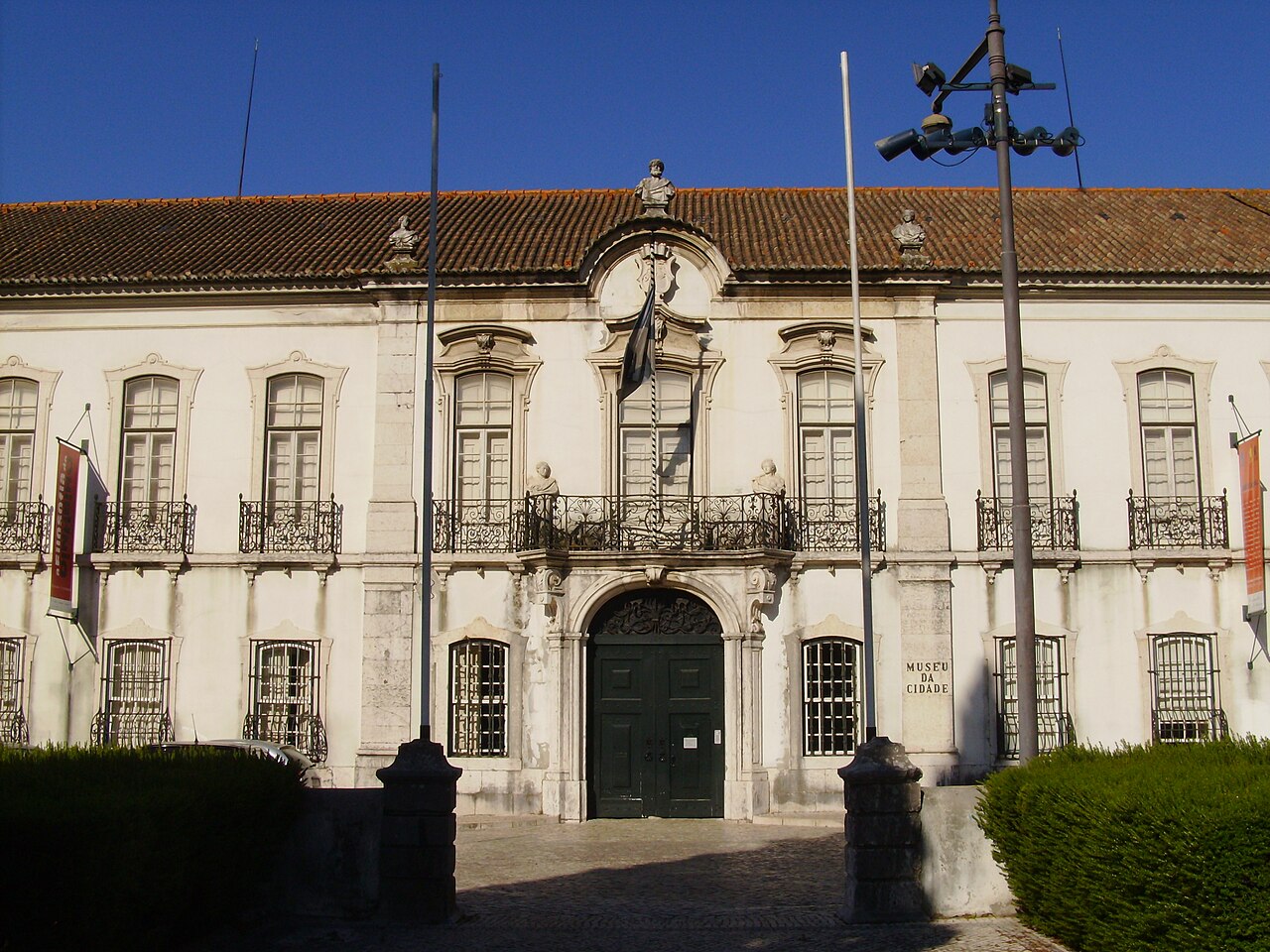
The summer palace takes shape.
 XIAOXIONGMARKETLIS-030 / LISBOA
English
Campo Grande and Alvalade
Pimenta Palace
From the palace entrance to the exhibitions, discover the history of Lisbon.
Before entering, confirm opening hours and visiting conditions with the venue.
01 / BUILDING HISTORYFACTS BEFORE INTERPRETATION
The palace passed through factory and alteration
before becoming a museum of Lisbon.
Built in the first half of the eighteenth century as a summer palace, it was listed in 1936. Research traces a textile factory and alterations between 1833 and 1962; in the twentieth century it became the city museum.
View the full timeline
Factory, alterations and changing uses reshape the house.
It becomes a museum organising Lisbon's evolution.
Historical sources and verification
Historical sourcesOfficial heritage register ↗Official institution · history ↗Wikimedia Commons · licences ↗Supplemental audit source ↗
CITY ANCHOR AUDIT · v1.0
FORMAL ANCHORLIS-030 · FORMAL AUDIT PASSED
Official source
Public heritage, government, archive or responsible-institution records have been checked.
Independent support
At least one separate institutional, professional or academic source corroborates the dossier.
Time and place
Key dates, coordinates and administrative location can be checked against public records.
Facts kept separate
Verified building history is clearly separated from Xiaoxiong's contemporary Eastern reading.
Accountable review
The reviewing team, audit date and next review date are publicly recorded.
02 / WHAT TO LOOK FOR
From the palace entrance to the exhibitions,
discover the history of Lisbon.
Start with the palace entrance, then use the exhibition to connect the building with Lisbon's history. Notice how the labels distinguish its palace, industrial and museum phases rather than treating them as a single period.
A city able to move forward must know where to stop and look back.
Another perspective on this building
Pimenta Palace. However quickly a city moves, it needs somewhere to organise itself.
Gen does not freeze time; it stops at the right place to see the next step.
03 / EASTERN EDITORIAL READING · AN EASTERN WAY OF READING THE CITY
HEXAGRAM 52Hexagram 52GenMountain over Mountain · Gen
Commentary on the Image
“Mountains joined: Gen.”
Thought does not leave its proper place.
Why do we read this city museum
through Gen?
An urban archive needs boundaries, pause and order. Gen gives each time its place without freezing history into one answer.
Explore the interpretationXiaoxiong editorial interpretation
The museum slows daily time
Objects are isolated, described and compared.
Method · Stop in placeThree lives retain their place
Palace, factory and museum explain one another in layers.
Time · Remain in positionPause prepares action
Understanding the former city prevents decisions without memory.
Today · Stop, then moveKEEP WALKING WITH THIS HEXAGRAMIn a city always changing,
In a city always changing,
where is the quiet space for reflection?
Move from the entrance into Campo Grande garden and compare museum pause with traffic speed.
FACT AND INTERPRETATION KEPT SEPARATE
The eighteenth-century palace, 1936 listing, factory phase and museum use come from Museum of Lisbon sources. Gen is an editorial reading about pause, order and restarting.
Loading the restaurant directory within 3 km…
Pimenta Palace · 3 KMAround the landmark,
Around the landmark,
— places to try.
Recognize the entrance. Check the route on the map and the menu on the website.