01 / How this building reached the presentFACTS BEFORE INTERPRETATION
A country house and an exile’s final home
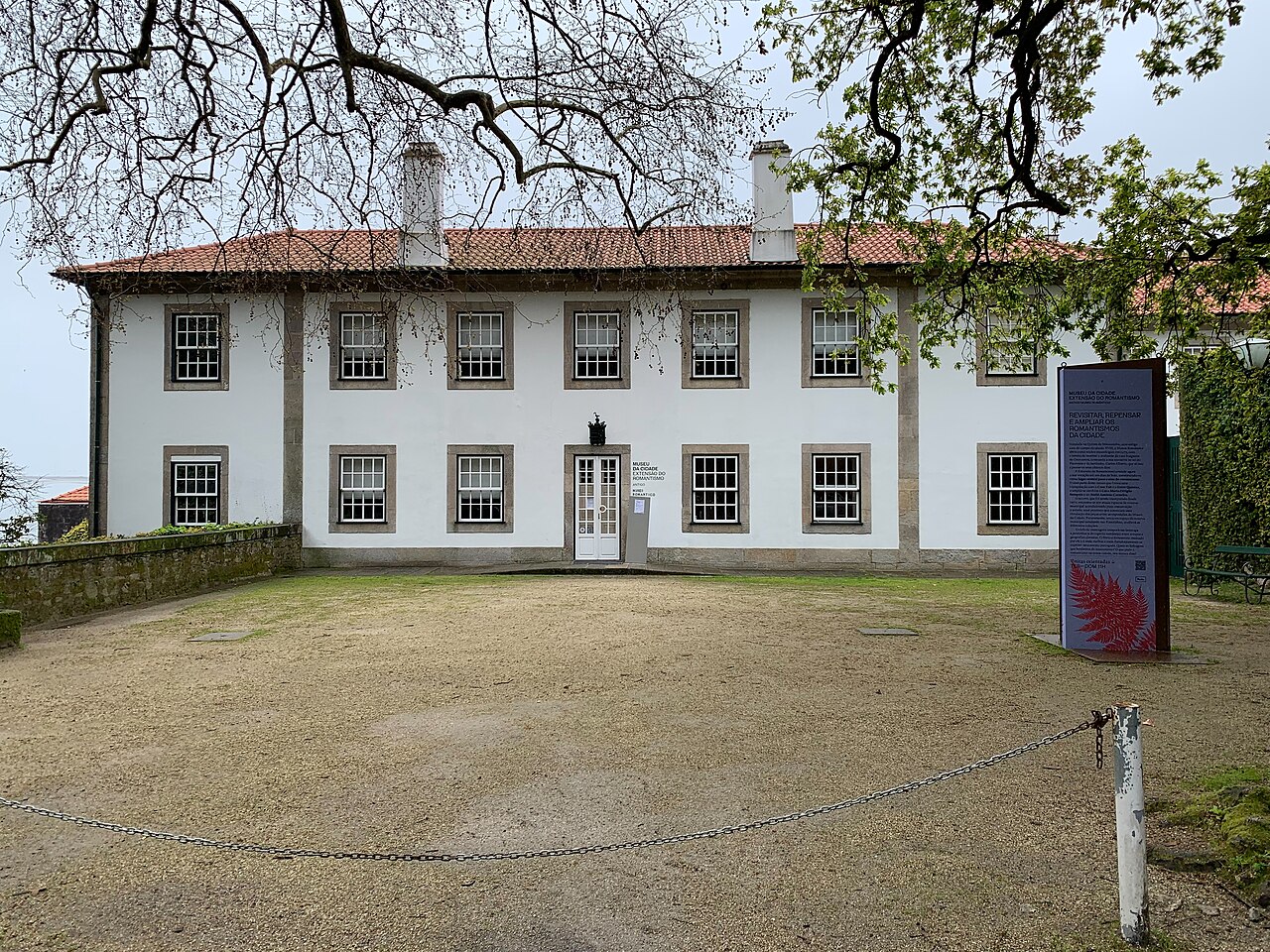
The Romantic Museum occupies Quinta da Macieirinha, an 18th-century country house formerly owned by the Pinto Basto family, according to Museu do Porto. In 1849, Charles Albert of Sardinia spent the final part of his exile and life here.
The residence later became a museum. Rooms, garden and valley reveal different timescales: one visitor’s brief stay and the building’s changing uses afterwards.
Notice the space between house and garden, then look towards the valley from accessible areas. Consider the difference between living in a landscape and displaying it.
I Ching · Independent reading
Lü: a brief stay can leave lasting traces
The position of this readingLü separates dwelling from belonging: a house remains while the circumstances of its occupants change.
A contemporary editorial reading through the I Ching, open to discussion and challenge; it does not represent the building’s original intent or the venue’s position.
Explore the I Ching reading
The classical text and the building
HEXAGRAM 56
56Lü · The travellerFire over mountain
Zhou Yi · Image · Excerpt and editorial translation
山上有火,旅。 Fire above the mountain: the traveller.
Lü separates dwelling from belonging: a house remains while the circumstances of its occupants change.
01
Dwelling and belonging
The exile lived here makes that distinction tangible. The hexagram does not explain the king’s fate; it prompts a question about shelter in unfamiliar circumstances.
02
Whose daily life survives
A museum’s famous resident can dominate its story. Those who kept the house habitable also deserve attention.
Another perspective · I Ching
A contemporary cultural interpretation by Xiaoxiong inspired by the I Ching, not architectural intent, historical fact, divination or an interpretation endorsed by the venue.
 XIAOXIONGMARKET