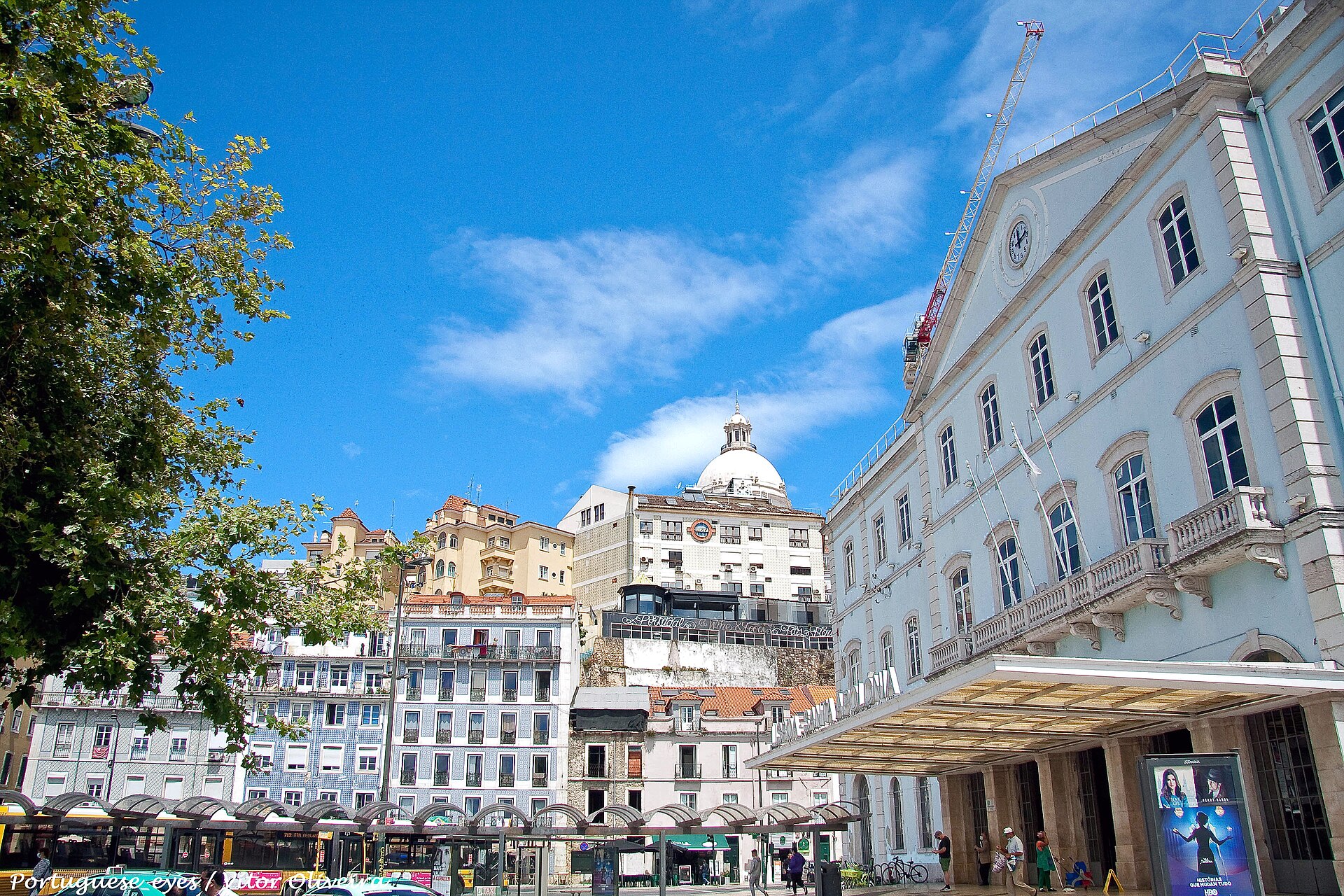
Portugal's first railway links Lisbon with Carregado, using temporary facilities in the former Santa Apolónia convent.
 XIAOXIONGMARKETLIS-008 / LISBOA
English
Santa Apolónia and the eastern riverfront
Santa Apolónia Station
From the street entrance to the platforms, see how the riverside station welcomes travellers.
Before entering, confirm opening hours and visiting conditions with the venue.
01 / BUILDING HISTORYFACTS BEFORE INTERPRETATION
First came a provisional departure,
then a true urban gateway took shape.
Portugal's first railway section left this area for Carregado in 1856. The present station was approved in 1862 and opened in 1865. Additional floors, electrification and the metro later reshaped its role.
View the full timeline
The permanent station design is approved, prepared by a team of engineers and built by a French company.
The present station opens on 1 May as a terminus for the North and East lines.
Another floor is added and the building adapts to railway administration and growing passenger services.
Long-distance trains return; the 2007 metro connection joins the national network to urban transport.
Historical sources and verification
Historical sourcesPatrimónio Cultural · official register ↗Official institution · building history ↗Wikimedia Commons · image licences ↗Supplemental audit source ↗
CITY ANCHOR AUDIT · v1.0
FORMAL ANCHORLIS-008 · FORMAL AUDIT PASSED
Official source
Public heritage, government, archive or responsible-institution records have been checked.
Independent support
At least one separate institutional, professional or academic source corroborates the dossier.
Time and place
Key dates, coordinates and administrative location can be checked against public records.
Facts kept separate
Verified building history is clearly separated from Xiaoxiong's contemporary Eastern reading.
Accountable review
The reviewing team, audit date and next review date are publicly recorded.
02 / WHAT TO LOOK FOR
From the street entrance to the platforms,
see how the riverside station welcomes travellers.
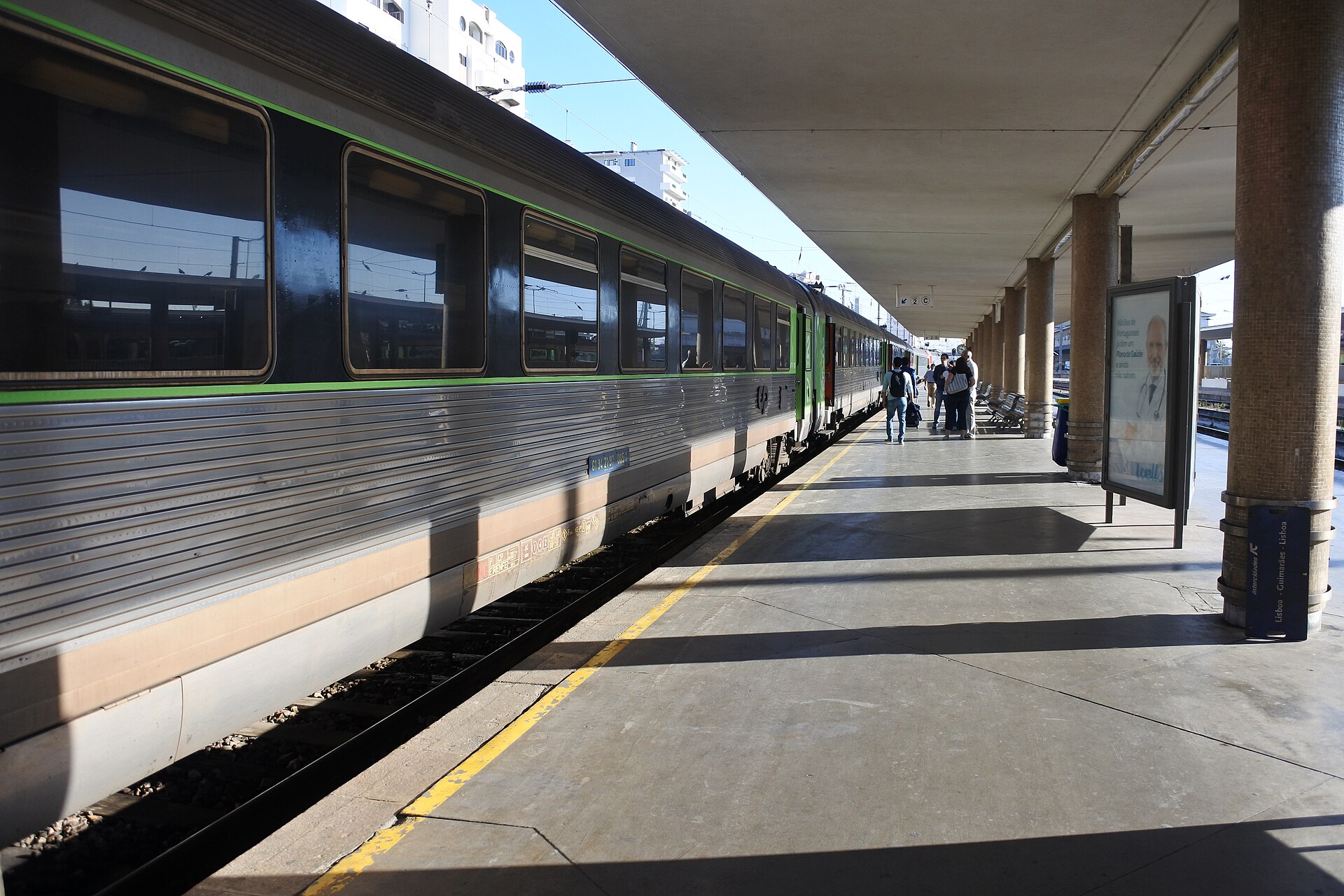
Start with the façade and entrance, then observe how passengers move between the street, waiting areas and platforms. Keep circulation routes clear. For travel information, use the station's current departure boards.
Every genuine departure begins by breaking some form of stillness.
Another perspective on this building
Santa Apolónia. One whistle pushed the city towards distance.
Zhen does not exist to frighten; it wakes a still world and sets it moving again.
03 / EASTERN EDITORIAL READING · AN EASTERN WAY OF READING THE CITY
HEXAGRAM 51Hexagram 51ZhenZhen over Zhen · Thunder
Commentary on the Image
“Repeated thunder: Zhen.”
The shock leads to attention and reflection.
Why do we read this station
through Zhen?
Zhen is disruption and beginning. Railway sound changed how distance was understood; the point is not noise itself, but how direction is adjusted afterwards.
Explore the interpretationXiaoxiong editorial interpretation
Rail sets the city travelling
The 1856 line places Lisbon within a new speed and a national network.
Function · Zhen sets things movingTechnology changes life's rhythm
Whistles, timetables and platforms turn distance into calculated departures and arrivals.
Experience · Shock with orderEvery expansion recalibrates connection
Across rail, long-distance services and metro, the station repeatedly revises how the city connects.
Today · Reflect after disruptionKEEP WALKING WITH THIS HEXAGRAMAs speed increases,
As speed increases,
do we still know why we are leaving?
Walk from the forecourt along the river and look back towards Alfama: travellers, residents, taxis and small shops share the same point of departure.
FACT AND INTERPRETATION KEPT SEPARATE
The 1856 railway, 1862 design, 1865 opening and later adaptations are verifiable facts. Zhen is a contemporary editorial reading about movement, speed and readjustment.
Loading the restaurant directory within 3 km…
Santa Apolónia Station · 3 KMAround the landmark,
Around the landmark,
— places to try.
Recognize the entrance. Check the route on the map and the menu on the website.