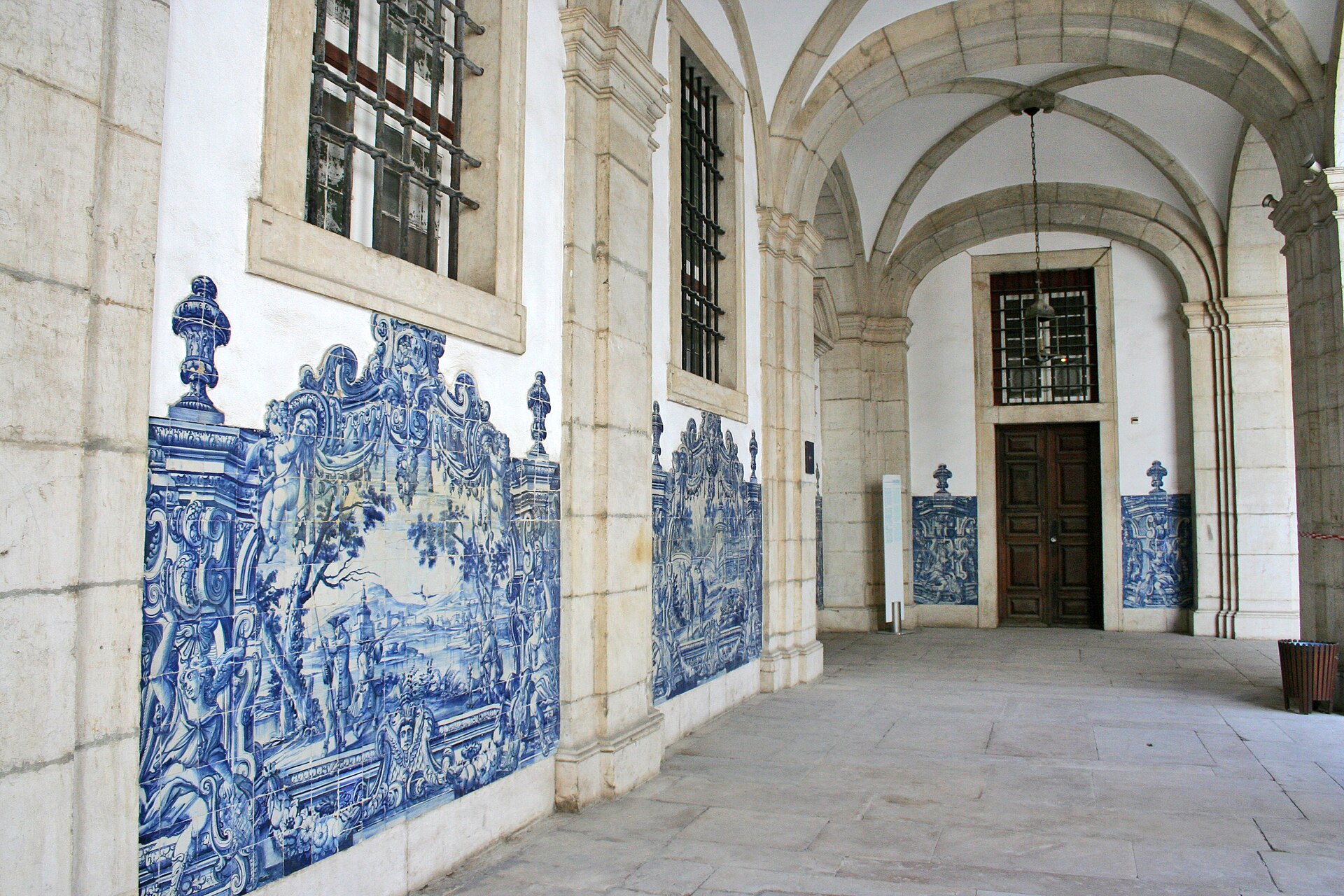
Afonso Henriques founds the monastery after Lisbon's conquest and entrusts it to Augustinian canons.
 XIAOXIONGMARKETLIS-004 / LISBOA
English
São Vicente and Alfama
Monastery of São Vicente de Fora
Explore the cloisters, tiles and tombs. See the monastery through different ages.
Before entering, confirm opening hours and visiting conditions with the venue.
01 / BUILDING HISTORYFACTS BEFORE INTERPRETATION
It took root beyond the walls,
then gathered a dynasty and a city inside.
Founded by Afonso Henriques in 1147, the medieval monastery was replaced by the monumental rebuilding of the sixteenth and seventeenth centuries. It later became an episcopal palace, royal pantheon and place of public memory.
View the full timeline
Saint Anthony of Lisbon professes here before moving to Coimbra.
The old complex gives way to the monumental building associated with Filippo Terzi and other masters.
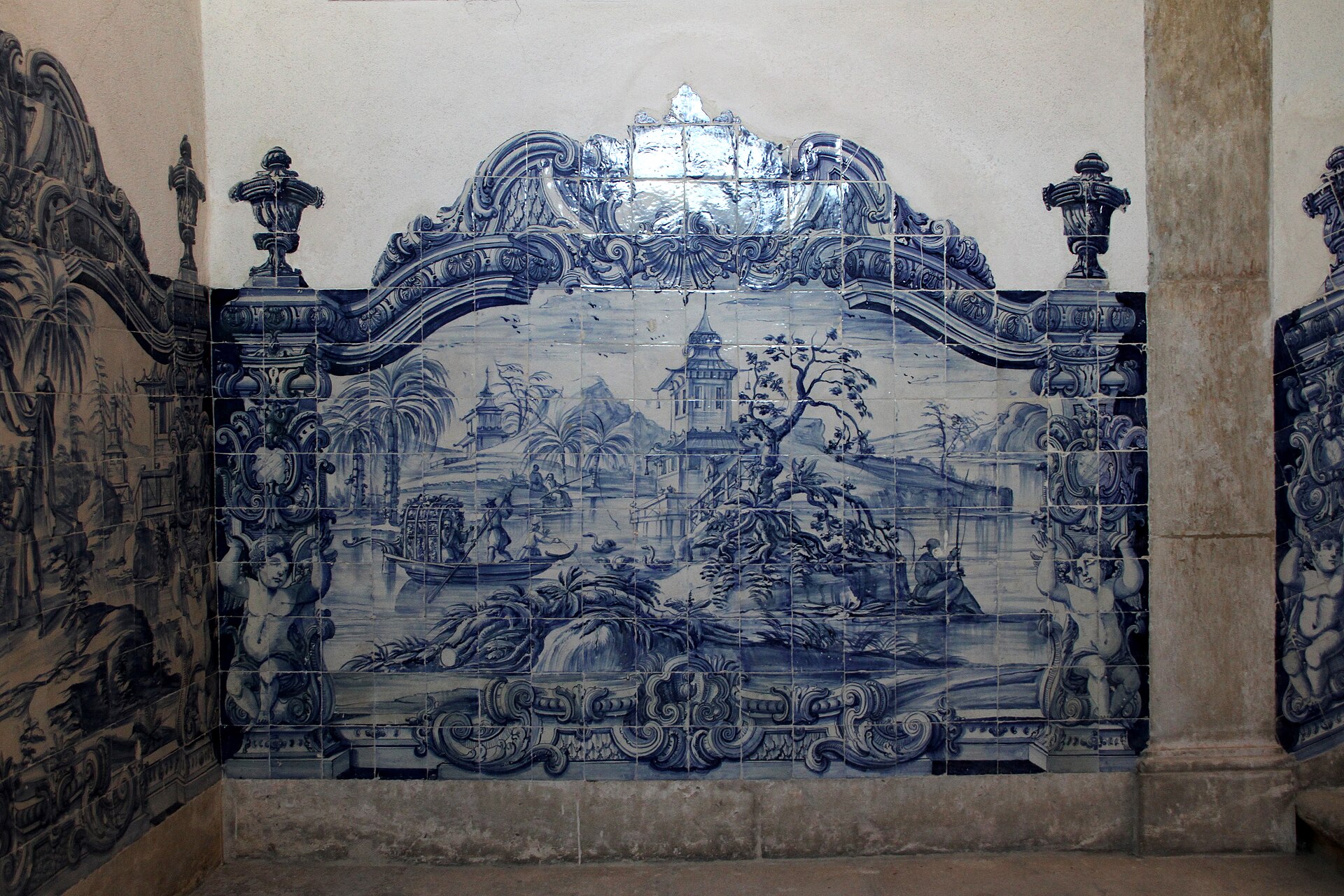
Cloisters and rooms receive extensive azulejo cycles, turning walls into visual narrative.
After the religious orders are dissolved, it becomes an episcopal palace and keeps the Braganza and Patriarchal pantheons.
Historical sources and verification
Historical sourcesPatrimónio Cultural · official register ↗Official institution · building history ↗Wikimedia Commons · image licences ↗Supplemental audit source ↗
CITY ANCHOR AUDIT · v1.0
FORMAL ANCHORLIS-004 · FORMAL AUDIT PASSED
Official source
Public heritage, government, archive or responsible-institution records have been checked.
Independent support
At least one separate institutional, professional or academic source corroborates the dossier.
Time and place
Key dates, coordinates and administrative location can be checked against public records.
Facts kept separate
Verified building history is clearly separated from Xiaoxiong's contemporary Eastern reading.
Accountable review
The reviewing team, audit date and next review date are publicly recorded.
02 / WHAT TO LOOK FOR
Explore the cloisters, tiles and tombs.
See the monastery through different ages.
Look at the cloister, tiles and tombs separately: first notice how the spaces connect, then the images on the walls, and finally the tomb labels. They belong to one monastery but record uses from different periods.
Abundance is not having more; it is refusing to let what matters disappear while it is in our care.
Another perspective on this building
São Vicente de Fora. The more we inherit, the greater our duty of care.
What once stood beyond the walls became one of the city's great stores of memory.
03 / EASTERN EDITORIAL READING · AN EASTERN WAY OF READING THE CITY
HEXAGRAM 14Hexagram 14Da YouFire over Heaven · Da You
Commentary on the Image
“Fire above Heaven: Da You.”
Abundance calls for discernment and responsibility.
Why do we read this monastery
through Da You?
Da You does not glorify possession. It asks how to choose, order and transmit when much has been entrusted to us.
Explore the interpretationXiaoxiong editorial interpretation
Many identities, one place
Monastery, royal pantheon, patriarchal palace and museum overlap; abundance becomes a public trust.
History · Wealth through accumulationMemory needs order
Azulejos, tombs and records gain meaning only when their origin, period and purpose remain clear.
Editing · Distinguish in order to preserveHeritage returns to the public
What is kept stays alive only when it can be read, discussed and shared again.
Today · To possess is to answerKEEP WALKING WITH THIS HEXAGRAMIf a city holds so much heritage,
If a city holds so much heritage,
does it also owe everyone the means to understand it?
Walk into São Vicente and notice how walls, memorial stones and shop signs preserve memory at different scales.
FACT AND INTERPRETATION KEPT SEPARATE
The foundation, rebuilding, uses and pantheons are verifiable facts. Da You is a contemporary editorial reading about accumulated heritage and public responsibility; it is not the building's original meaning.
Loading the restaurant directory within 3 km…
Monastery of São Vicente de Fora · 3 KMAround the landmark,
Around the landmark,
— places to try.
Recognize the entrance. Check the route on the map and the menu on the website.