Coal becomes urban light
Boilers, steam and generators turn combustion into electricity.
LIS-028 / West
Central Tejo
01 / Building stories
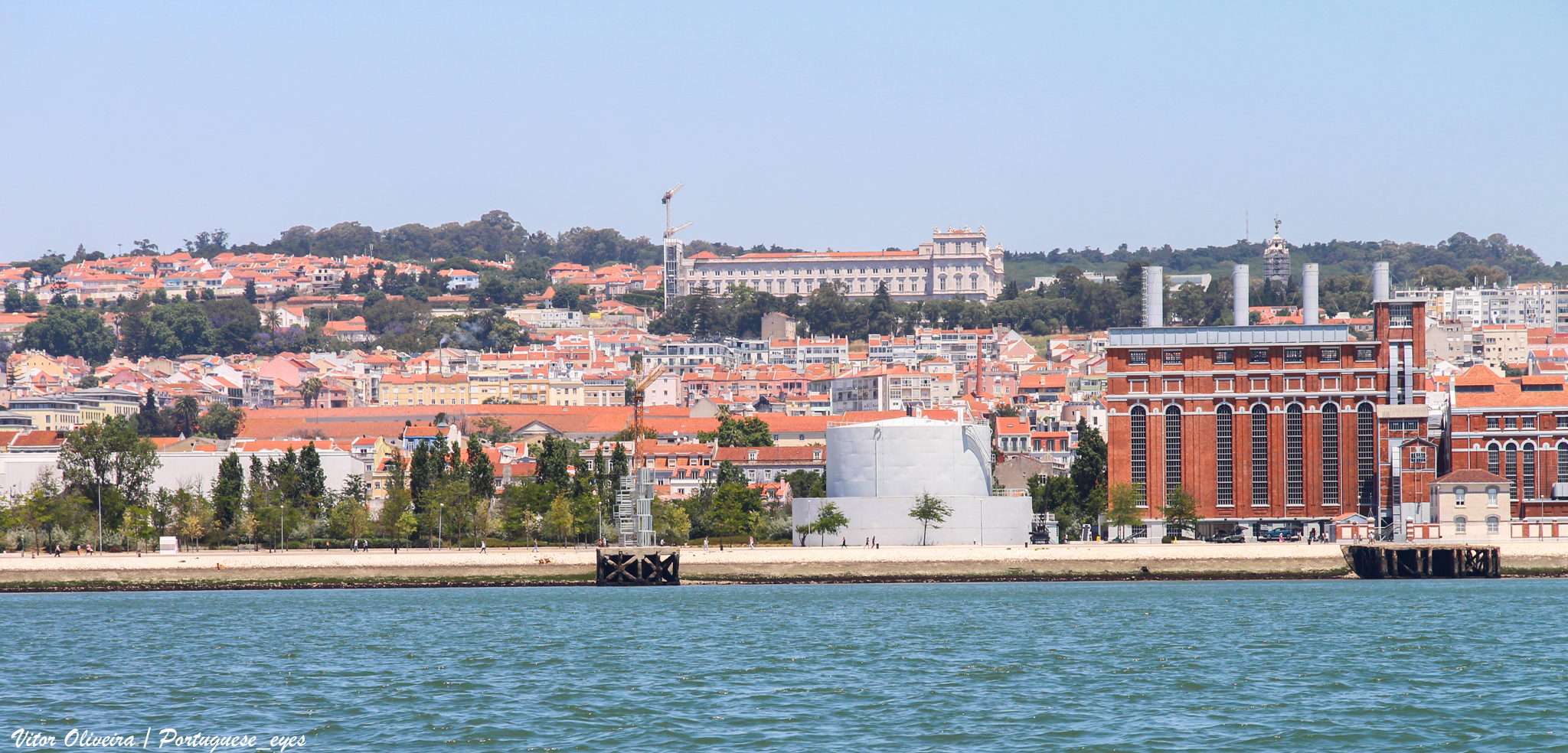
The early station was built in 1908 and produced power from 1909 to 1972, chiefly as reserve after 1951. Brick, iron and glass record successive enlargements; it opened as a museum in 1990 and reopened after restoration in 2006.
1908–1909 — The station is built and begins supplying Lisbon.
1951–1972 — It becomes reserve capacity and ends production.
1990–2006 — It becomes a museum and reopens after restoration.
From the riverside, look at the brick façade and flues. When the museum is open, observe how machines, pipes and the building connect. Think of electricity generation as a sequence involving materials, equipment and labour.
Documentary source ↓02 / I Ching reflections
Li means fire and attachment. The station turned fuel into light; the museum turns a hidden system into public knowledge.
Above · Li · Fire
Below · Li · Fire
Read the six lines from bottom to top ↑
Zhou Yi · Commentary on the Image · Chinese excerpt
明两作,离。Light rises again: Li. — Editorial translation of the excerpt
Original text and context ↗Two lights rise one after the other. Li suggests attachment: light needs something to rest on before it can illuminate its surroundings. When you see the light, notice also what keeps sustaining it.
This excerpt gives the natural image that opens the Commentary on the Image. The full passage relates it to personal conduct or governance in its historical context. Follow the source to read it in full. Applying it to buildings today is Xiaoxiong’s editorial proposal, not a summary of every meaning of the ancient text.
Boilers, steam and generators turn combustion into electricity.
Workers, port, machinery and fuel sustained each lamp.
Preserved equipment lets the public debate energy transition.
Take a question to the bench
As a city seeks a brighter future, does it count the cost of every energy source?
Go to the bench and note what I saw →A contemporary cultural interpretation by Xiaoxiong. The diagram and excerpt have a source; the building connection is editorial, not architectural intent, historical I Ching influence or the venue’s position.
03 / Nearby life
Find a table nearby · filters and directions →
Dining map records within three kilometres in a straight line of the reference point. Walls, railways and slopes may lengthen the journey. Check the entrance and whether the business is open.
The map may omit businesses. Records do not confirm trading status, menus or bookings. Records with an address are shown by default; you can include the others.
04 / The travellers’ Bench
As a city seeks a brighter future, does it count the cost of every energy source?
Reviewing team: Xiaoxiong Market · City Editorial Desk · Audit date: 2026-09-20 · Next review: 2027-09-20
Vitor Oliveira · CC BY-SA 2.0 · Original photograph page ↗
Cropped preview; see the original photograph. The photograph does not confirm the venue’s present condition.
Sources consulted: 2026-09-20