The museum slows daily time
Objects are isolated, described and compared.
LIS-030 / North
Palácio Pimenta
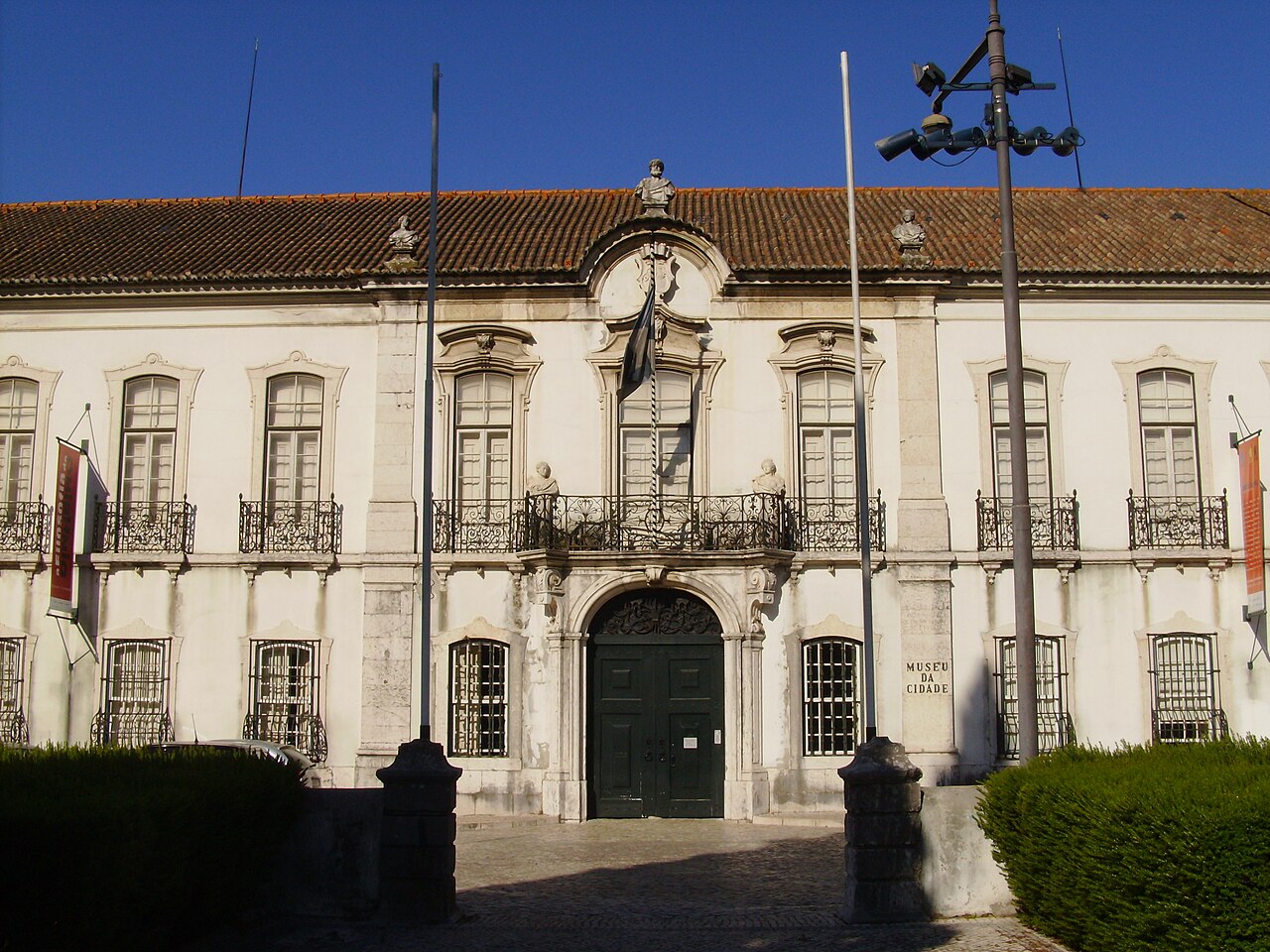
01 / Building stories
Built in the first half of the eighteenth century as a summer palace, it was listed in 1936. Research traces a textile factory and alterations between 1833 and 1962; in the twentieth century it became the city museum.
Early 18th century — The summer palace takes shape.
1833–1962 — Factory, alterations and changing uses reshape the house.
20th century–today — It becomes a museum organising Lisbon's evolution.
Start with the palace entrance, then use the exhibition to connect the building with Lisbon's history. Notice how the labels distinguish its palace, industrial and museum phases rather than treating them as a single period.
Documentary source ↓02 / I Ching reflections
An urban archive needs boundaries, pause and order. Gen gives each time its place without freezing history into one answer.
Above · Gen · Mountain
Below · Gen · Mountain
Read the six lines from bottom to top ↑
Zhou Yi · Commentary on the Image · Chinese excerpt
兼山,艮。Mountains one above another: Gen. — Editorial translation of the excerpt
Original text and context ↗Two mountains bring stopping and limits into view. Gen becomes a judgement: when to continue and when to pause to understand conditions? Acknowledging boundaries can make the next step more deliberate.
This excerpt gives the natural image that opens the Commentary on the Image. The full passage relates it to personal conduct or governance in its historical context. Follow the source to read it in full. Applying it to buildings today is Xiaoxiong’s editorial proposal, not a summary of every meaning of the ancient text.
Objects are isolated, described and compared.
Palace, factory and museum explain one another in layers.
Understanding the former city prevents decisions without memory.
Take a question to the bench
In a city always changing, where is the quiet space for reflection?
Go to the bench and note what I saw →A contemporary cultural interpretation by Xiaoxiong. The diagram and excerpt have a source; the building connection is editorial, not architectural intent, historical I Ching influence or the venue’s position.
03 / Nearby life
Find a table nearby · filters and directions →
Dining map records within three kilometres in a straight line of the reference point. Walls, railways and slopes may lengthen the journey. Check the entrance and whether the business is open.
The map may omit businesses. Records do not confirm trading status, menus or bookings. Records with an address are shown by default; you can include the others.
04 / The travellers’ Bench
In a city always changing, where is the quiet space for reflection?
Reviewing team: Xiaoxiong Market · City Editorial Desk · Audit date: 2026-09-20 · Next review: 2027-09-20
Carlos Luis M C da Cruz · Public Domain · Original photograph page ↗
Cropped preview; see the original photograph. The photograph does not confirm the venue’s present condition.
Sources consulted: 2026-09-20