Several periods make the building
A seventeenth-century beginning and eighteenth-century rebuilding remain together.
LIS-031 / North
01 / Building stories
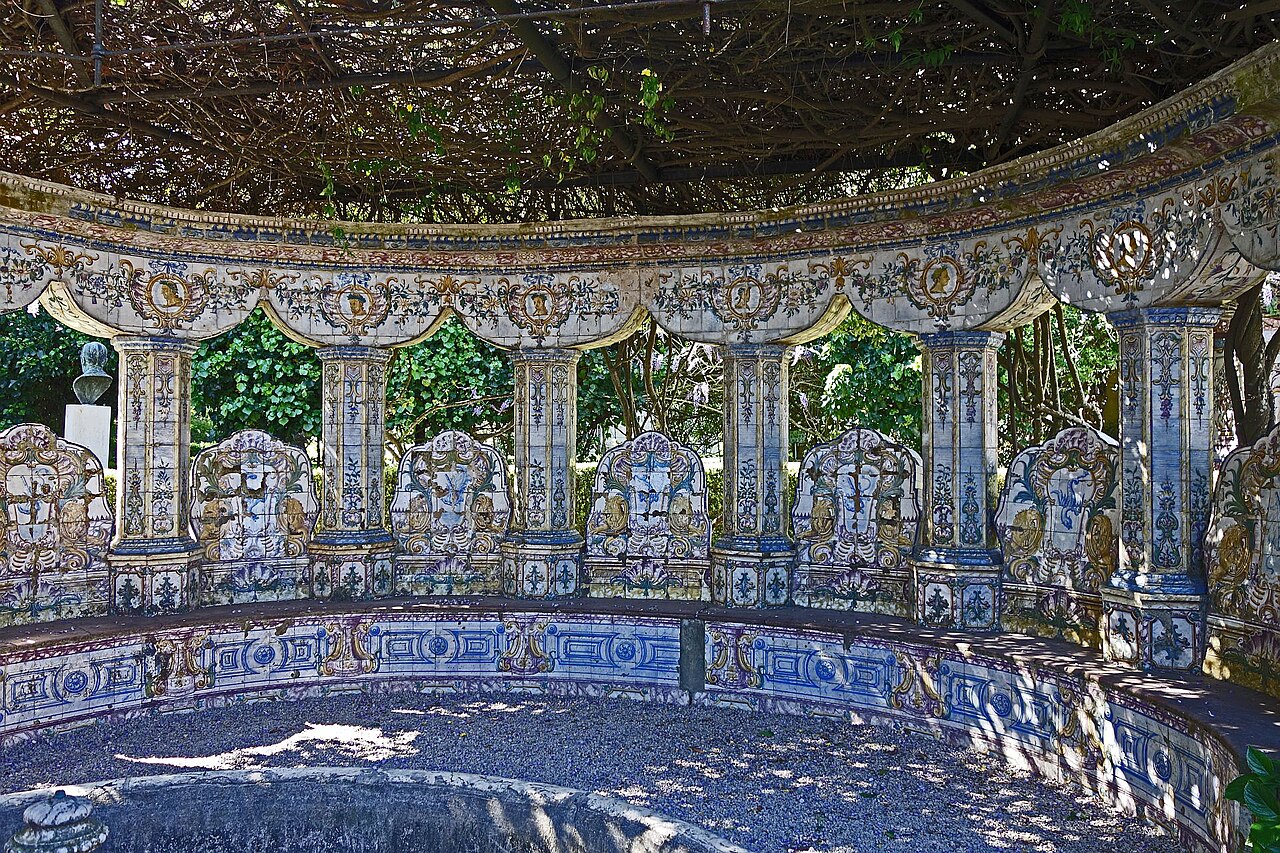
The estate probably began in the early seventeenth century and was rebuilt in the next. Rich tiles from the first half of the eighteenth century show hunting, festivities, religion, interiors and courtship; the property was listed in 1962.
Early 17th century — The first estate probably takes shape.
Early 18th century — Rebuilding and extensive tile cycles define the site.
1962 — The estate is listed as a Property of Public Interest.
If entry is permitted, follow the tiled hunting, festive and figure scenes in sections, noticing how they turn around the curved benches. Confirm the estate's accessible areas beforehand rather than treating it as an unrestricted roadside attraction.
Documentary source ↓02 / I Ching reflections
Building, rebuilding, decoration and protection formed the site gradually; each tile relies on neighbouring pieces.
Above · Xun · Wind / wood
Below · Gen · Mountain
Read the six lines from bottom to top ↑
Zhou Yi · Commentary on the Image · Chinese excerpt
山上有木,渐。Wood grows upon the mountain: Jian. — Editorial translation of the excerpt
Original text and context ↗A tree’s growth depends on time and roots. Jian makes habits, craft and maintenance observable processes. Slowness does not guarantee a sound direction; that direction needs review.
This excerpt gives the natural image that opens the Commentary on the Image. The full passage relates it to personal conduct or governance in its historical context. Follow the source to read it in full. Applying it to buildings today is Xiaoxiong’s editorial proposal, not a summary of every meaning of the ancient text.
A seventeenth-century beginning and eighteenth-century rebuilding remain together.
Each tile gains meaning through order and proximity.
Fragile surfaces need maintenance over time.
Take a question to the bench
Will we give ten years of care to a place that cannot be resolved in ten days?
Go to the bench and note what I saw →A contemporary cultural interpretation by Xiaoxiong. The diagram and excerpt have a source; the building connection is editorial, not architectural intent, historical I Ching influence or the venue’s position.
03 / Nearby life
Find a table nearby · filters and directions →
Dining map records within three kilometres in a straight line of the reference point. Walls, railways and slopes may lengthen the journey. Check the entrance and whether the business is open.
The map may omit businesses. Records do not confirm trading status, menus or bookings. Records with an address are shown by default; you can include the others.
04 / The travellers’ Bench
Will we give ten years of care to a place that cannot be resolved in ten days?
Reviewing team: Xiaoxiong Market · City Editorial Desk · Audit date: 2026-09-20 · Next review: 2027-09-20
Bosc d'Anjou · CC BY 2.0 · Original photograph page ↗
Cropped preview; see the original photograph. The photograph does not confirm the venue’s present condition.
Sources consulted: 2026-09-20