First, hold a community
Cloisters, refectory and workshops supported collective life.
LIS-020 / Historic centre
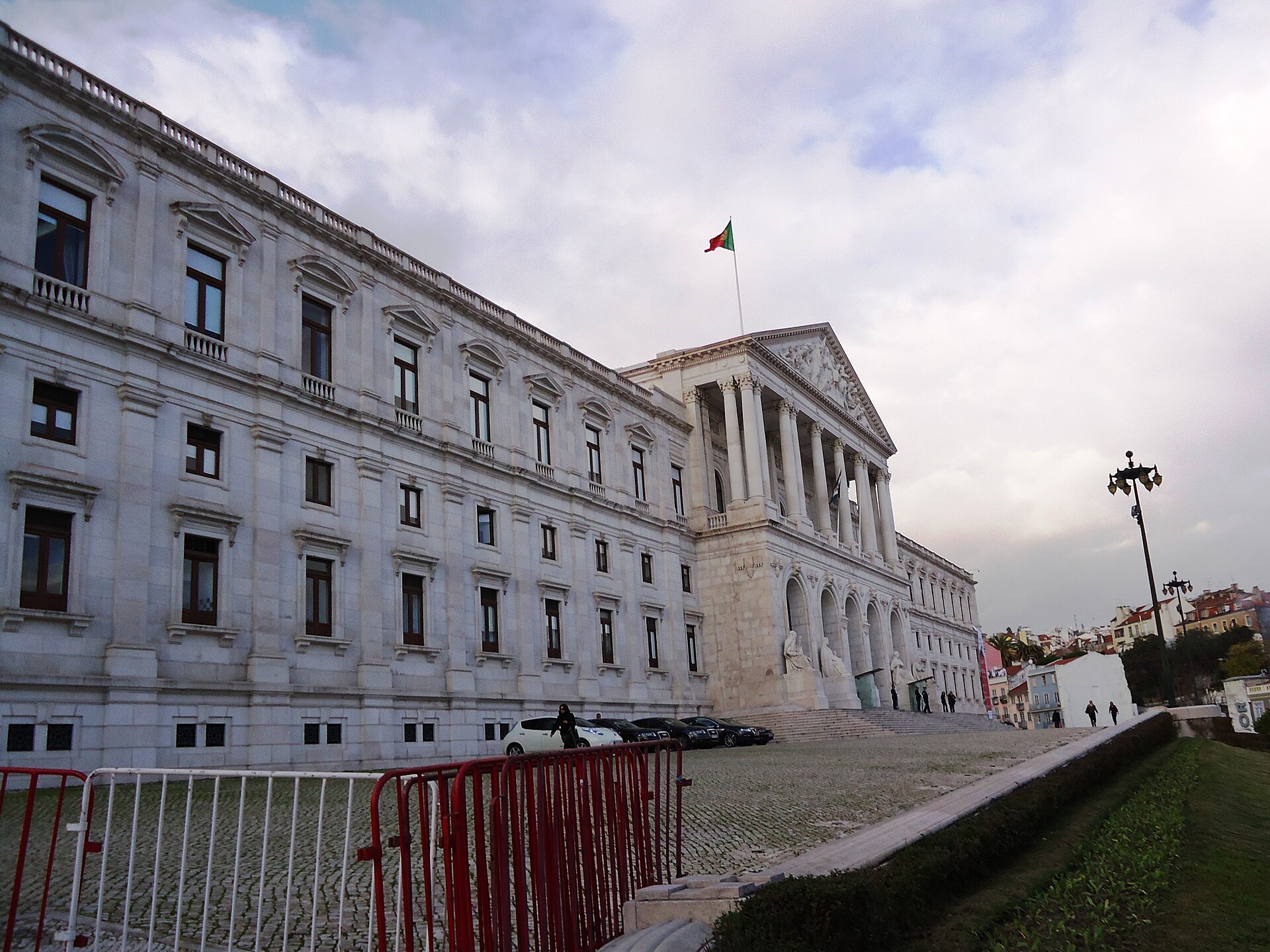
Palácio de São Bento
01 / Building stories
Work began in 1598 and the monastery was in use by 1615. After the religious orders were dissolved, it became the parliamentary seat in 1834 and crossed constitutional monarchy, republic, dictatorship and democracy.
1598–1615 — São Bento da Saúde Monastery is built and occupied.
1834 — The building receives the two parliamentary chambers.
After 1974 — Democratic Parliament continues to remake the institutional vessel.
Start with the steps and façade, observing the public image of a former monastery converted into parliament. It remains a working parliament, so check official visiting arrangements before entering. An exterior entrance does not imply unrestricted access.
Documentary source ↓02 / I Ching reflections
Ding represents transformation and institutional capacity. A monastery became Parliament and its rooms began to hold national deliberation.
Above · Li · Fire
Below · Xun · Wind / wood
Read the six lines from bottom to top ↑
Zhou Yi · Commentary on the Image · Chinese excerpt
木上有火,鼎。Fire is above wood: Ding. — Editorial translation of the excerpt
Original text and context ↗Wood and fire give transformation an image. Ding also suggests a supporting vessel: an old space can hold new activities when structure, use and care work together.
This excerpt gives the natural image that opens the Commentary on the Image. The full passage relates it to personal conduct or governance in its historical context. Follow the source to read it in full. Applying it to buildings today is Xiaoxiong’s editorial proposal, not a summary of every meaning of the ancient text.
Cloisters, refectory and workshops supported collective life.
The 1834 conversion redefined rooms, routes and authority.
Democracy matters because debate and decision can be scrutinised.
Take a question to the bench
What does Parliament truly hold: power, or procedures that make power answerable?
Go to the bench and note what I saw →A contemporary cultural interpretation by Xiaoxiong. The diagram and excerpt have a source; the building connection is editorial, not architectural intent, historical I Ching influence or the venue’s position.
03 / Nearby life
Find a table nearby · filters and directions →
Dining map records within three kilometres in a straight line of the reference point. Walls, railways and slopes may lengthen the journey. Check the entrance and whether the business is open.
The map may omit businesses. Records do not confirm trading status, menus or bookings. Records with an address are shown by default; you can include the others.
04 / The travellers’ Bench
What does Parliament truly hold: power, or procedures that make power answerable?
Reviewing team: Xiaoxiong Market · City Editorial Desk · Audit date: 2026-09-20 · Next review: 2027-09-20
Carlos Luis M C da Cruz · CC BY-SA 3.0 · Original photograph page ↗
Cropped preview; see the original photograph. The photograph does not confirm the venue’s present condition.
Sources consulted: 2026-09-20