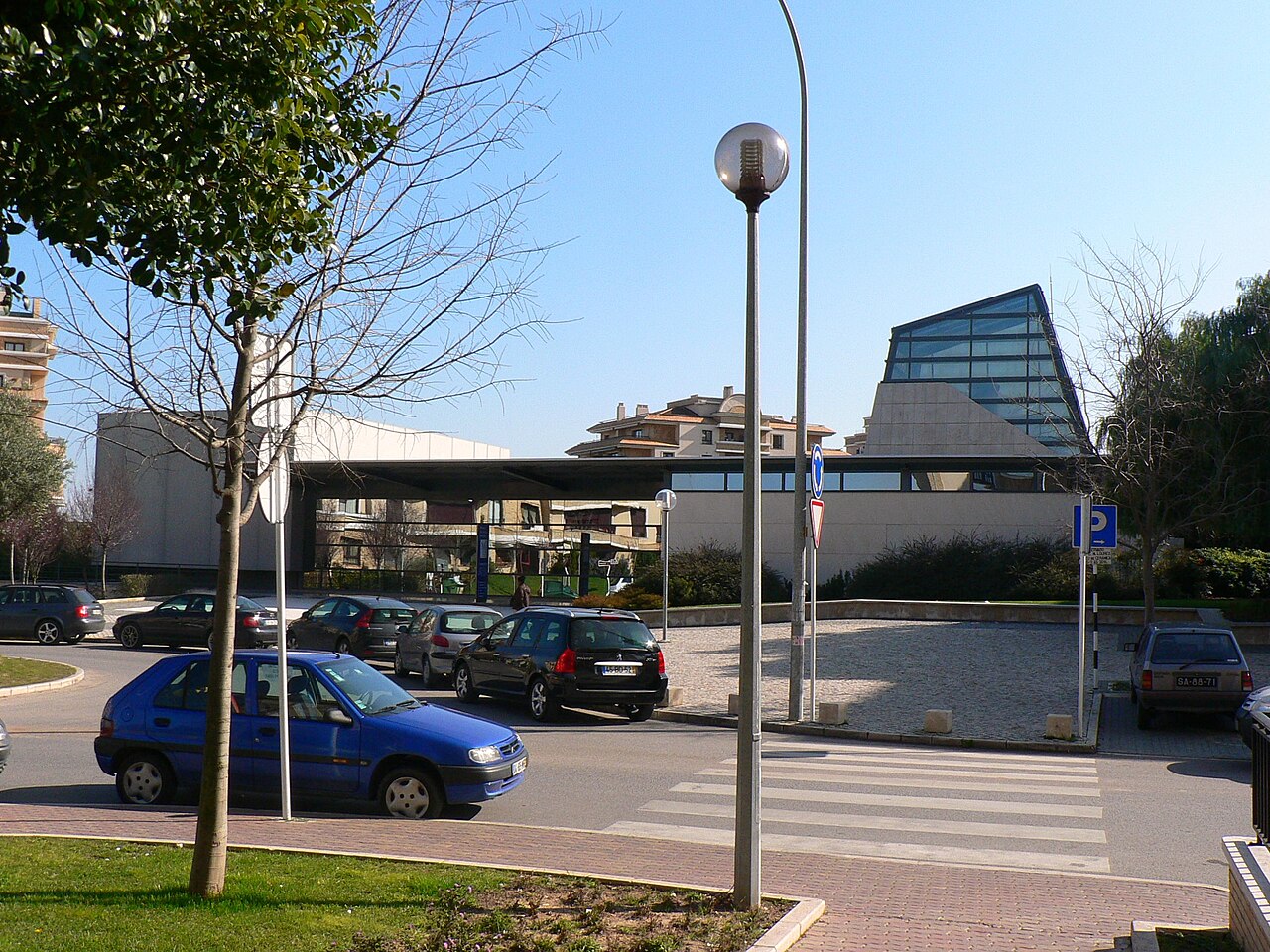
Cropped preview; see the original photograph. The photograph does not confirm the venue’s present condition.
01 / Building stories
Read a building, discover a way of living.
The ceramics factory shaped Sacavém’s work and life. Opened in 2000 on the former factory site, the museum centres on surviving kiln no. 18. Exhibition space around an industrial structure turns production facilities into interpreted local memory.
Ceramic objects involve materials, firing and collective labour. The museum also preserves factory archives and human experience. The municipality continues to list temporary closure. This page retains the story and location, but old photographs do not establish access today.
What to notice
Temporarily closed. Read sources about the factory and kiln online first; arrange an interior visit only after the museum confirms reopening.
Turning a factory into a museum changes the building’s task. Workers’ experience should remain audible, and renewal needs clear reasons and practical care.
Start with the architecture
Dated archive photographs allow study of the kiln and museum relationship but do not promise current access. During closure, factory and worker records maintain a connection. Compare that understanding with the structure after reopening.
Bring the question into everyday life
Change has conditions and costs. Buildings can be adapted, but people’s experience needs deliberate recording. In your own transitions, distinguish habits no longer useful from knowledge worth taking forward.
Try an observation here
Choose an everyday ceramic object and ask what you know about its materials, manufacture and repair.
Which memories should survive when a place changes purpose?
A contemporary cultural reading by Xiaoxiong inspired by the I Ching. The connection with the building is an editorial perspective, not the architect’s intention or a documented historical influence. It is not fortune-telling.
03 / Nearby life
A nearby table
Dining map records within three kilometres in a straight line of the reference point. Walls, railways and slopes may lengthen the journey. Check the entrance and whether the business is open.
The map may omit businesses. Records do not confirm trading status, menus or bookings. Records with an address are shown by default; you can include the others.
04 / The travellers’ Bench
Sit for a while. Leave an observation.
Which memories should survive when a place changes purpose?