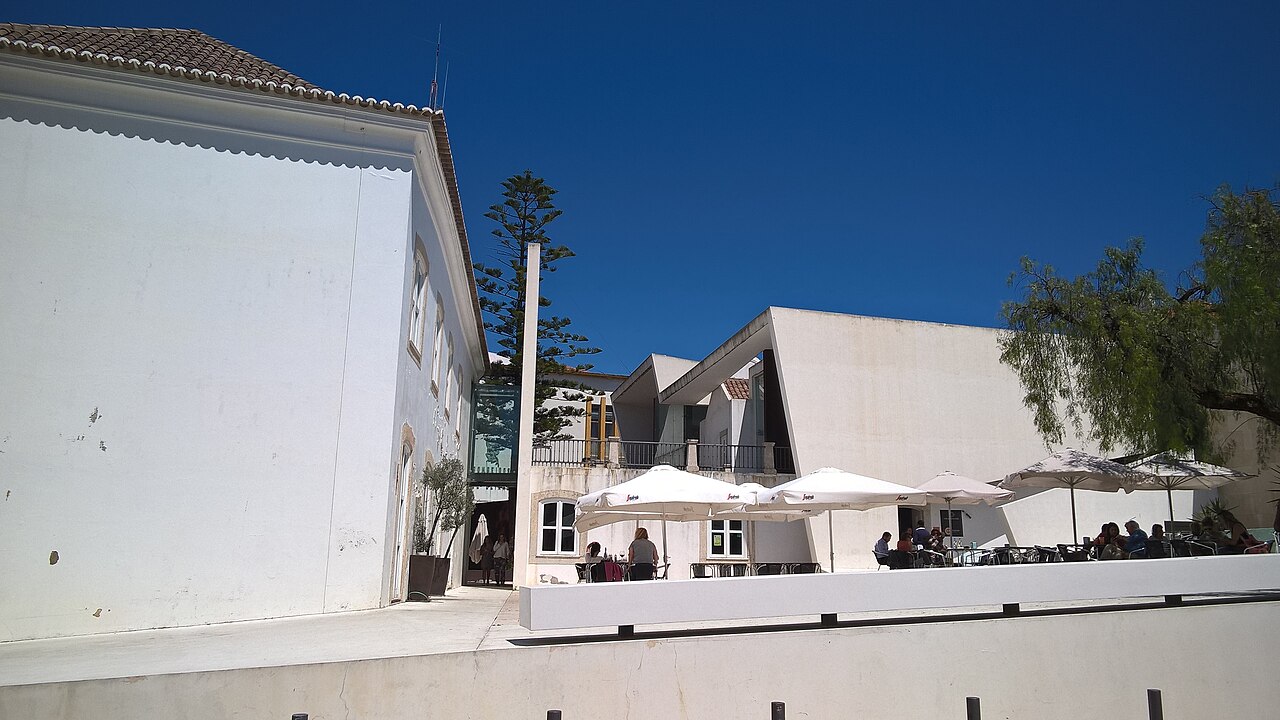
Cropped preview; see the original photograph. The photograph does not confirm the venue’s present condition.
01 / Building stories
Read a building, discover a way of living.
Municipal information identifies this former palace as a cultural venue, with exhibition records documenting public activity. People arrive for an exhibition and encounter their town again through the same doorway. The building's history continues through use.
What to notice
Look at the approach from the street and read the notices to discover what subjects occupy the building today.
Change gains meaning through relationships: who can enter, express themselves and return? The value of a transformation appears in these everyday encounters.
Start with the architecture
Before entering, check whether notices are readable and the doorway welcomes a first-time visitor. Cultural reuse also changes the relationship between palace and street.
Bring the question into everyday life
A new name or opening ceremony marks a beginning. Regular access, maintenance and participation sustain the new use. When changing something, consider who benefits and who needs to learn a different routine.
Try an observation here
Find one retained detail and one feature serving today's visitors.
Whose story would you feature in a small exhibition here?
A contemporary cultural reading by Xiaoxiong inspired by the I Ching. The connection with the building is an editorial perspective, not the architect’s intention or a documented historical influence. It is not fortune-telling.
03 / Nearby life
A nearby table
Dining map records within three kilometres in a straight line of the reference point. Walls, railways and slopes may lengthen the journey. Check the entrance and whether the business is open.
The map may omit businesses. Records do not confirm trading status, menus or bookings. Records with an address are shown by default; you can include the others.
04 / The travellers’ Bench
Sit for a while. Leave an observation.
Whose story would you feature in a small exhibition here?