The church was built between 1709 and 1739. Jorge Colaço’s façade tiles date from 1932, adding a later layer to the building.
If you have visited São Bento, compare the experience: how does looking change between a station and a church? Notice the steps and the surrounding Batalha streets too.
Another perspective · I Ching
Hexagram 22Bi · AdornmentMountain over fire
I CHING · XIAOXIONG EDITORIAL READING
Bi: a blue-and-white layer tells another time
A contemporary cultural interpretation by Xiaoxiong, inspired by the I Ching—not architectural intent, historical fact, divination or an interpretation endorsed by the venue or a religious institution.
Bi offers a perspective on form and content. Tiles are not merely a skin to ignore: they change what we notice.
Time: decoration and building differ in age
The different dates of church and 1932 tiles are facts described above. Our reading asks how a later layer participates in expression rather than treating everything as one design.
Comparison: one artist, different settings
São Bento invites comparison of images in religious and transport spaces. A shared artist implies neither identical themes nor I Ching influence.
Observe on site
From a safe pedestrian position, look at the whole façade and then one panel. Do not step into traffic for a photograph. Compare with station images without touching tiles or disturbing worshippers.
Does a later decorative layer hide the past or let you see another period within it?
02 / 12 · PORTO
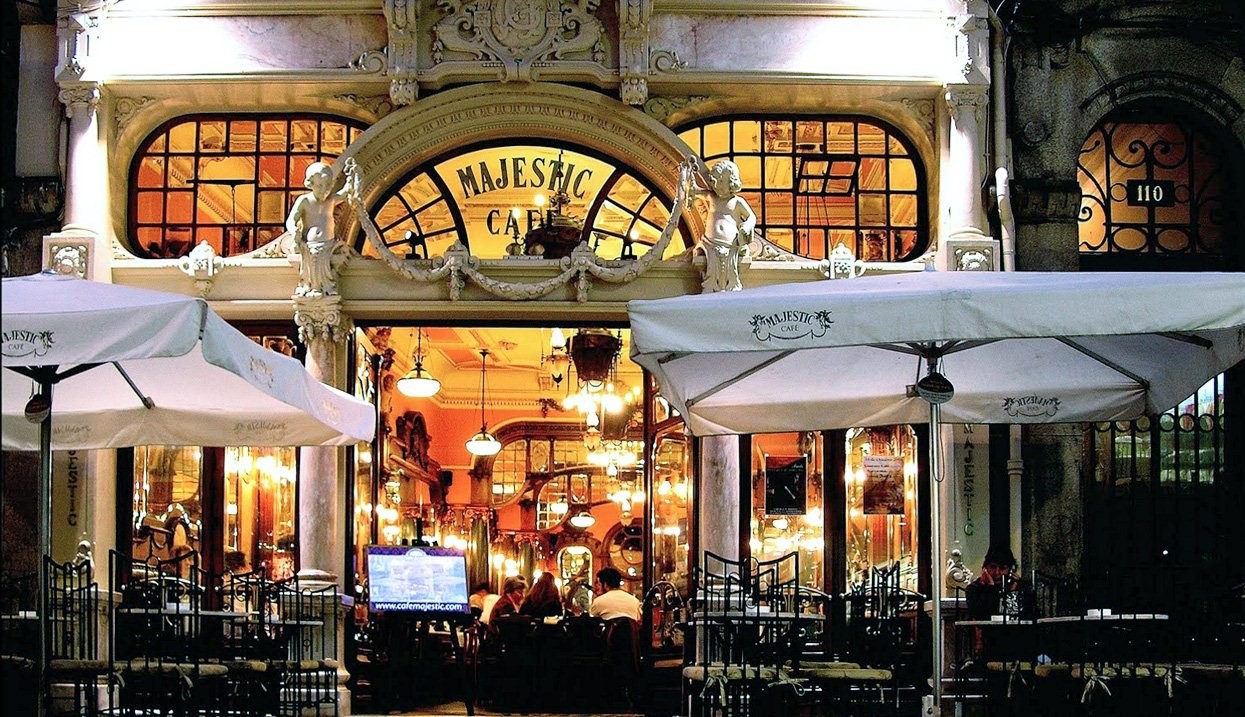
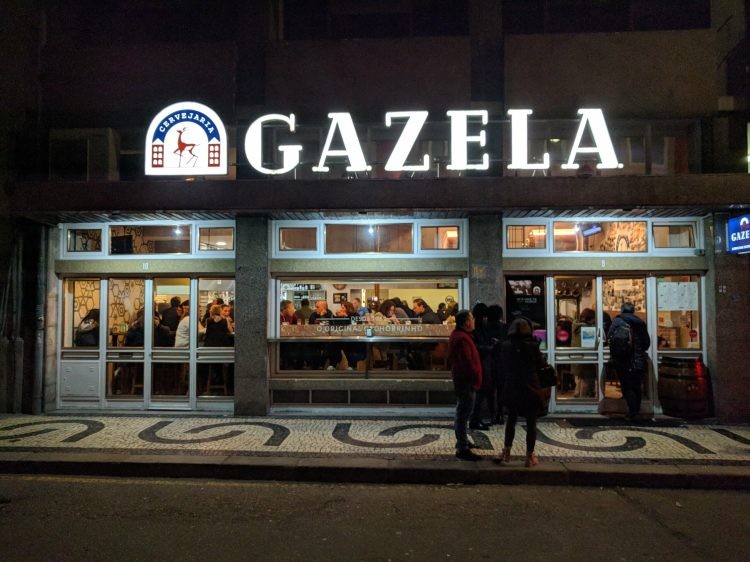
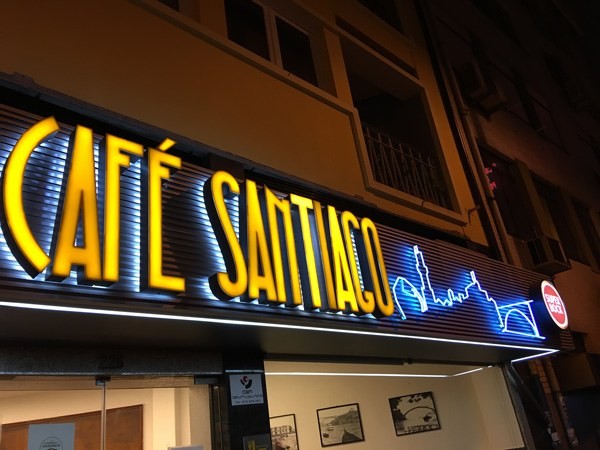
Twelve tables near this building.
Restaurants and cafés with official websites within three kilometres in a straight line. Distances start at this building.
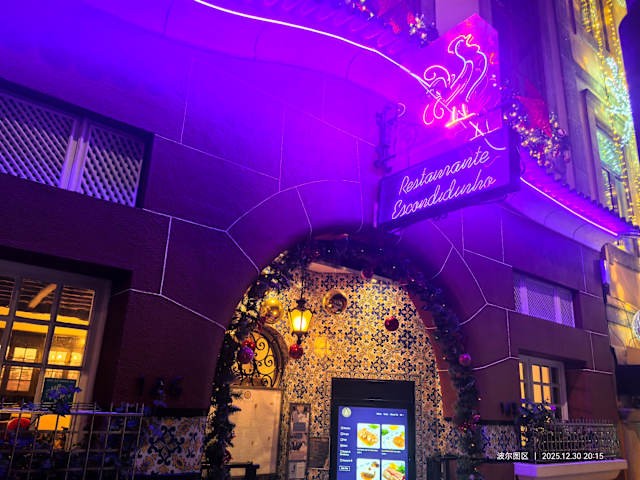
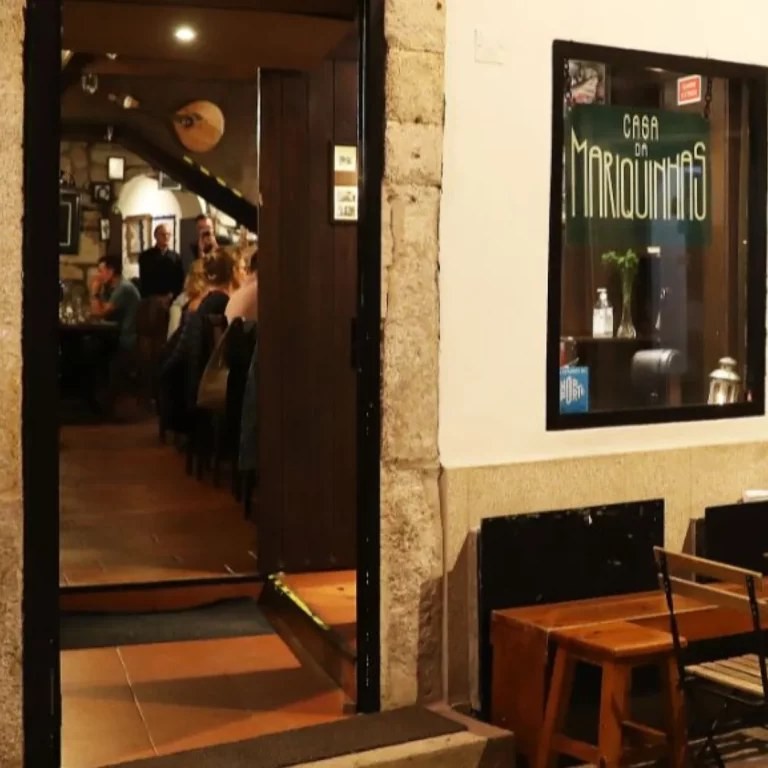
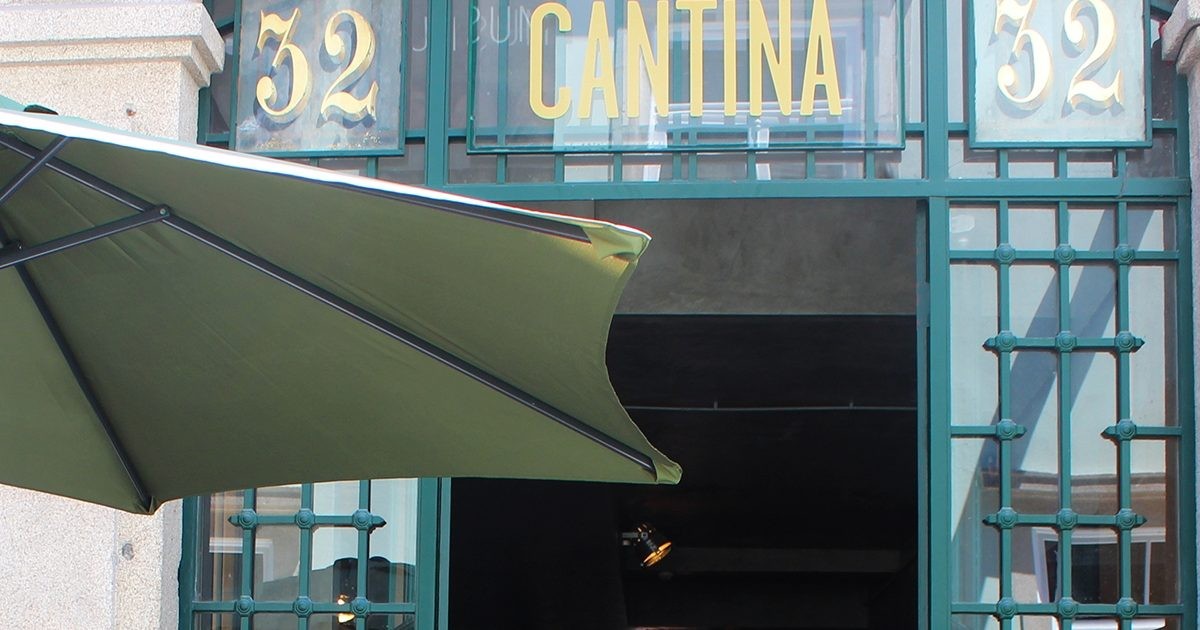
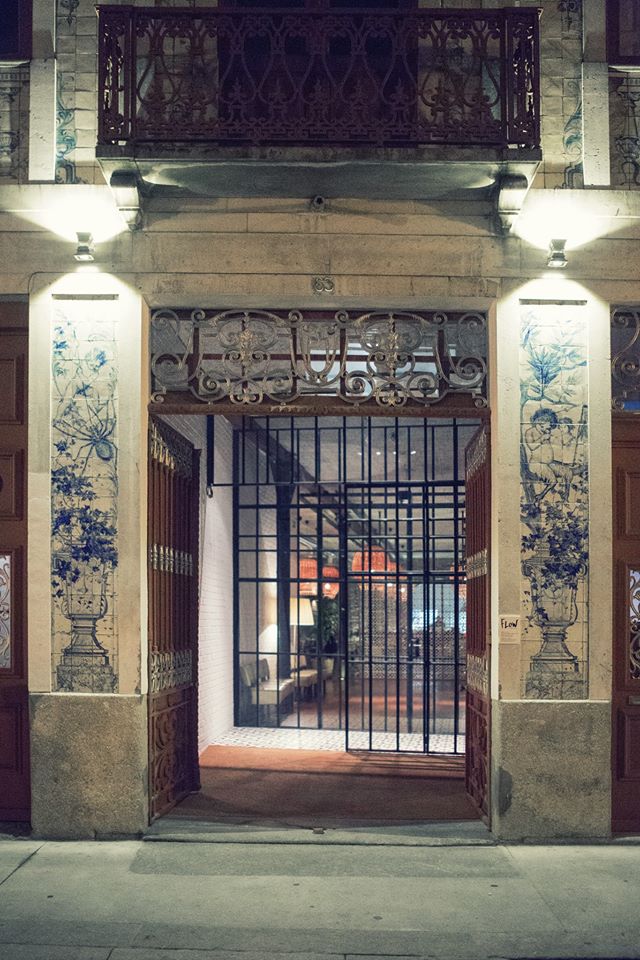
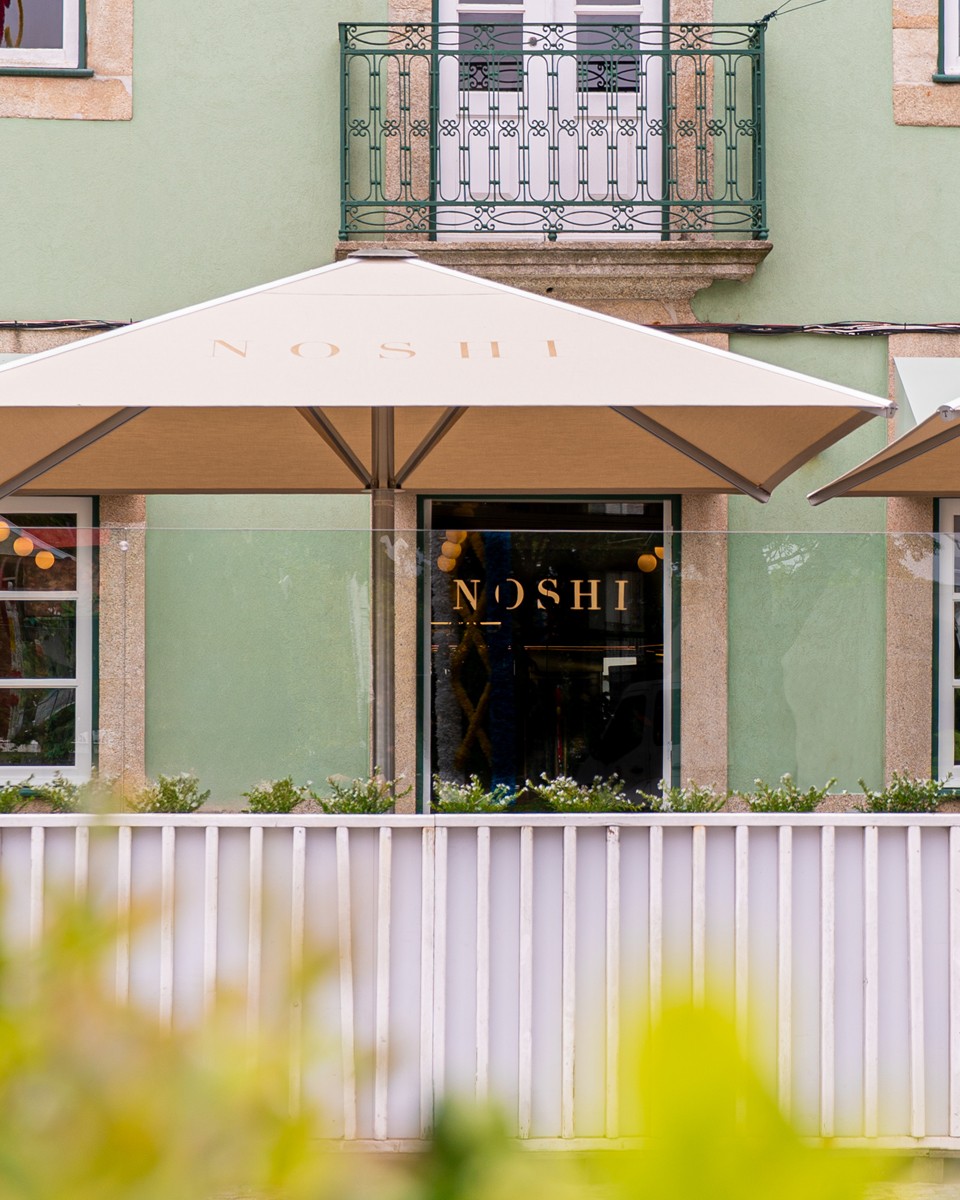
Recognise the entrance, choose a table.
01 / 12 · Restaurant
Escondidinho
Straight-line 0.08 km
Portuguese cooking on Rua de Passos Manuel; check the restaurant menu.