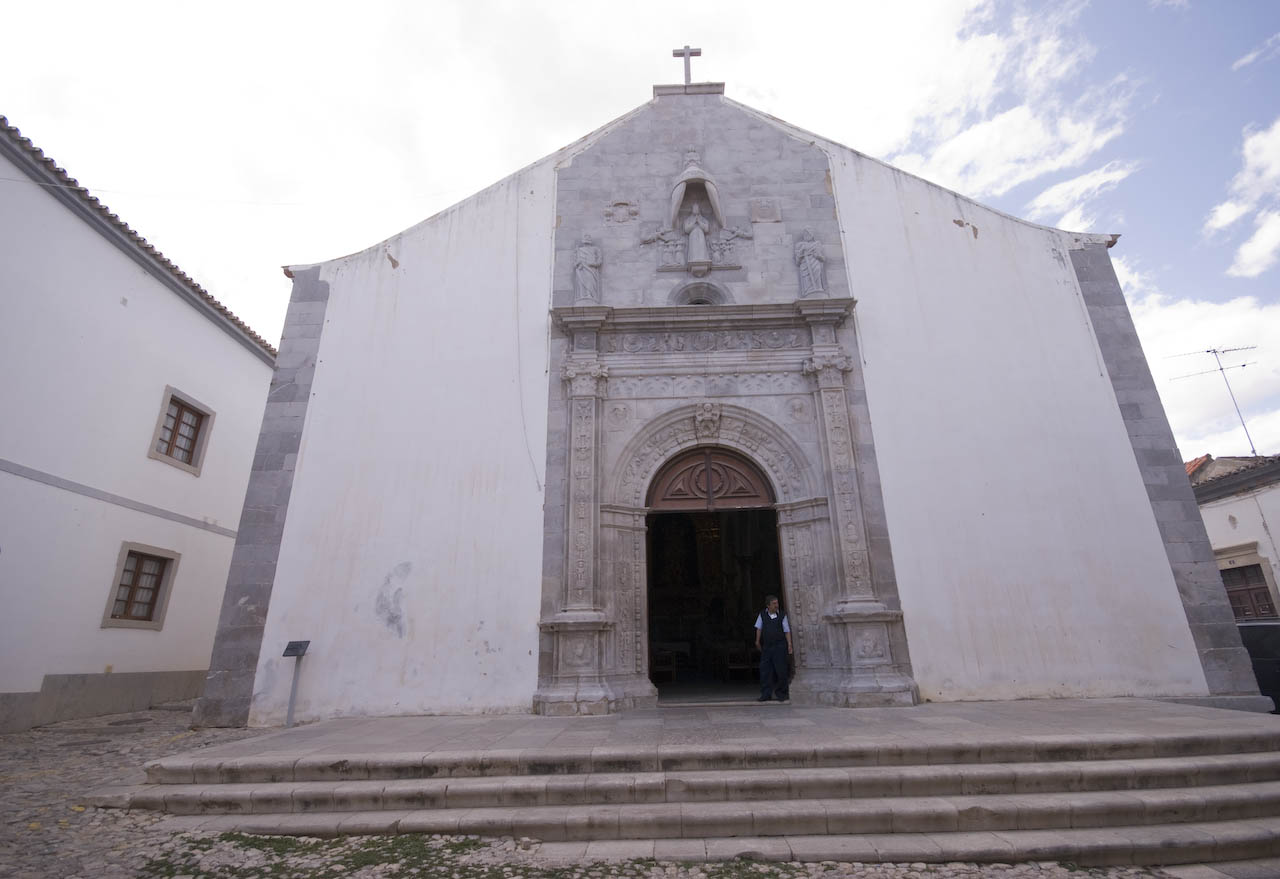
Cropped preview; see the original photograph. The photograph does not confirm the venue’s present condition.
01 / Building stories
Read a building, discover a way of living.
Renaissance architecture and later tiles bring different ways of telling stories together. Portal stonework and images ask for different viewing rhythms.
Read one outline, then one scene. The idea of care can also open a present question: who can enter, and who needs support?
What to notice
Confirm access, respect worship and do not touch tiles; follow photography rules.
Yi asks who benefits. Intention needs practical access, information and response. Help matters through what it offers and whether someone can actually receive it.
Start with the architecture
Yi carries care from image into action. After reading a scene, find one small gesture that could help someone.
Bring the question into everyday life
Think of a small arrangement that could spare someone difficulty. A clear instruction, room offered or patient listening may help more than deciding for them.
Try an observation here
Pause, record one observed detail and respond to the question below. Notes can hold doubts and different opinions; leave out other people’s private information.
How can a space make care concrete?
A contemporary cultural reading by Xiaoxiong inspired by the I Ching. The connection with the building is an editorial perspective, not the architect’s intention or a documented historical influence. It is not fortune-telling.
03 / Nearby life
A nearby table
Dining map records within three kilometres in a straight line of the reference point. Walls, railways and slopes may lengthen the journey. Check the entrance and whether the business is open.
This selection covers the current municipality. Near hills, rivers and municipal boundaries, plan transport using actual roads.
The map may omit businesses. Records do not confirm trading status, menus or bookings. Records with an address are shown by default; you can include the others.