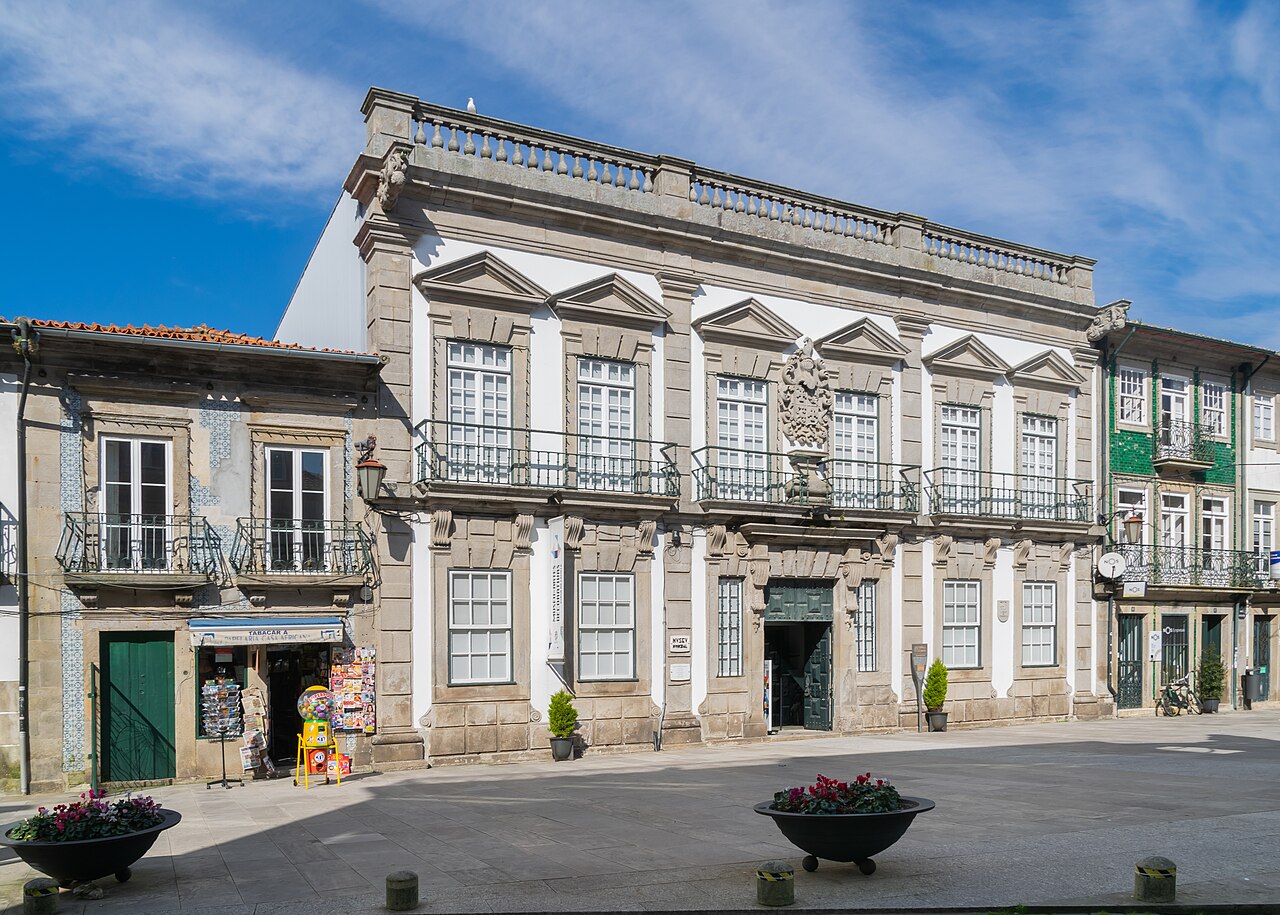
Cropped preview; see the original photograph. The photograph does not confirm the venue’s present condition.
01 / Building stories
Read a building, discover a way of living.
The museum occupies an eighteenth-century house and displays Portuguese earthenware and decorative arts. House and objects offer two scales for reading life.
Observe windows, doors and rooms, then the arrangement of objects. Entering a museum changes an object’s position; labels help recover context.
A vessel belongs both to craft and to habits of use. Relating it to space broadens the visit.
What to notice
View an object together with its room and read its dating and use.
Small Accumulation directs attention to small choices that shape life through repetition.
Start with the architecture
An object fits the hand; a room accommodates the body. Together these scales organise daily life.
Bring the question into everyday life
Change can begin with caring for an often-used object.
Try an observation here
Name one object you would like to keep using and maintaining.
What small act of care could you sustain over time?
A contemporary cultural reading by Xiaoxiong inspired by the I Ching. The connection with the building is an editorial perspective, not the architect’s intention or a documented historical influence. It is not fortune-telling.
03 / Nearby life
A nearby table
Dining map records within three kilometres in a straight line of the reference point. Walls, railways and slopes may lengthen the journey. Check the entrance and whether the business is open.
This selection covers the current municipality. Near hills, rivers and municipal boundaries, plan transport using actual roads.
The map may omit businesses. Records do not confirm trading status, menus or bookings. Records with an address are shown by default; you can include the others.
04 / The travellers’ Bench
Sit for a while. Leave an observation.
What small act of care could you sustain over time?