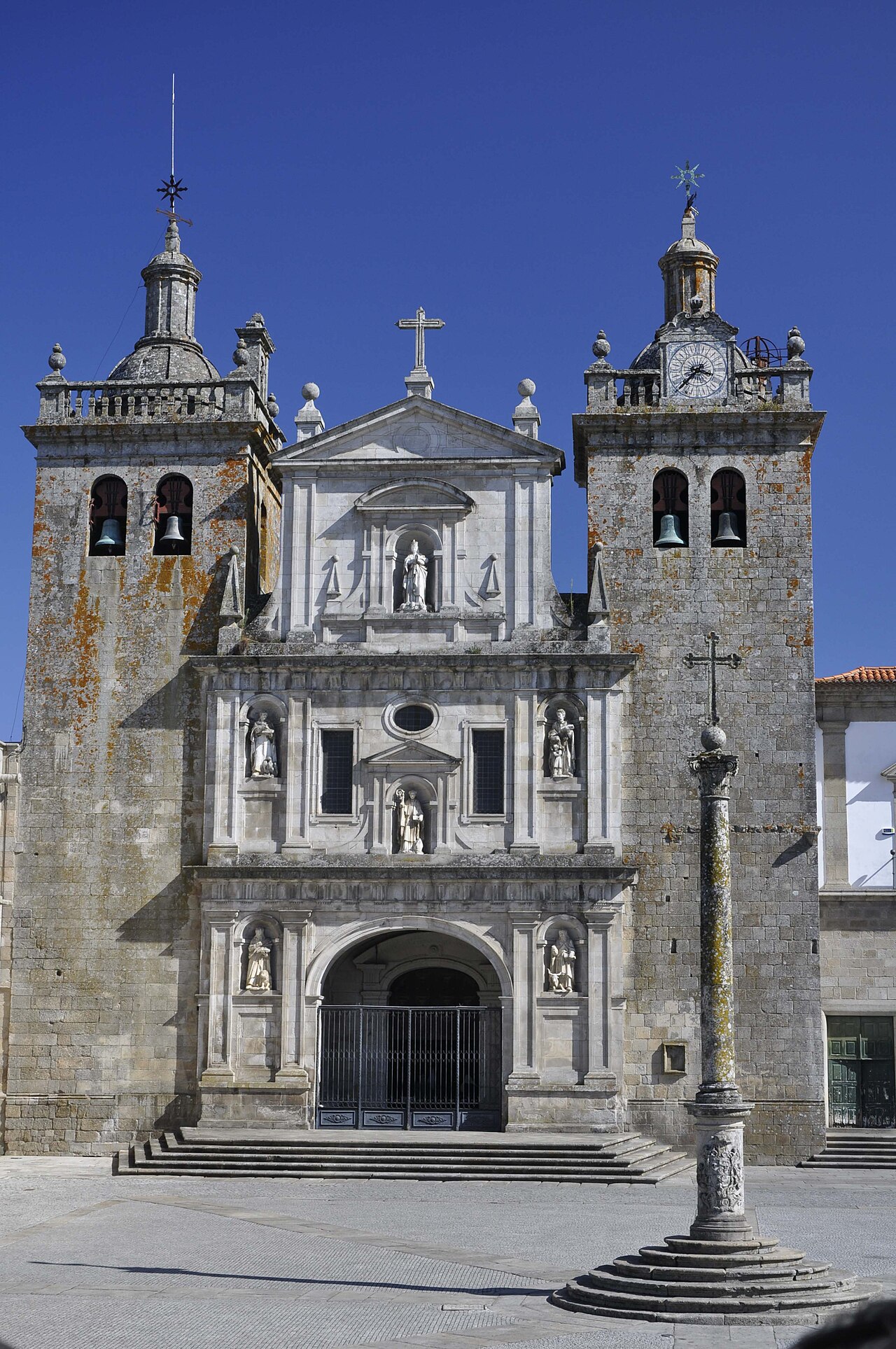
Guan invites observation before interpretation. Distinguish what you see, what a source tells you and what you imagine. They can inform one another without immediately becoming one answer.
Start with the architecture
Compare the square’s view with the portal; check treasury, cloister and worship access separately.
Bring the question into everyday life
In daily life, a little more observation can prevent misunderstanding. Choose a detail, describe its shape, material and position, then say what it suggests to you.
Try an observation here
Pause, record one observed detail and respond to the question below. Notes can hold doubts and different opinions; leave out other people’s private information.
Which detail can you establish first in a complex situation?
A contemporary cultural reading by Xiaoxiong inspired by the I Ching. The connection with the building is an editorial perspective, not the architect’s intention or a documented historical influence. It is not fortune-telling.
03 / Nearby life
A nearby table
Dining map records within three kilometres in a straight line of the reference point. Walls, railways and slopes may lengthen the journey. Check the entrance and whether the business is open.
This selection covers the current municipality. Near hills, rivers and municipal boundaries, plan transport using actual roads.
The map may omit businesses. Records do not confirm trading status, menus or bookings. Records with an address are shown by default; you can include the others.
04 / The travellers’ Bench
Sit for a while. Leave an observation.
Which detail can you establish first in a complex situation?