Clues in the space
Walls, marks and exhibits help recover connections between house and land. Distinguish surviving components from documentary explanation and let several periods coexist rather than assigning the whole one date.
Parte del contenido está en inglés.Leer el original en portugués →
AMA-004 / Falagueira
Parque Aventura, Beco do Poço, Falagueira–Venda Nova
01 / Historias de edificios
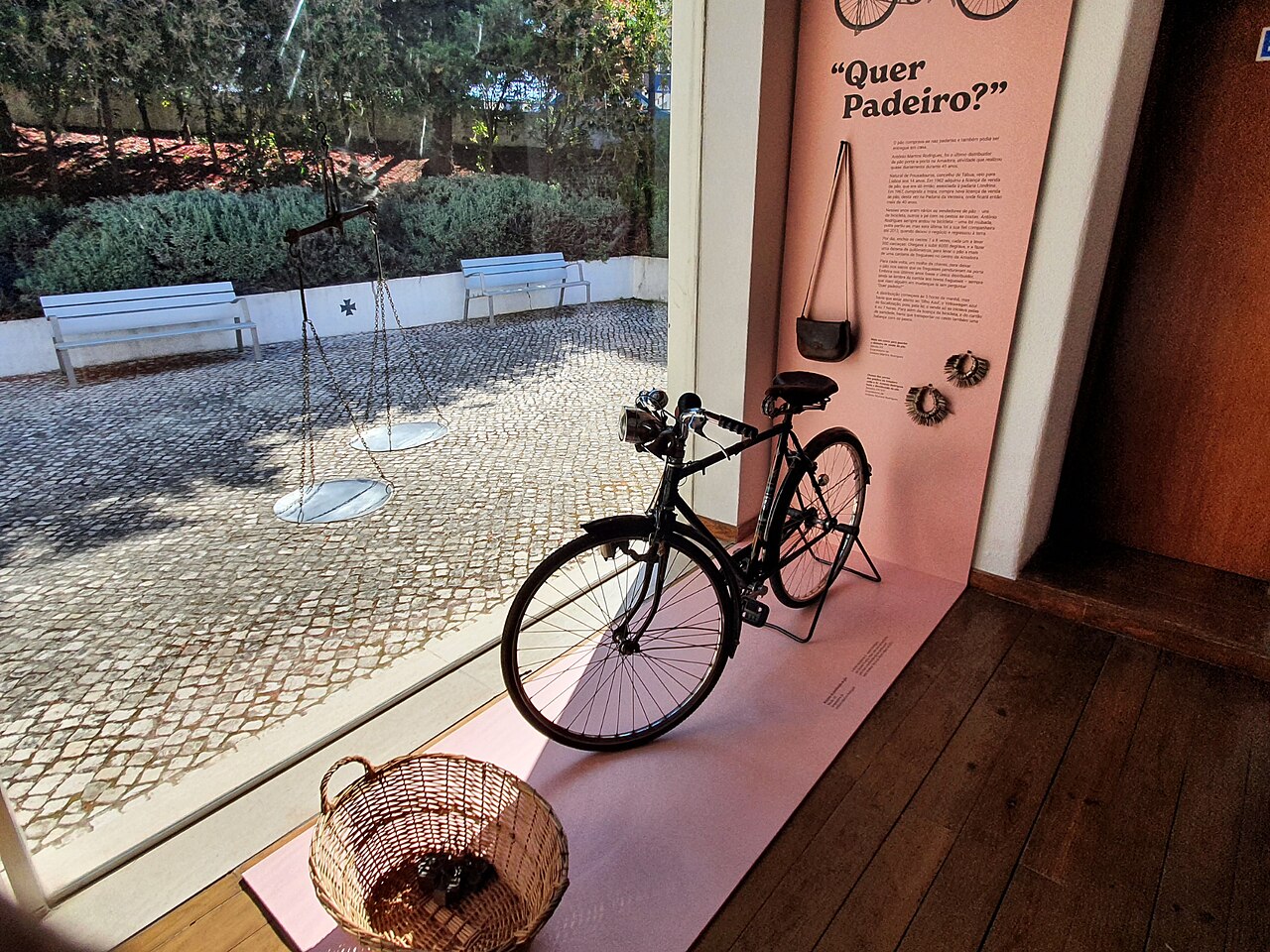
Casal da Falagueira retains a rural layer of Amadora. Municipal information describes a two-storey limestone farm building, with early parts associated with the sixteenth and seventeenth centuries and later extensions. Marks connected with the Order of Malta offer clues to land and ownership.
Today it is a core venue of the city museum. House, water and land show how production and daily life organised space. Within the present city, surviving relationships make the rural past approachable.
Use labels to identify walls, entrance marks and former uses. Sources differ on early documentary dates; a documentary reference is not automatically the construction date of the surviving house.
Fuente ↓02 / I Ching reflections
Preserving a farm requires care for the building and continuing explanation of work and life relationships that have become unfamiliar.
Above · Zhen · Thunder
Below · Xun · Wind / wood
Read the six lines from bottom to top ↑
Zhou Yi · Commentary on the Image · Chinese excerpt
雷风,恒。Thunder and wind: Heng. — Editorial translation of the excerpt
Original text and context ↗Continuity needs direction and adaptation. Heng does not make every day identical. Maintenance, repeated use and small adjustments help reveal what deserves to continue and what needs to change.
This excerpt gives the natural image that opens the Commentary on the Image. The full passage relates it to personal conduct or governance in its historical context. Follow the source to read it in full. Applying it to buildings today is Xiaoxiong’s editorial proposal, not a summary of every meaning of the ancient text.
Walls, marks and exhibits help recover connections between house and land. Distinguish surviving components from documentary explanation and let several periods coexist rather than assigning the whole one date.
Use labels to identify walls, entrance marks and former uses. Sources differ on early documentary dates; a documentary reference is not automatically the construction date of the surviving house.
Asking, recording and organising are small repeated tasks that keep memory accessible. Ask someone about a tool or familiar recipe, recording their own words and what you still do not understand.
Take a question to the bench
Which family experience deserves to be passed to the next generation?
Go to the bench and note what I saw →A contemporary cultural interpretation by Xiaoxiong. The diagram and excerpt have a source; the building connection is editorial, not architectural intent, historical I Ching influence or the venue’s position.
03 / Vida del barrio
Abrir mesas cercanas · filtros y cómo llegar →
Locales a tres kilómetros en línea recta del edificio. Muros, vías y pendientes pueden alargar el recorrido; comprueba la entrada y si el local está abierto.
Comprobando la red Banco y las reclamaciones…
El directorio puede tener omisiones. Los registros no confirman apertura, carta ni reservas. Se muestran primero las direcciones completas.
04 / El Banco
Which family experience deserves to be passed to the next generation?
GualdimG · CC BY-SA 4.0 · Ver la fotografía original ↗
La presentación puede recortar la imagen. Consulta el original. La foto no representa el estado actual del lugar.
Consultado: 2026-10-20