Dwelling and belonging
The exile lived here makes that distinction tangible. The hexagram does not explain the king’s fate; it prompts a question about shelter in unfamiliar circumstances.
Parte del contenido está en inglés.Leer el original en portugués →
OPO-013 / Ribera de Massarelos
Museu Romântico · Quinta da Macieirinha
Rua de Entre Quintas 220, Porto
01 / Historias de edificios
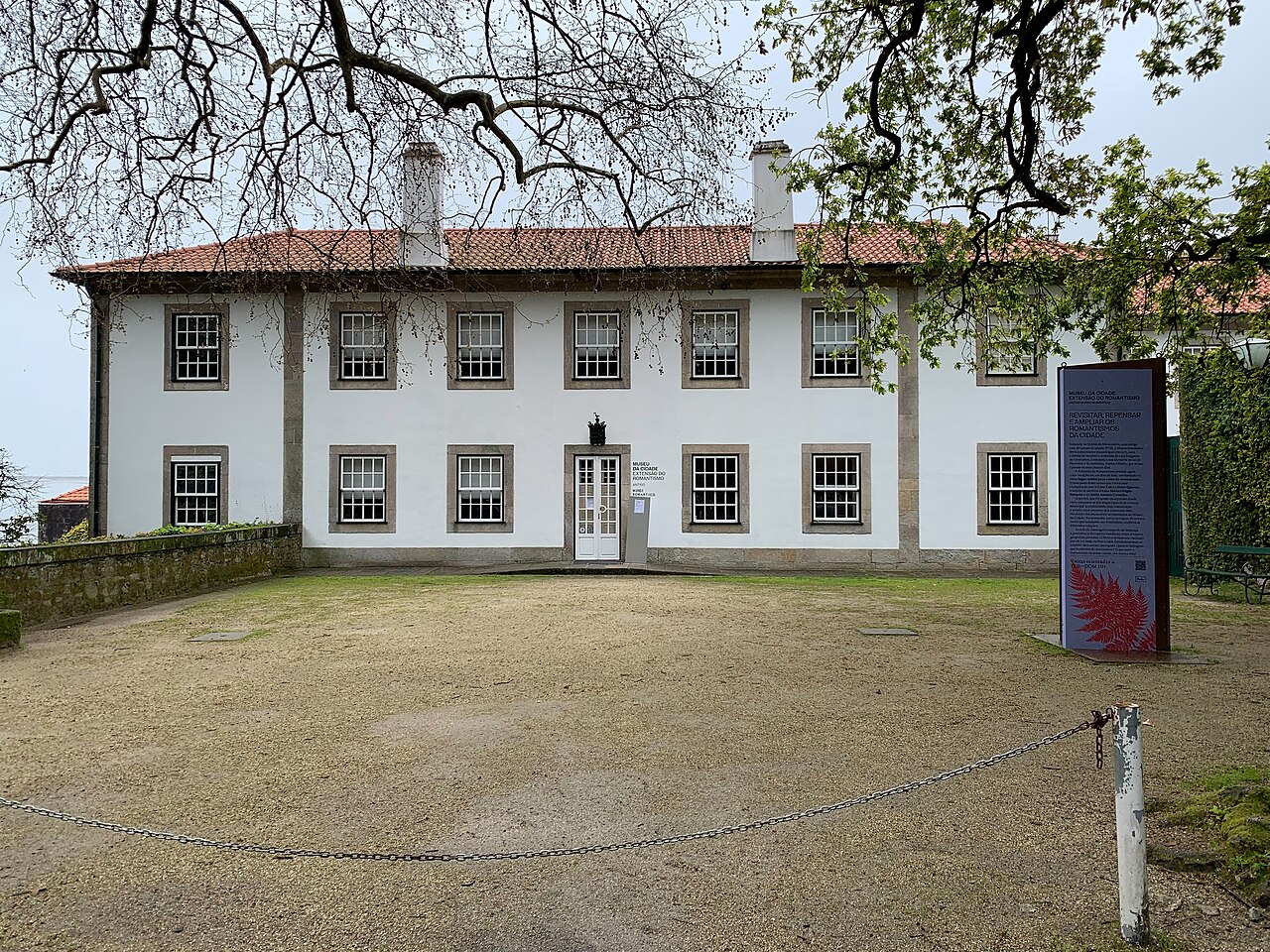
The Romantic Museum occupies Quinta da Macieirinha, an 18th-century country house formerly owned by the Pinto Basto family, according to Museu do Porto. In 1849, Charles Albert of Sardinia spent the final part of his exile and life here.
The residence later became a museum. Rooms, garden and valley reveal different timescales: one visitor’s brief stay and the building’s changing uses afterwards.
Notice the space between house and garden, then look towards the valley from accessible areas. Consider the difference between living in a landscape and displaying it.
Fuente ↓02 / I Ching reflections
Lü separates dwelling from belonging: a house remains while the circumstances of its occupants change.
Above · Li · Fire
Below · Gen · Mountain
Read the six lines from bottom to top ↑
Zhou Yi · Commentary on the Image · Chinese excerpt
山上有火,旅。Fire is upon the mountain: Lü. — Editorial translation of the excerpt
Original text and context ↗A brief stay meets the continuity of local life. Lü brings care to looking: understand conditions of entry, leave room for work and recognise that one visit cannot represent a whole way of life.
This excerpt gives the natural image that opens the Commentary on the Image. The full passage relates it to personal conduct or governance in its historical context. Follow the source to read it in full. Applying it to buildings today is Xiaoxiong’s editorial proposal, not a summary of every meaning of the ancient text.
The exile lived here makes that distinction tangible. The hexagram does not explain the king’s fate; it prompts a question about shelter in unfamiliar circumstances.
A museum’s famous resident can dominate its story. Those who kept the house habitable also deserve attention.
Take a question to the bench
What makes a temporary home feel welcoming?
Go to the bench and note what I saw →A contemporary cultural interpretation by Xiaoxiong. The diagram and excerpt have a source; the building connection is editorial, not architectural intent, historical I Ching influence or the venue’s position.
03 / Vida del barrio
Abrir mesas cercanas · filtros y cómo llegar →
Locales a tres kilómetros en línea recta del edificio. Muros, vías y pendientes pueden alargar el recorrido; comprueba la entrada y si el local está abierto.
Comprobando la red Banco y las reclamaciones…
El directorio puede tener omisiones. Los registros no confirman apertura, carta ni reservas. Se muestran primero las direcciones completas.
04 / El Banco
What makes a temporary home feel welcoming?
Building reference point: 41.147621, -8.628473. Punto de referencia para buscar lugares cercanos; no confirma la entrada pública.
Robot8A · CC BY-SA 4.0 · Ver la fotografía original ↗
La presentación puede recortar la imagen. Consulta el original. La foto no representa el estado actual del lugar.
Consultado: 2026-09-23