Observe on site
Start with the older north-facing wing overlooking the Tagus, then explore the rooms and gardens. Notice how doorways frame views, and distinguish the former chapel’s tiles from contemporary exhibits.
Parte del contenido está en inglés.Leer el original en portugués →
SET-001 / Almada
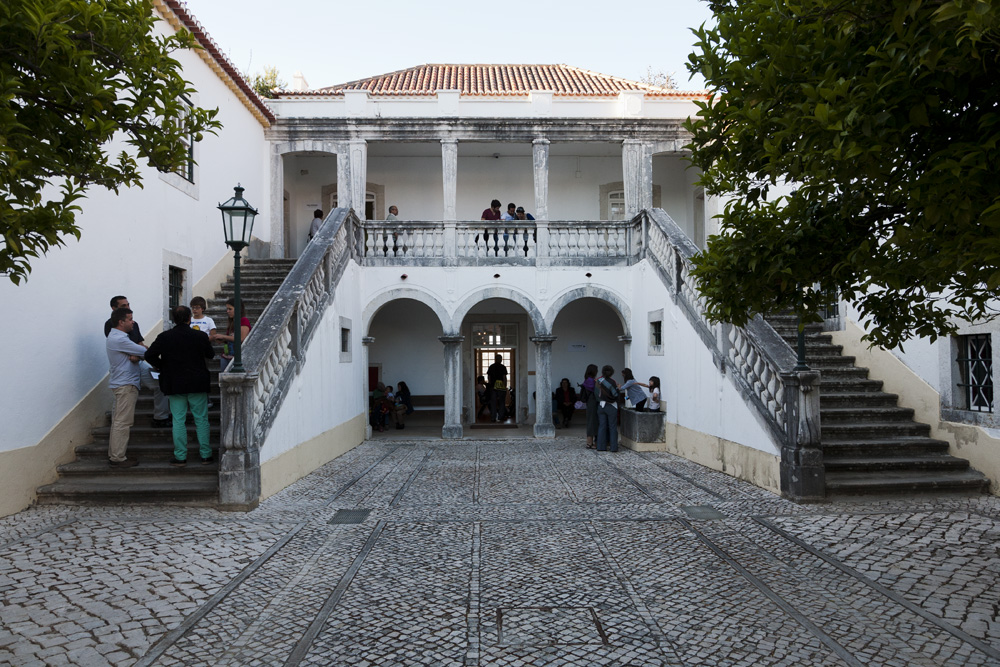
01 / Historias de edificios
Casa da Cerca dates mainly from the late seventeenth and early eighteenth centuries, with additions from different periods. Restored in 1992–1993, it became a contemporary art centre with a particular focus on drawing, opening a former residence and its gardens to the public.
Start with the older north-facing wing overlooking the Tagus, then explore the rooms and gardens. Notice how doorways frame views, and distinguish the former chapel’s tiles from contemporary exhibits.
Fuente ↓02 / I Ching reflections
Ding, transformation, asks what a building can now sustain. Preserving its structure and hosting exhibitions matter, but a genuinely shared place also needs to welcome people. An open door changes little if visitors still feel that the house belongs to someone else.
Above · Li · Fire
Below · Xun · Wind / wood
Read the six lines from bottom to top ↑
Zhou Yi · Commentary on the Image · Chinese excerpt
木上有火,鼎。Fire is above wood: Ding. — Editorial translation of the excerpt
Original text and context ↗Wood and fire give transformation an image. Ding also suggests a supporting vessel: an old space can hold new activities when structure, use and care work together.
This excerpt gives the natural image that opens the Commentary on the Image. The full passage relates it to personal conduct or governance in its historical context. Follow the source to read it in full. Applying it to buildings today is Xiaoxiong’s editorial proposal, not a summary of every meaning of the ancient text.
Start with the older north-facing wing overlooking the Tagus, then explore the rooms and gardens. Notice how doorways frame views, and distinguish the former chapel’s tiles from contemporary exhibits.
Think of a public space you know: can a newcomer find their place? Welcome can begin with clear information and somewhere to pause.
Take a question to the bench
What makes a former private house truly public?
Go to the bench and note what I saw →A contemporary cultural interpretation by Xiaoxiong. The diagram and excerpt have a source; the building connection is editorial, not architectural intent, historical I Ching influence or the venue’s position.
03 / Vida del barrio
Abrir mesas cercanas · filtros y cómo llegar →
Locales a tres kilómetros en línea recta del edificio. Muros, vías y pendientes pueden alargar el recorrido; comprueba la entrada y si el local está abierto.
Comprobando la red Banco y las reclamaciones…
El directorio puede tener omisiones. Los registros no confirman apertura, carta ni reservas. Se muestran primero las direcciones completas.
04 / El Banco
What makes a former private house truly public?
Building reference point: 38.684015, -9.159083. Punto de referencia para buscar lugares cercanos; no confirma la entrada pública.
Manuelvbotelho · CC BY-SA 3.0 · Ver la fotografía original ↗
La presentación puede recortar la imagen. Consulta el original. La foto no representa el estado actual del lugar.
Consultado: 2026-10-04