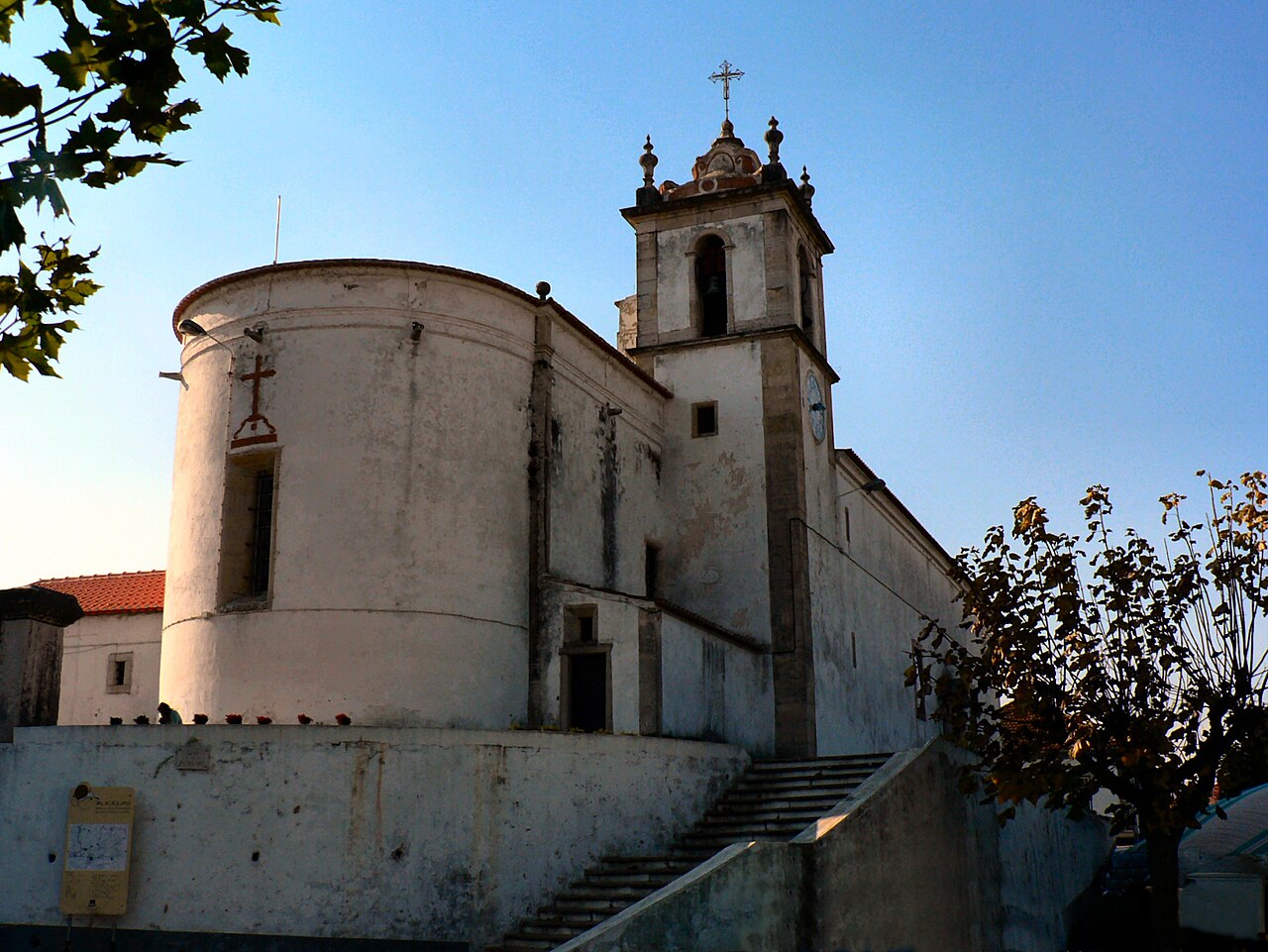
Cropped preview; see the original photograph. The photograph does not confirm the venue’s present condition.
01 / Building stories
Read a building, discover a way of living.
The date 1566 inscribed at the entrance is a precise clue. Municipal information identifies Gothic, Renaissance and Mannerist features. Chequered tiles, decorated vaults and later altars form today’s layers.
A village church belongs to more than its construction year. Materials are repaired, patterns added and people continue to return. Start with one small question: how do stone, tiles and carving change the light? Worship continues, so sightseeing must follow parish arrangements.
What to notice
Begin with the entrance inscription and outer walls; compare tiles and vaults if entry is allowed. Service times are not sightseeing hours.
Patterns and materials make care visible. Ask what decoration helps express and understand, rather than treating it only as a background.
Start with the architecture
Stone, tile and wood act through outline, pattern and shadow. Compare one material with its neighbour. If the church is closed, start with the inscription and leave other details for documentary study or another visit.
Bring the question into everyday life
A handwritten note or carefully prepared meal makes care visible. Form matters when it helps communicate a need or intention. Choose one small gesture and make that relationship clearer.
Try an observation here
Describe one ornament’s material, colour and position before considering its effect on your gaze.
Which everyday form could better express what you truly value?
A contemporary cultural reading by Xiaoxiong inspired by the I Ching. The connection with the building is an editorial perspective, not the architect’s intention or a documented historical influence. It is not fortune-telling.
03 / Nearby life
A nearby table
Dining map records within three kilometres in a straight line of the reference point. Walls, railways and slopes may lengthen the journey. Check the entrance and whether the business is open.
The map may omit businesses. Records do not confirm trading status, menus or bookings. Records with an address are shown by default; you can include the others.
04 / The travellers’ Bench
Sit for a while. Leave an observation.
Which everyday form could better express what you truly value?