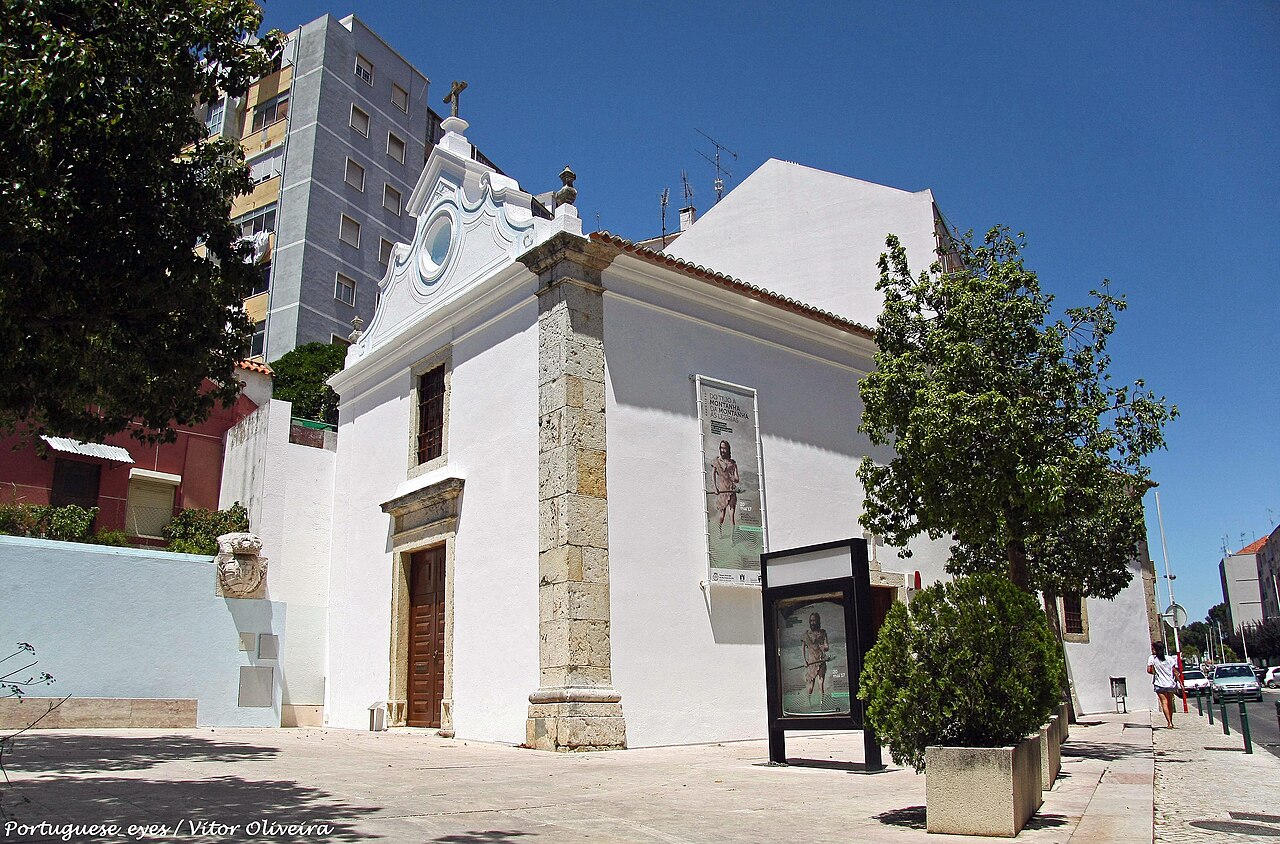
Cropped preview; see the original photograph. The photograph does not confirm the venue’s present condition.
01 / Building stories
Read a building, discover a way of living.
Founded in 1576 after the epidemic of 1569, the church is dedicated to Saint Sebastian. In 2001 it became a municipal museum venue for religious art, connecting faith, memories of illness and local life.
Begin with the façade’s scale. When entry is permitted, notice how the vault and altar direct your gaze. Before looking for symbols, see how they organise space.
A change of use does not erase the experiences held by a building. Visit attentively and respectfully.
What to notice
Observe the relationship between vault and altar without crossing barriers.
Fu suggests a beginning that retains memory. After difficulty, everyday life may need a new arrangement.
The building offers continuity alongside a change of use. Which experiences deserve remembrance, and which habits could be renewed?
Start with the architecture
Compare street sounds with interior quiet and locate the transition.
Bring the question into everyday life
Choose a small, repeatable action for a new beginning.
Try an observation here
Observe quietly for one minute where stopping is permitted.
What memory would you carry forward?
A contemporary cultural reading by Xiaoxiong inspired by the I Ching. The connection with the building is an editorial perspective, not the architect’s intention or a documented historical influence. It is not fortune-telling.
03 / Nearby life
A nearby table
Dining map records within three kilometres in a straight line of the reference point. Walls, railways and slopes may lengthen the journey. Check the entrance and whether the business is open.
The map may omit businesses. Records do not confirm trading status, menus or bookings. Records with an address are shown by default; you can include the others.