Watching is participation
Audience attention gives expression a chance to be understood.
Parte del contenido está en inglés.Leer el original en portugués →
CAS-020 / Bay & old town
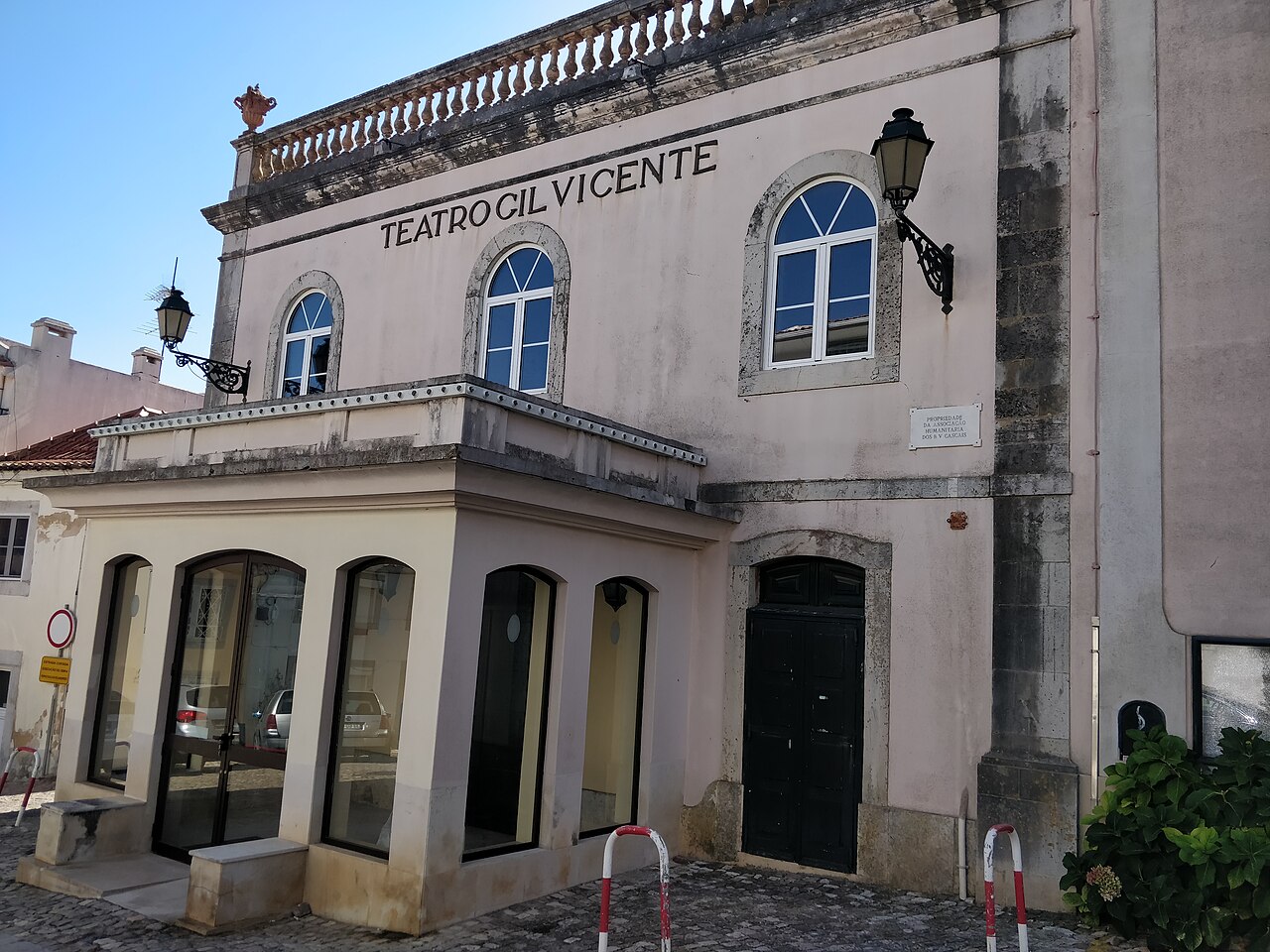
Teatro Gil Vicente
Rua Gomes Freire 5, 2750-642 Cascais
01 / Historias de edificios
Opened in 1869 through Manuel Rodrigues de Lima’s initiative, the theatre has an Italian-style stage and a nineteenth-century facade. The municipal route records both professional productions and amateur performances: generations of performers and audiences give the hall life.
Observe the doors and facade’s scale. If attending a performance, notice how your distance from the stage changes listening.
Fuente ↓02 / I Ching reflections
Expression on stage calls for attentive listening.
Above · Dui · Lake
Below · Dui · Lake
Read the six lines from bottom to top ↑
Zhou Yi · Commentary on the Image · Chinese excerpt
丽泽,兑。Joined lakes: Dui. — Editorial translation of the excerpt
Original text and context ↗Two lakes join and nourish each other. Dui concerns exchange and joy: going back and forth enriches both sides. Notice how a place invites people to talk and to exchange.
This excerpt gives the natural image that opens the Commentary on the Image. The full passage relates it to personal conduct or governance in its historical context. Follow the source to read it in full. Applying it to buildings today is Xiaoxiong’s editorial proposal, not a summary of every meaning of the ancient text.
Audience attention gives expression a chance to be understood.
Professional and amateur histories show that culture does not belong only to famous names.
Conversation continues in streets and daily life, extending the theatre’s presence.
Take a question to the bench
After the audience leaves, how does a theatre continue to belong to its town?
Go to the bench and note what I saw →A contemporary cultural interpretation by Xiaoxiong. The diagram and excerpt have a source; the building connection is editorial, not architectural intent, historical I Ching influence or the venue’s position.
03 / Vida del barrio
Abrir mesas cercanas · filtros y cómo llegar →
Locales a tres kilómetros en línea recta del edificio. Muros, vías y pendientes pueden alargar el recorrido; comprueba la entrada y si el local está abierto.
Comprobando la red Banco y las reclamaciones…
El directorio puede tener omisiones. Los registros no confirman apertura, carta ni reservas. Se muestran primero las direcciones completas.
04 / El Banco
After the audience leaves, how does a theatre continue to belong to its town?
Building reference point: 38.696363, -9.421594. Punto de referencia para buscar lugares cercanos; no confirma la entrada pública.
Roundtheworld · CC BY-SA 4.0 · Ver la fotografía original ↗
La presentación puede recortar la imagen. Consulta el original. La foto no representa el estado actual del lugar.
Consultado: