Observe on site
Look separately at the portal, façade and interior decoration before bringing them together. Resist assigning the entire building to a single era.
Parte del contenido está en inglés.Leer el original en portugués →
SET-009 / Setúbal
01 / Historias de edificios
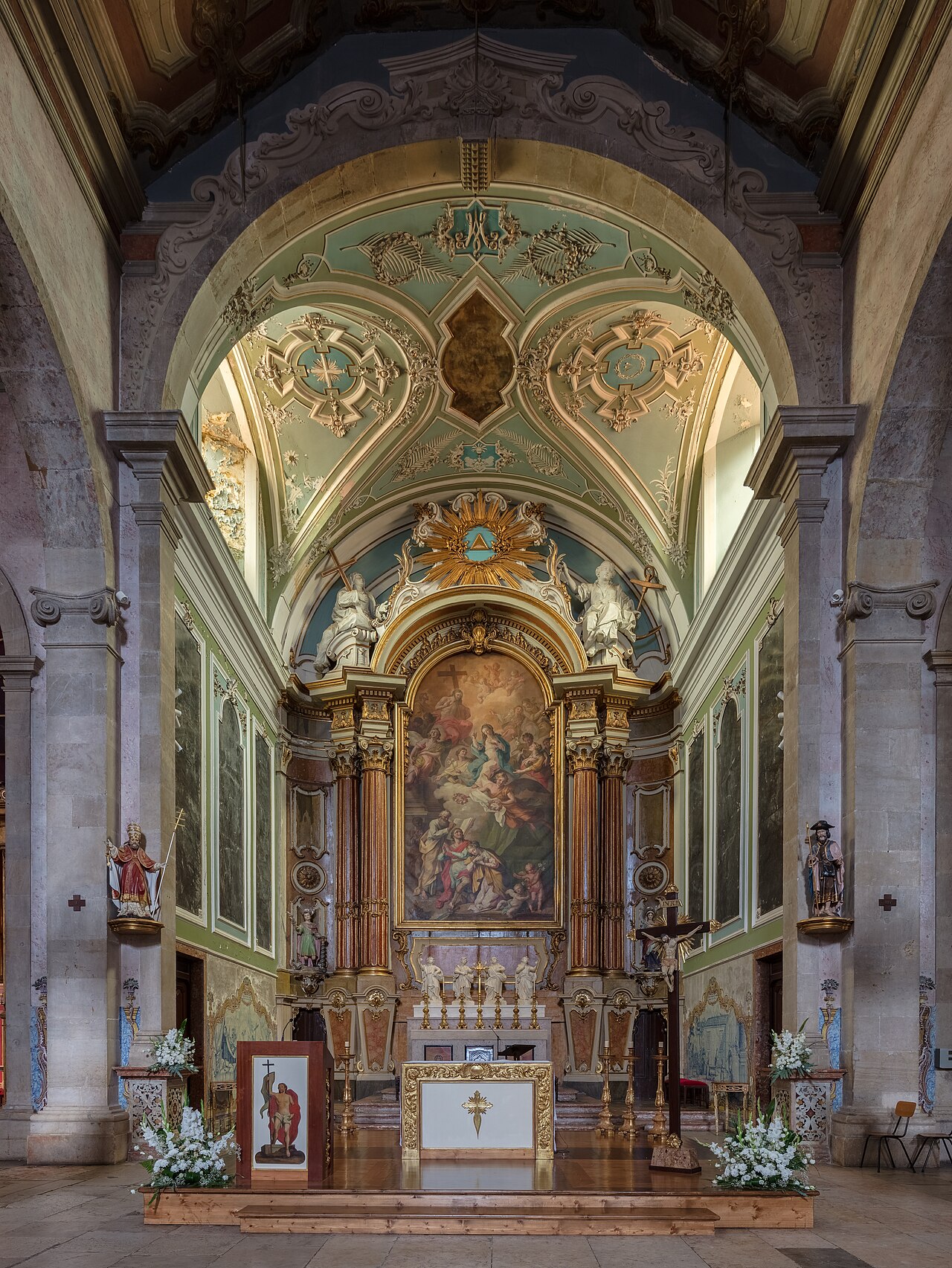
São Julião's church has undergone repeated rebuilding. Manueline portals coexist with later decoration. The square-facing façade and interior tiles reveal several historical layers within one building.
Look separately at the portal, façade and interior decoration before bringing them together. Resist assigning the entire building to a single era.
Fuente ↓02 / I Ching reflections
Bi connects ornament with meaning. Tiles and portals express choices made in different periods, but their beauty does not explain those choices. Looking closely should lead onward to when and why the decoration was adopted.
Above · Gen · Mountain
Below · Li · Fire
Read the six lines from bottom to top ↑
Zhou Yi · Commentary on the Image · Chinese excerpt
山下有火,贲。Fire is beneath the mountain: Bi. — Editorial translation of the excerpt
Original text and context ↗Fire makes the mountain’s form visible. Bi brings form and content together: ask about materials, labour and use when looking at decoration. Beauty begins observation rather than completing it.
This excerpt gives the natural image that opens the Commentary on the Image. The full passage relates it to personal conduct or governance in its historical context. Follow the source to read it in full. Applying it to buildings today is Xiaoxiong’s editorial proposal, not a summary of every meaning of the ancient text.
Look separately at the portal, façade and interior decoration before bringing them together. Resist assigning the entire building to a single era.
Form can bring different periods together. With a familiar object, distinguish earlier parts from later adjustments before judging whether change improved its use.
Take a question to the bench
Which detail makes you ask when it was made?
Go to the bench and note what I saw →A contemporary cultural interpretation by Xiaoxiong. The diagram and excerpt have a source; the building connection is editorial, not architectural intent, historical I Ching influence or the venue’s position.
03 / Vida del barrio
Abrir mesas cercanas · filtros y cómo llegar →
Locales a tres kilómetros en línea recta del edificio. Muros, vías y pendientes pueden alargar el recorrido; comprueba la entrada y si el local está abierto.
Comprobando la red Banco y las reclamaciones…
El directorio puede tener omisiones. Los registros no confirman apertura, carta ni reservas. Se muestran primero las direcciones completas.
04 / El Banco
Which detail makes you ask when it was made?
Building reference point: 38.523903, -8.892381. Punto de referencia para buscar lugares cercanos; no confirma la entrada pública.
Diego Delso · CC BY-SA 4.0 · Ver la fotografía original ↗
La presentación puede recortar la imagen. Consulta el original. La foto no representa el estado actual del lugar.
Consultado: 2026-10-04