From the south bank of the Tagus to bays, old towns and the coast.
Today, where will you start?
Nine municipalities, twenty-six buildings. Choose an area, discover a building and plan a nearby meal. The peninsula is extensive: these dispersed places do not form a continuous walking route.
See the distribution
Colours show municipal boundaries, with the view centred on the buildings. Numbers match the list; lines connect labels to locations. Swipe on mobile. This does not show roads, coastlines or entrances.
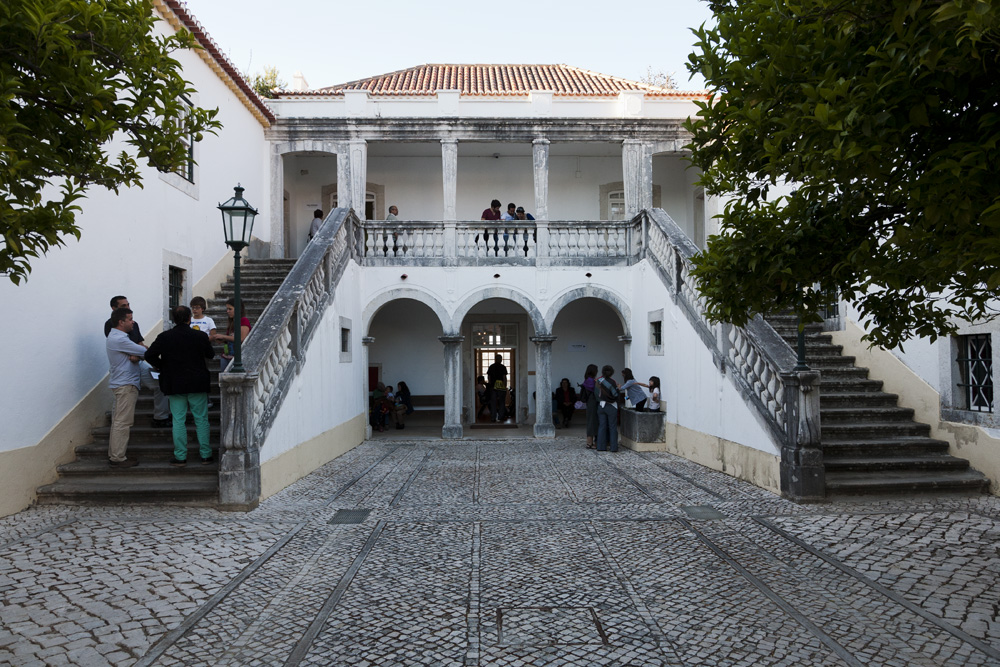
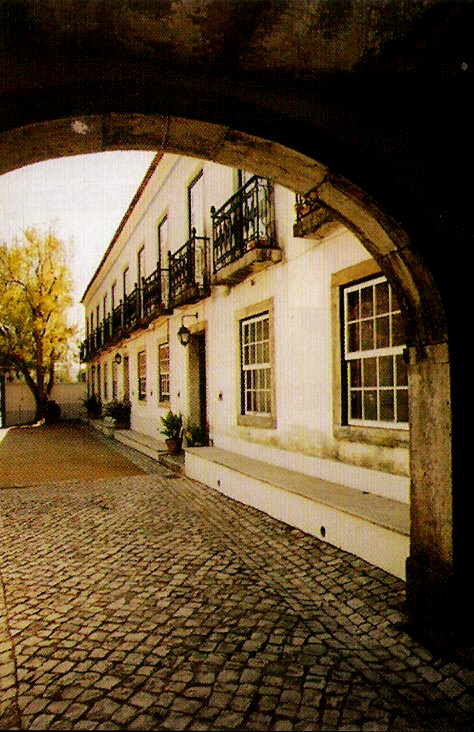
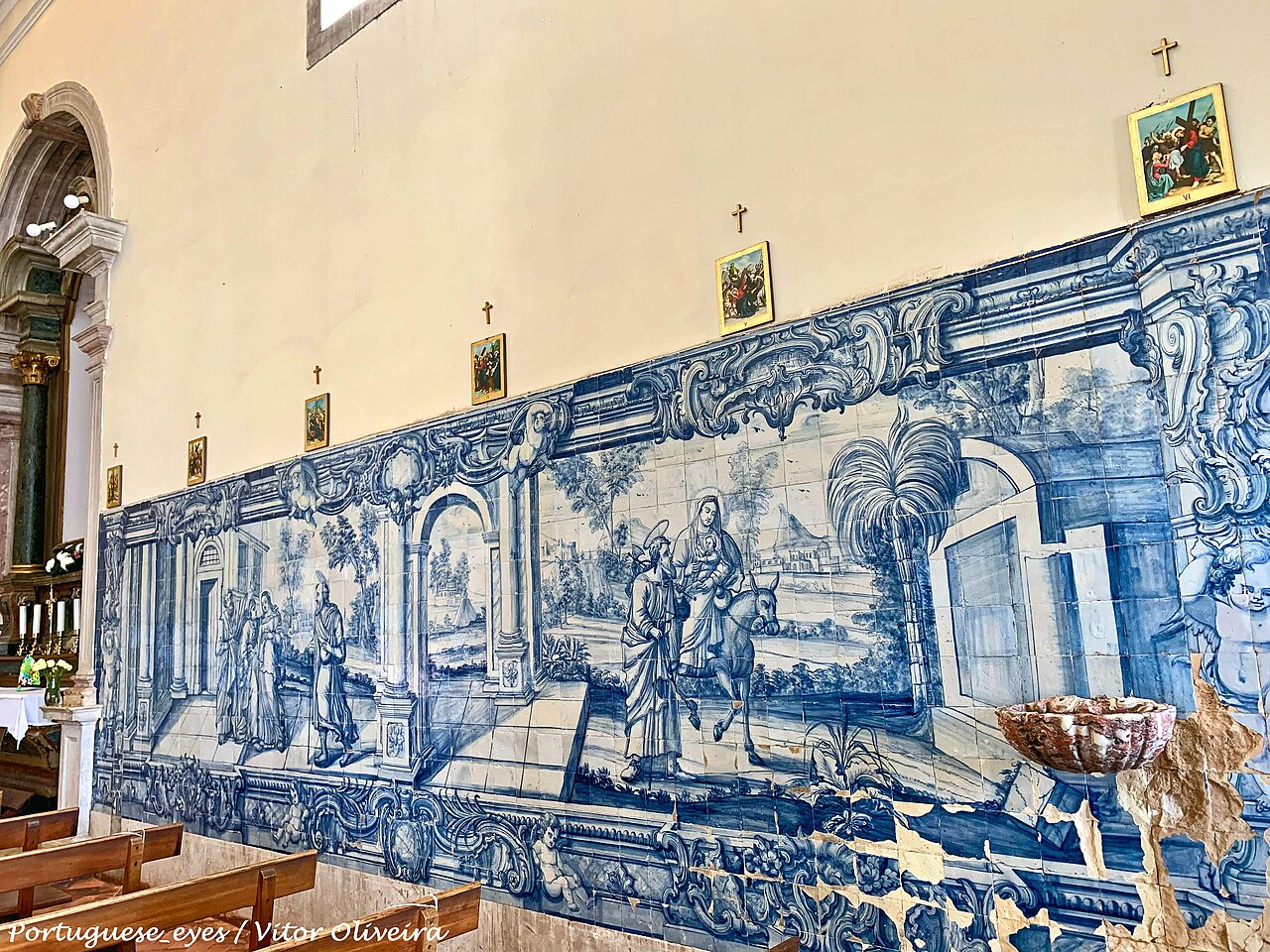
Start with the older north-facing wing overlooking the Tagus, then explore the rooms and gardens. Notice how doorways frame views, and distinguish the former chapel’s tiles from contemporary exhibits.
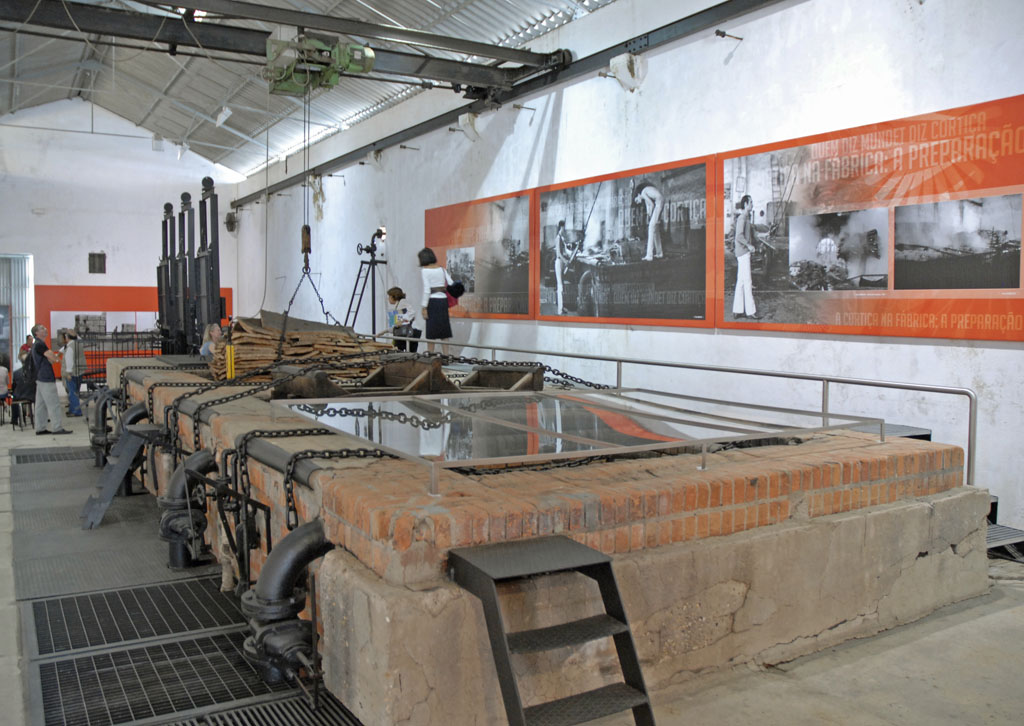
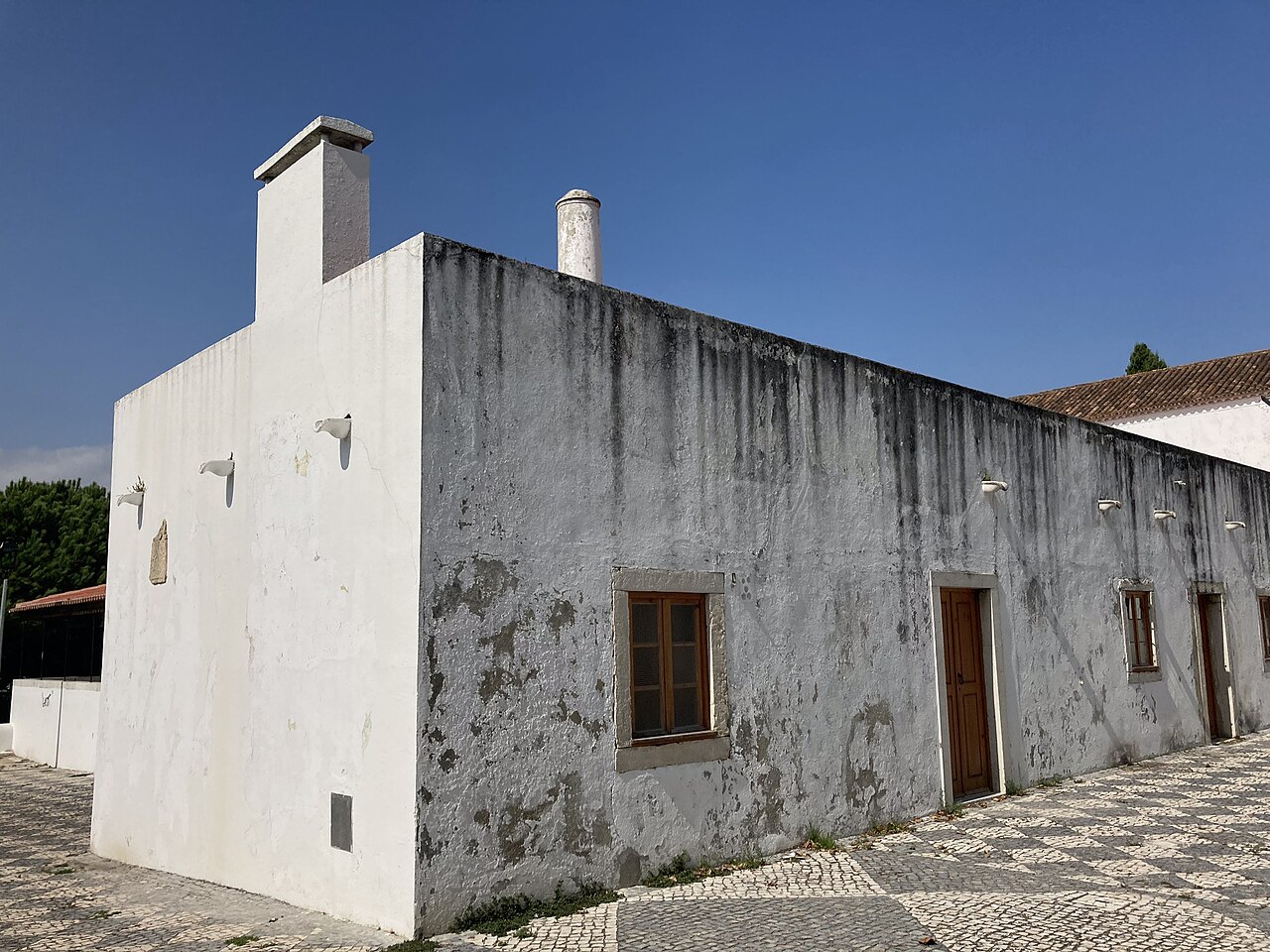
Read the factory as a system: where materials entered, where people worked and how machinery occupied space. Historical interior photographs do not establish current access.
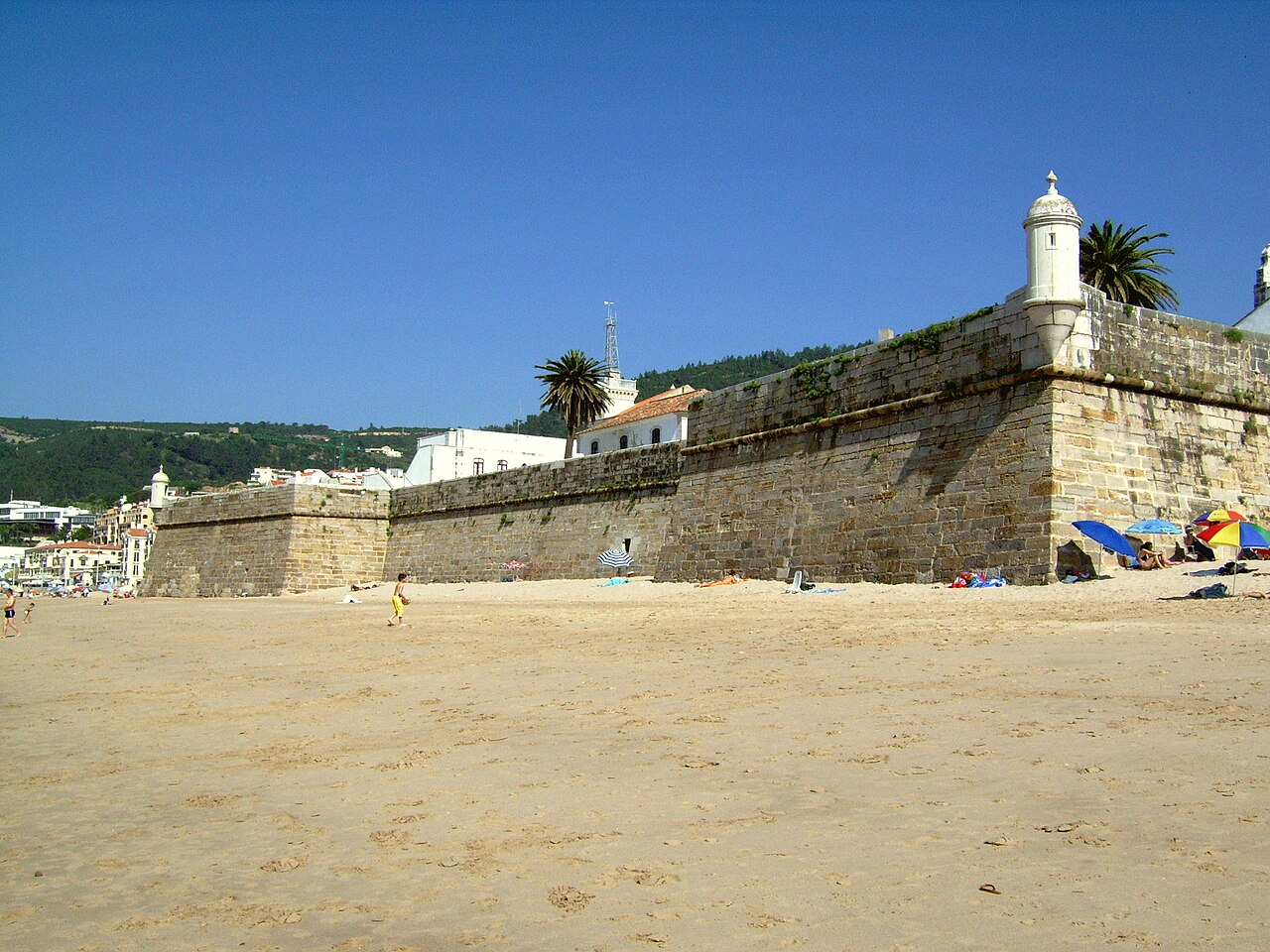
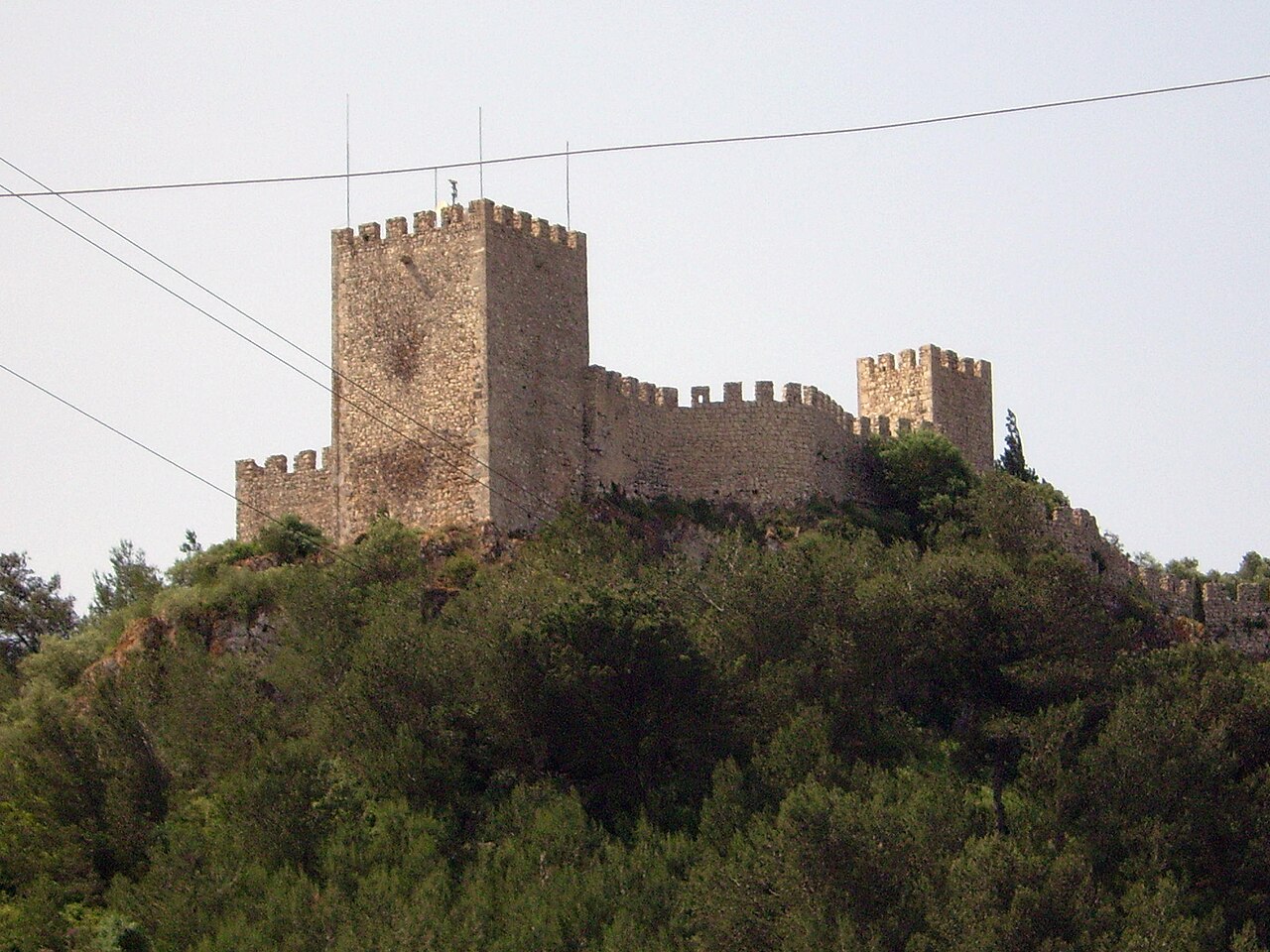
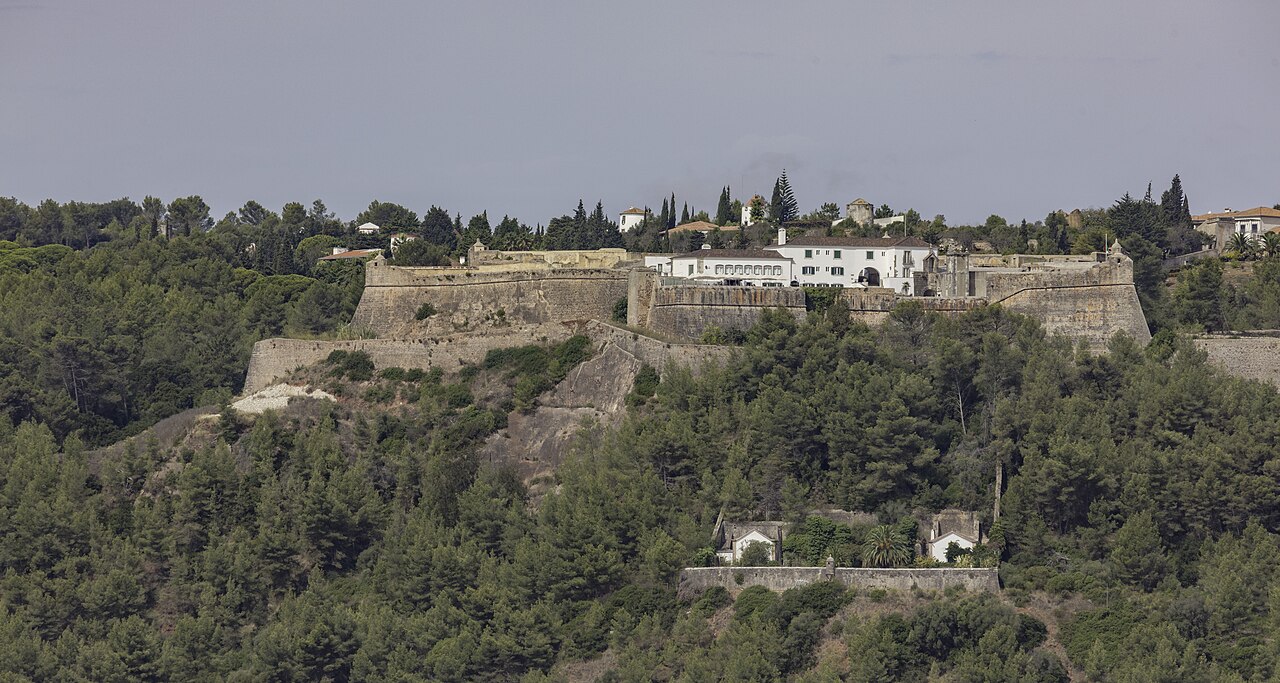
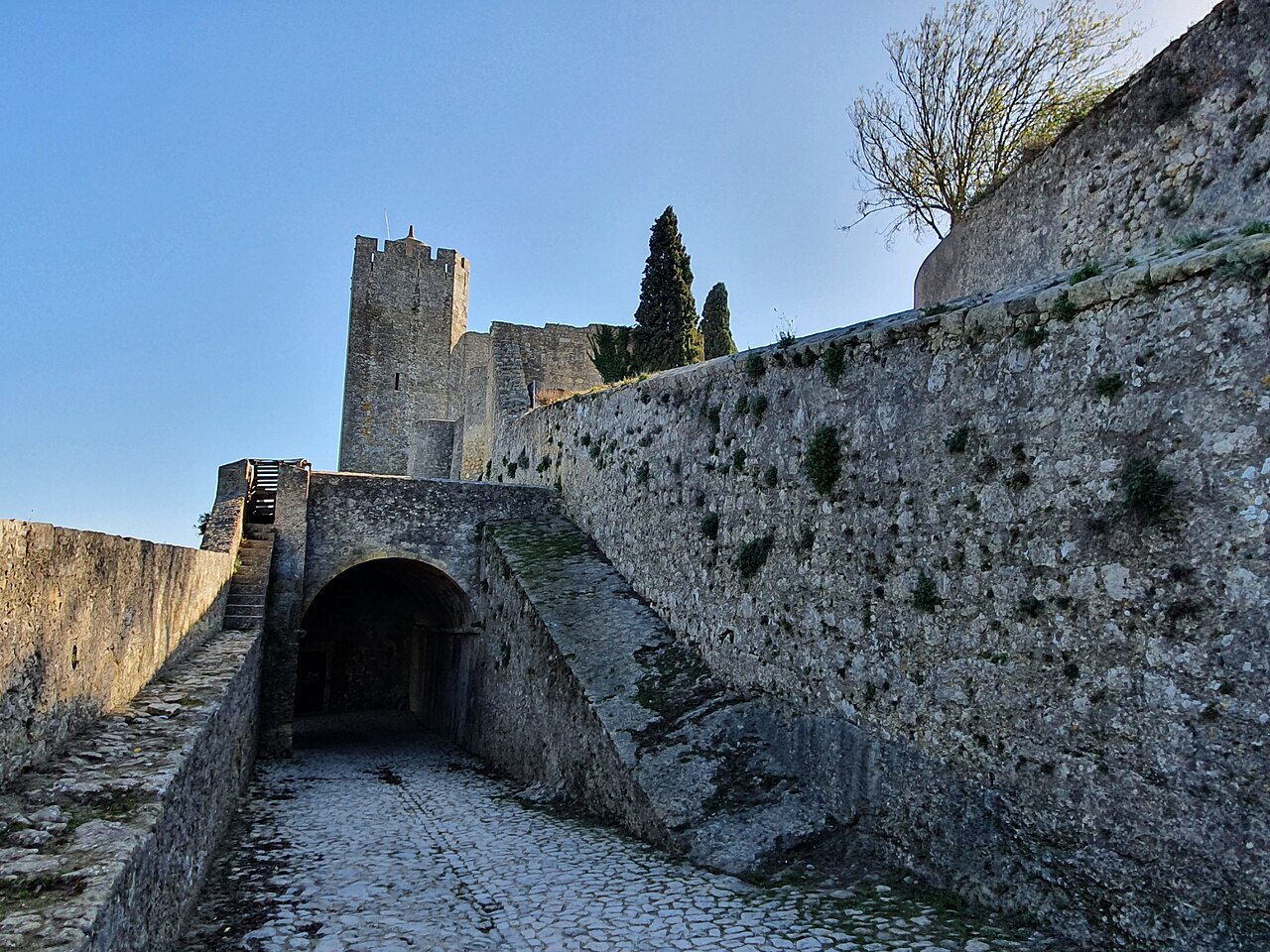
Looking toward the bay, consider both defensive advantage and the daily effort of climbing. Straight-line distance to the shore does not describe the walking route.
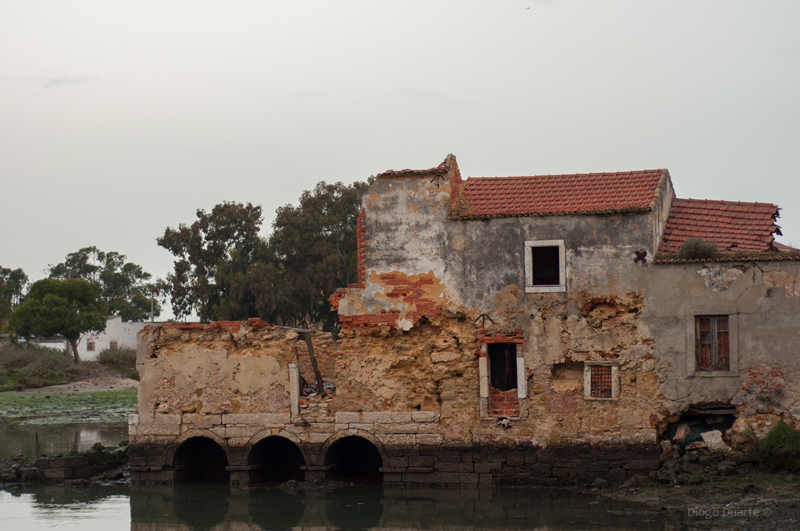
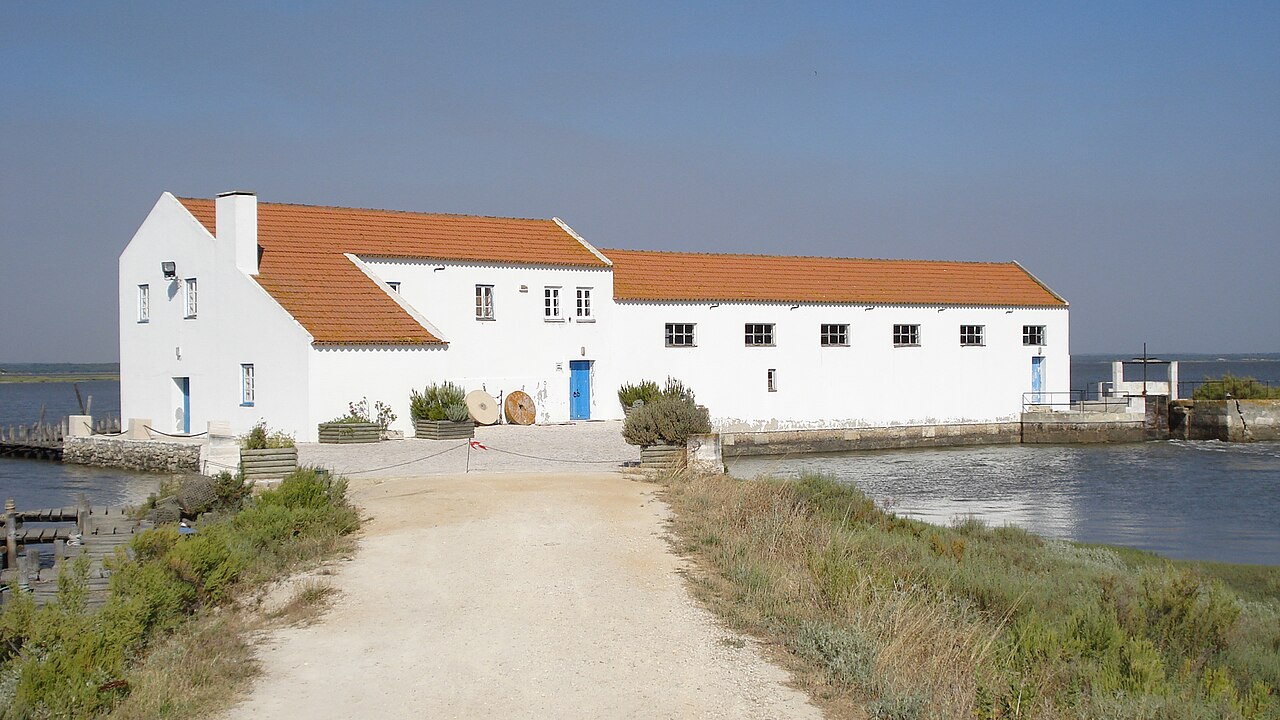
Understand how water was retained and released before looking at the millstones. Interpretation can explain the movement even without a mechanical demonstration.
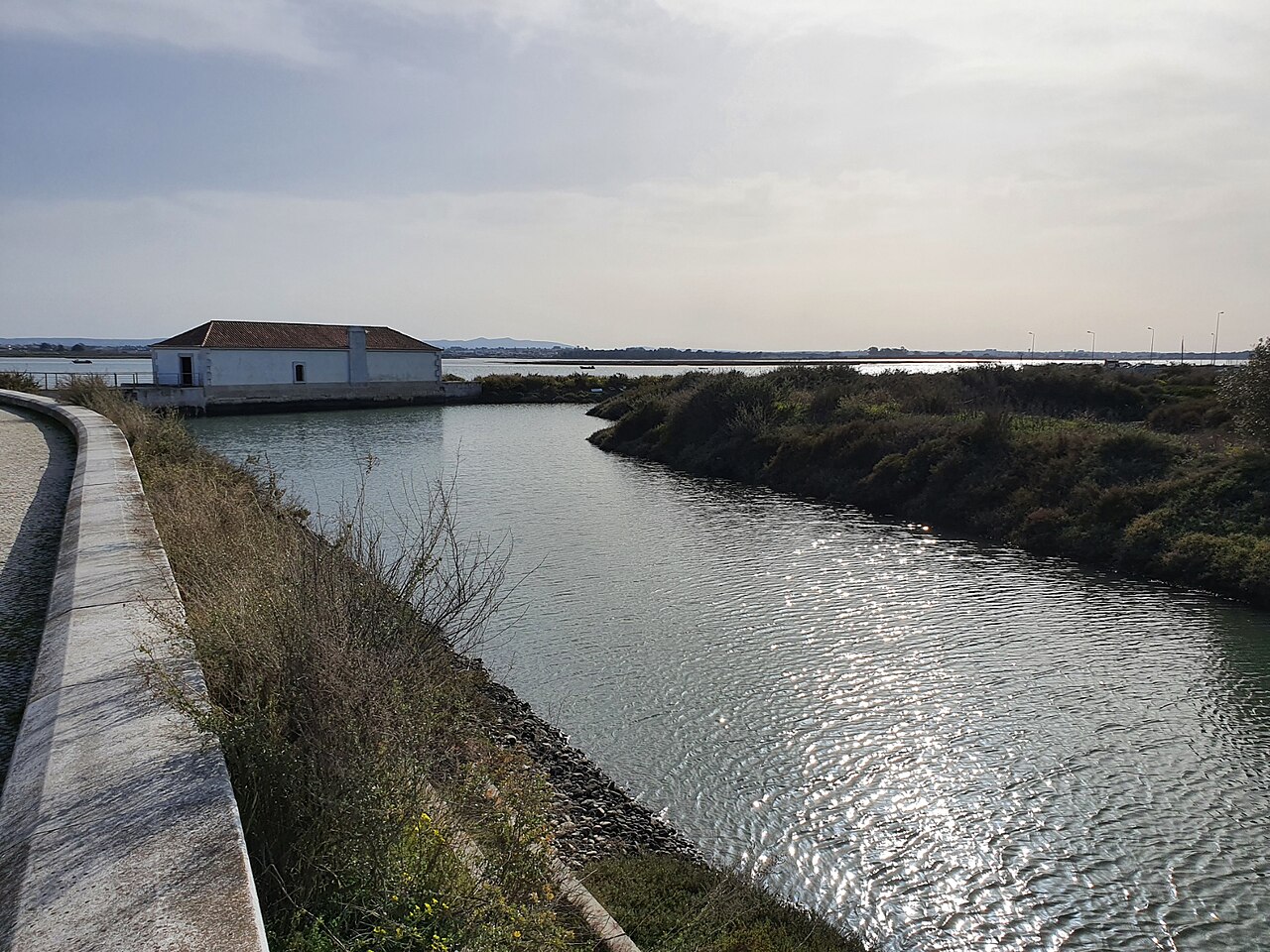
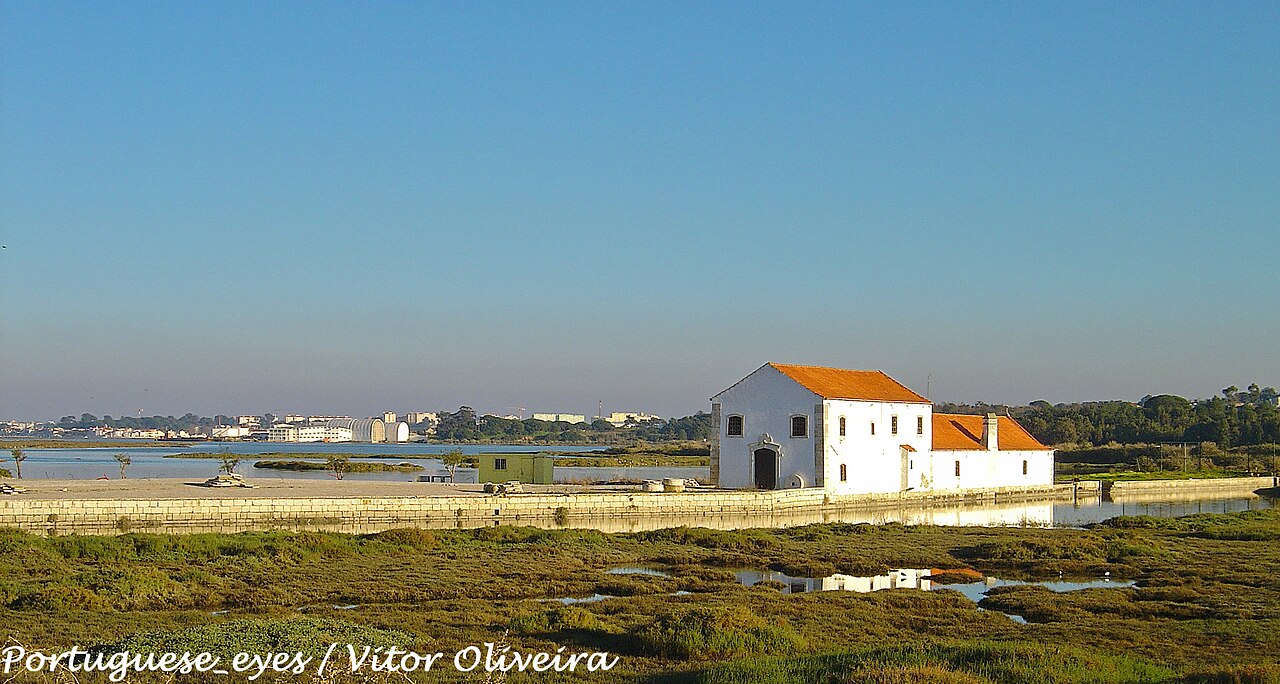
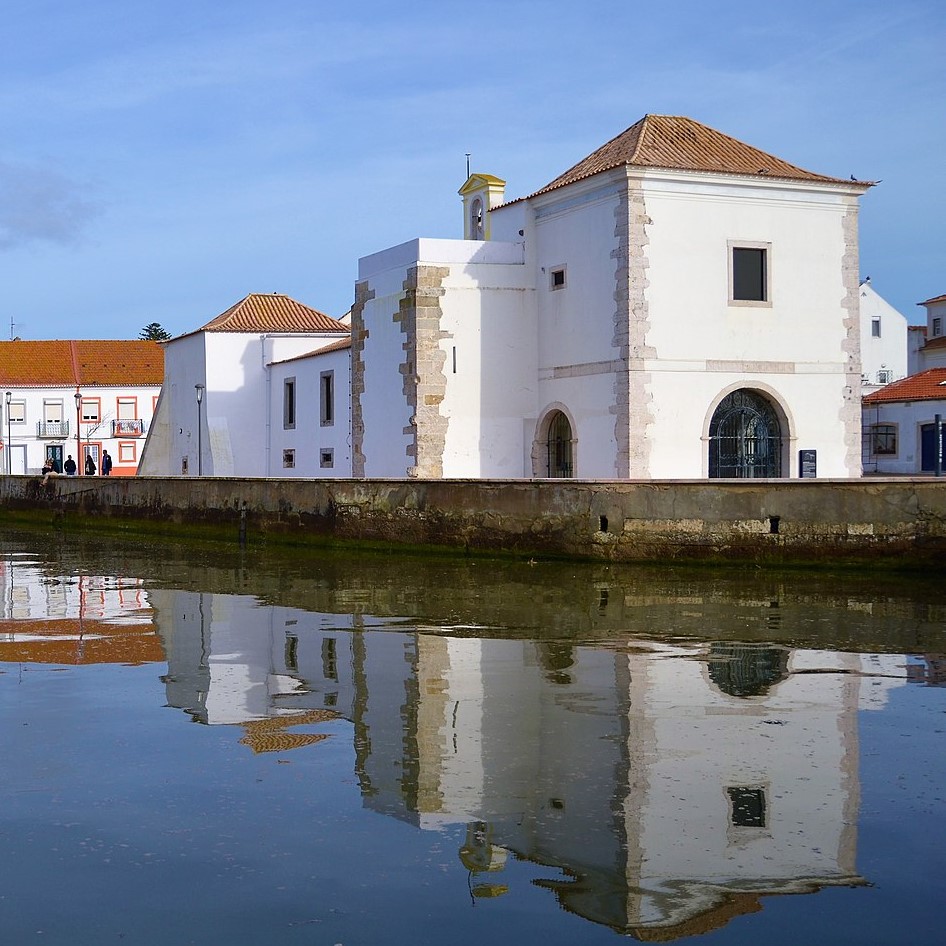
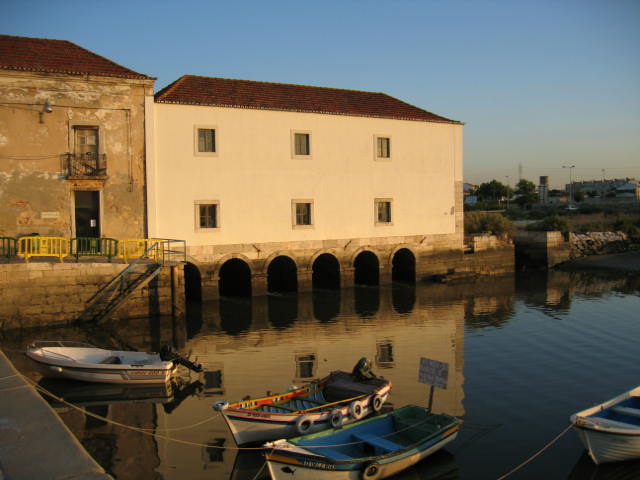
Look at the channel, mill and shoreline together. Confirm arrangements for interior visits; access to the waterfront does not mean the building is open.
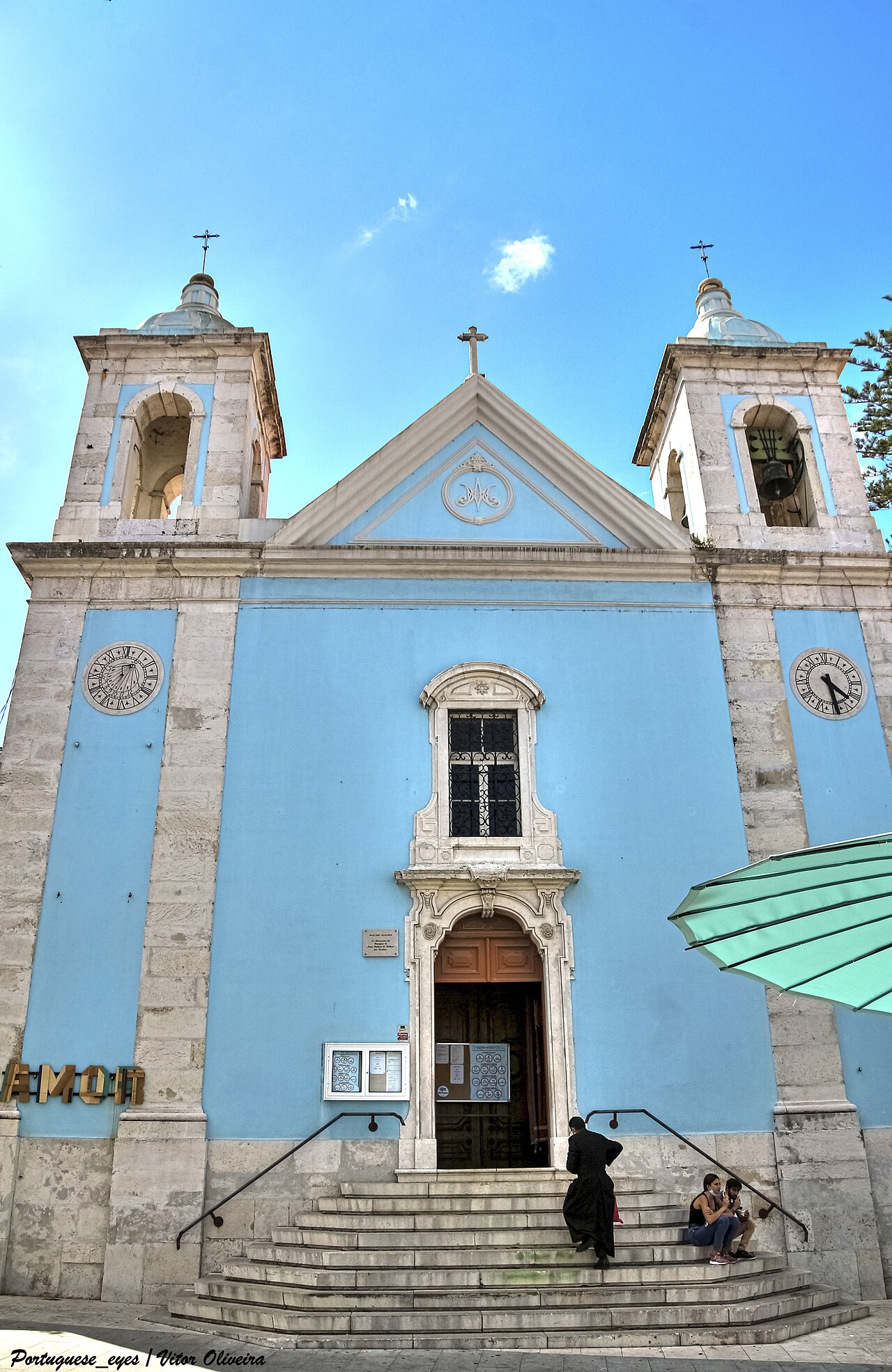
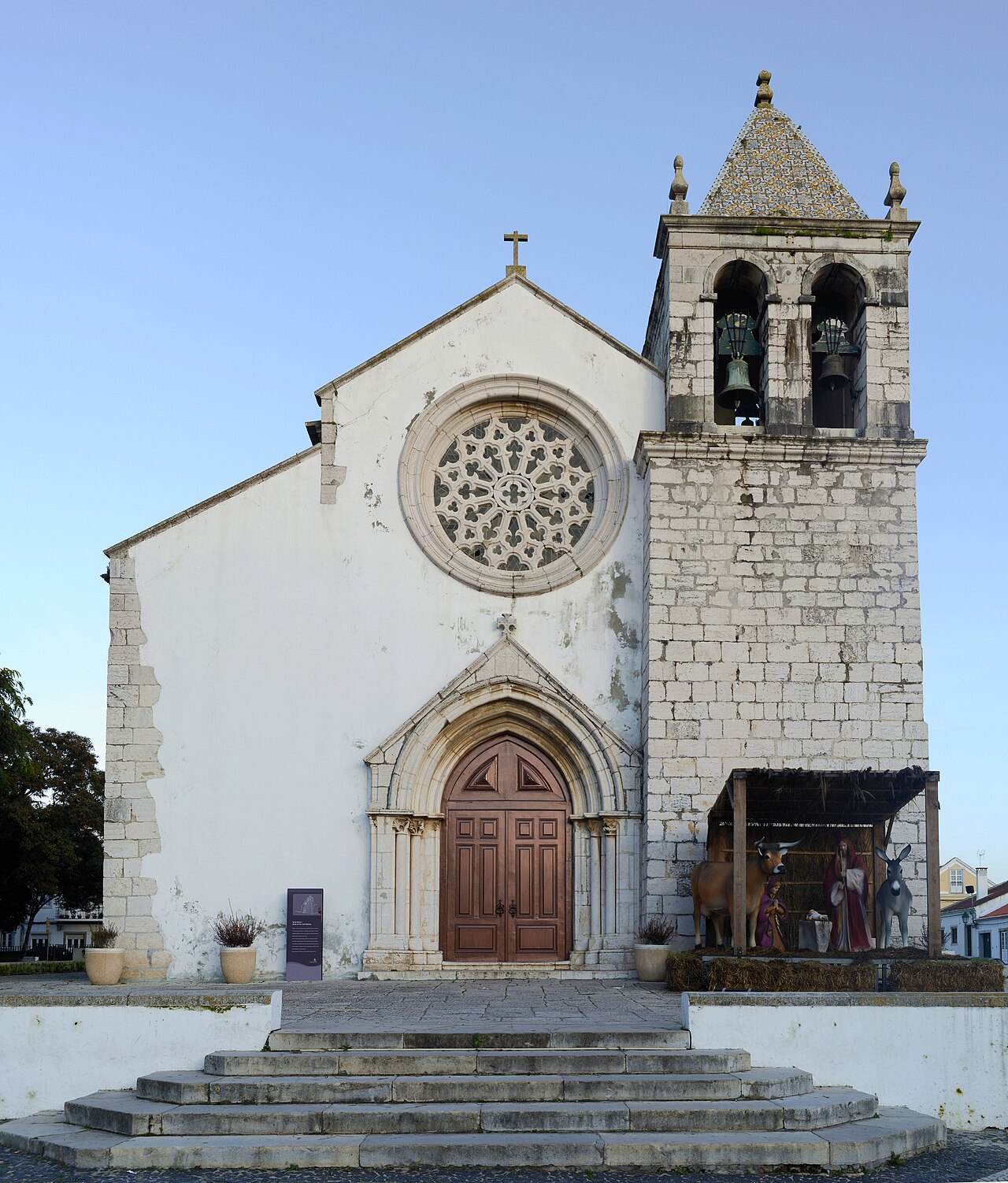
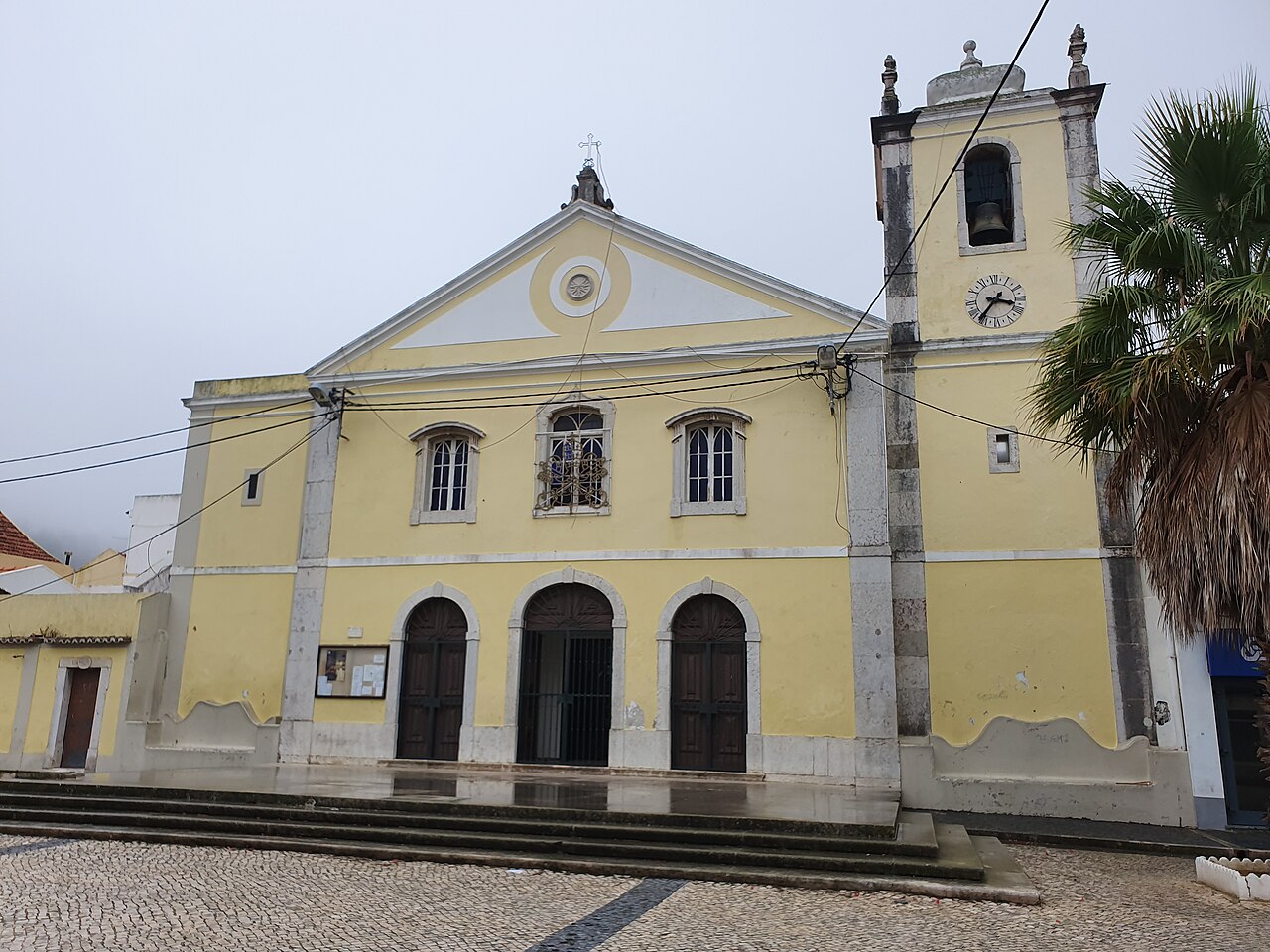
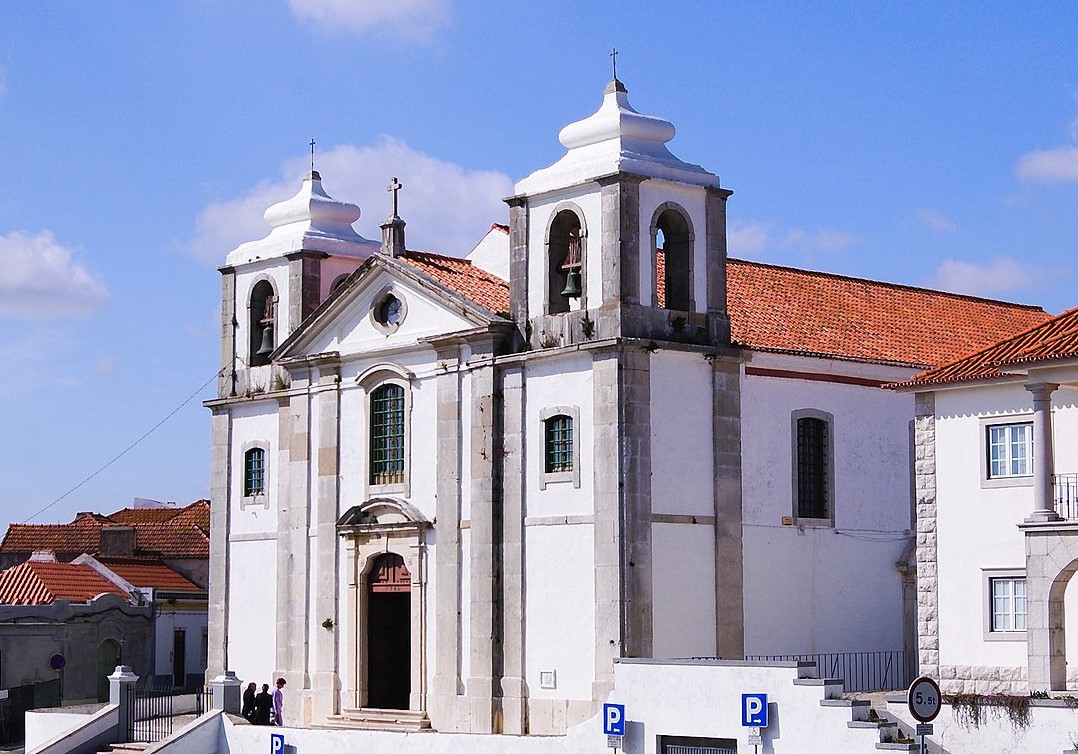
SET-016 · Igreja Paroquial de São Pedro da Trafaria
Igreja Paroquial de São Pedro da Trafaria
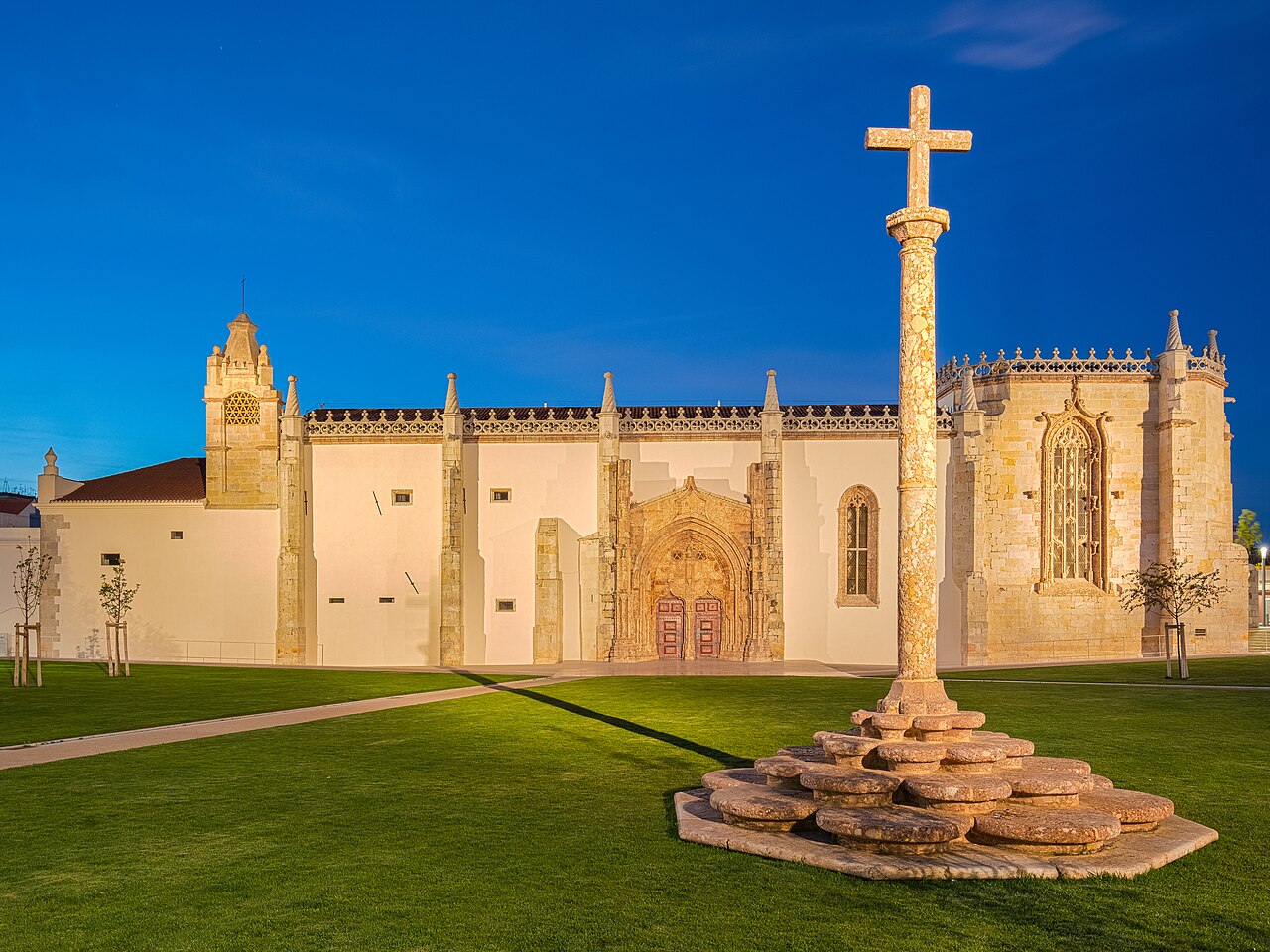
Looking at the completed façade, remember that construction was neither continuous nor straightforward. Its present completeness does not reveal the whole process.
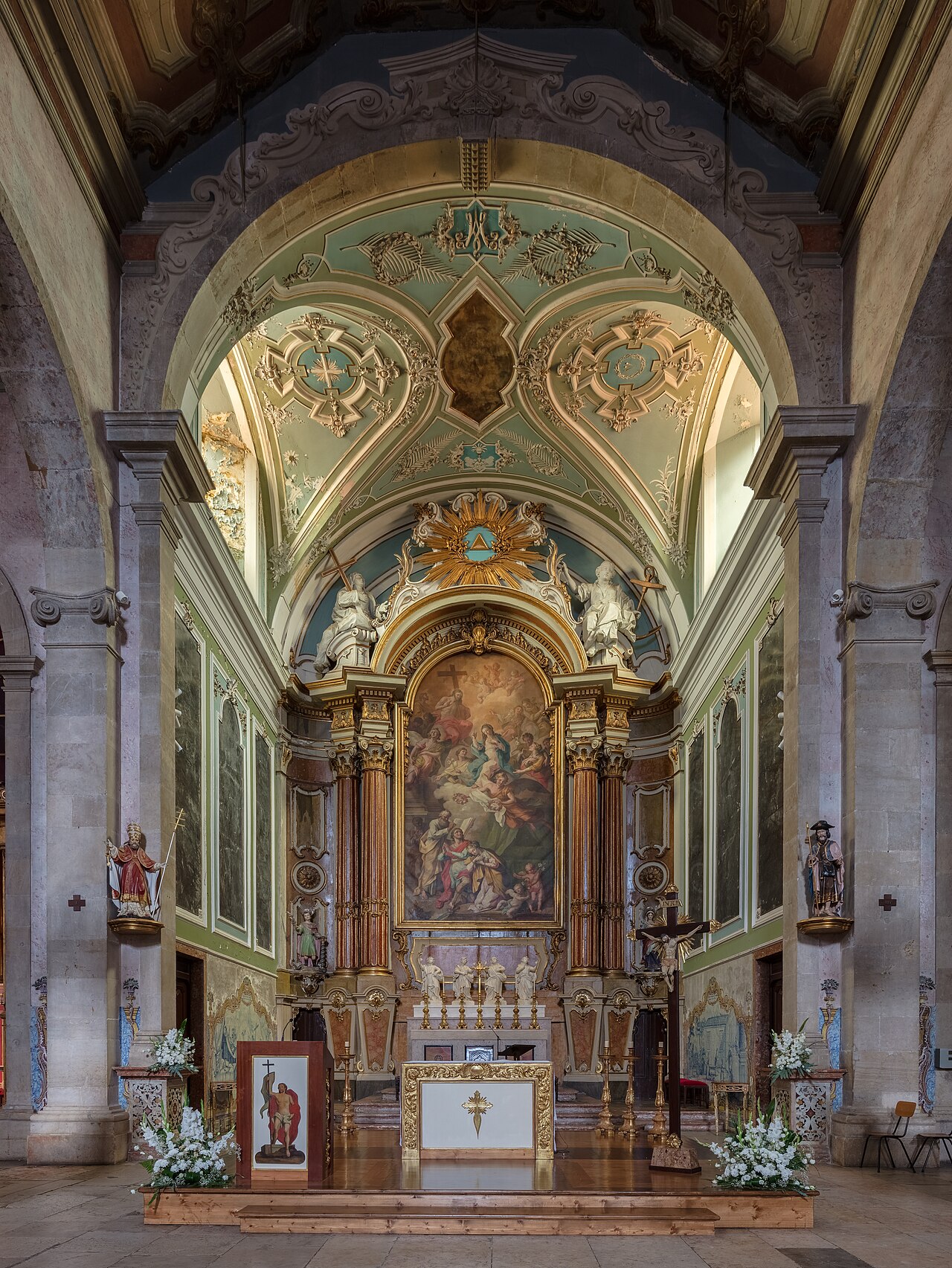
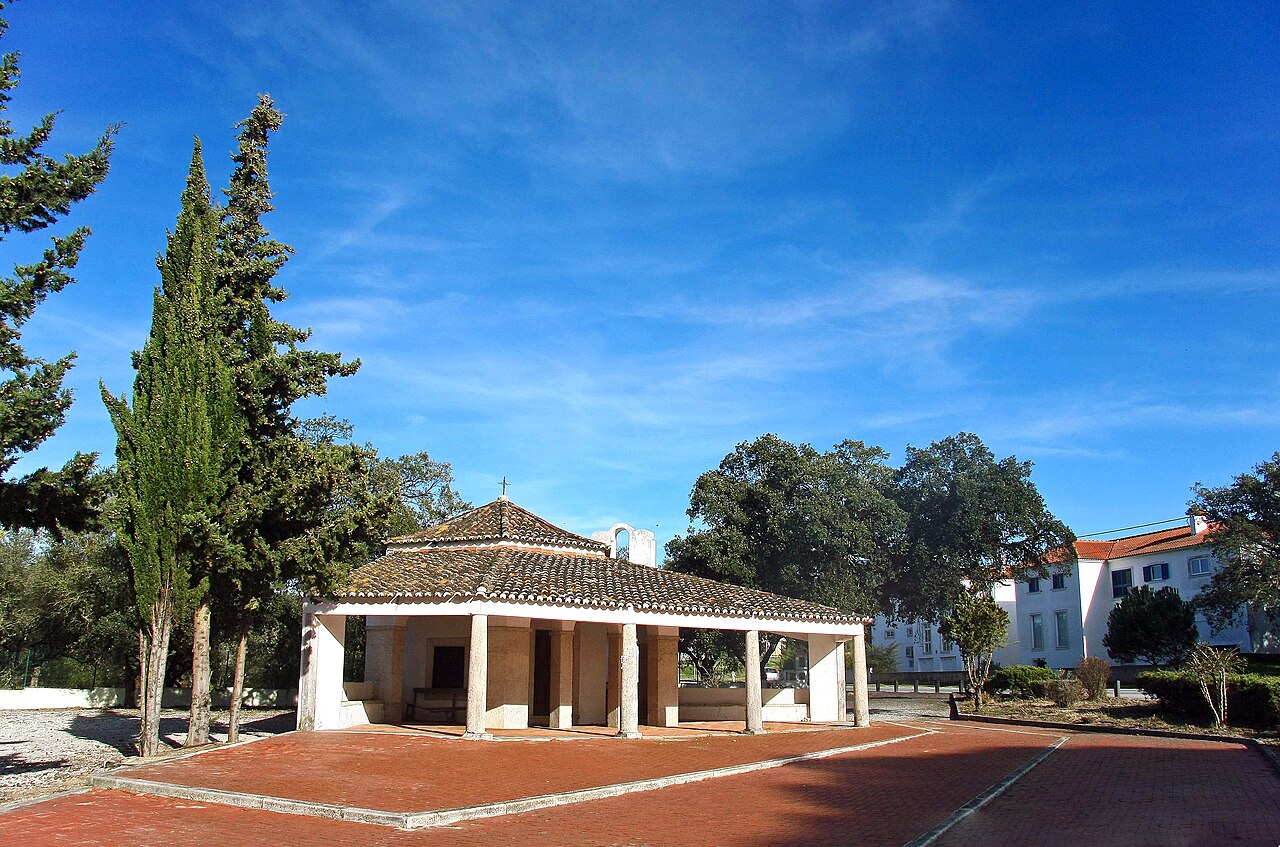
Connect votive objects with the space without turning devotional narratives into construction dates. Check festival dates separately from ordinary opening.
Connect visible walls with the channel. Restoration discoveries show that part of the history lies below ground, beyond the façade.
易Repair
A table nearby
Explore venue details before choosing. Within three kilometres in a straight line from the building; confirm walking access and opening before you go.
Nearby, start with these
Recognise the storefront, then check venue details and directions.
Loading records…
How we select
Up to four venues with matched sources, an address and a non-historical storefront photo, ordered by straight-line distance. Claims and payments do not affect order. Confirm access and opening.
This includes unchecked map records, potentially incomplete addresses or closed venues. It is not a recommendation list.
Sources and selection criteria
The default list contains details cross-checked with the venue or municipality. All map records includes additional places. Distances start at the building reference point; confirm entrances, opening and walking access with the venue.
Unique records across anchors: —
Operating status, storefront photos and routes need review. Crossings, bays and slopes can lengthen a trip; straight-line distance is not walking time.
 XIAOXIONGMARKET