Esta página todavía no está disponible en español. Se muestra la versión en inglés.

XIAOXIONGMARKET← Greater Lisbon
Lisbon

Choose country and city

All world cities
English

PORTUGAL / GREATER LISBON / LISBON

Lisbon,
one building at a time.

32 buildings, five areas. Choose a place, discover its story and find a table nearby.

32 buildings · 5 areas

Open the city map ↓
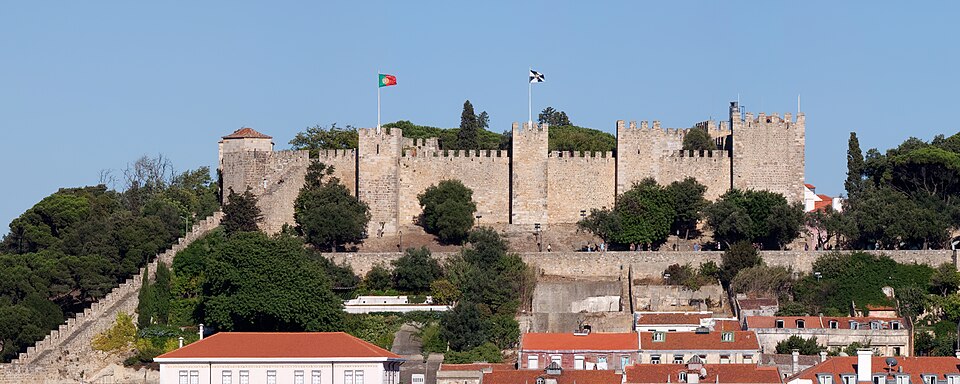
São Jorge Castle and walls · Archive photograph
São Jorge Castle and walls

CITY MAP

32 buildings in Lisbon

These are visiting areas, not administrative boundaries. The buildings do not form one continuous walking route.

Lisbon

City map

Choose an area, then a number. Discover a building and the life nearby.

32 / 32 buildings
↑ North

Choose a number · lines connect to reference locations

CoastlineMunicipal outline

© OpenStreetMap contributors · DGT / CAOP

Buildings by number · 32
Map notes and sources

North is up; locations use recorded coordinates. Areas help organise your visit. This map does not show roads or walking routes.

Building reference points; numbered labels are moved for easier selection. Check entrances and visiting conditions on the building page.

Simplified geographic lines; view centred on the buildings. Coastline: OpenStreetMap (2026-10-16). Municipal outlines are reference data, not legal boundaries or navigation guidance.

Reference points come from the sources listed on each building page. Check visit conditions and public entrances before setting out.

São Jorge Castle and walls · Archive photograph
LIS-001Historic centre

Castelo de São Jorge

São Jorge Castle and walls

Why do we read this castle through Gen?

This hillside knew sea winds, armies and migration before today's Lisbon. Walk down from the walls into Alfama and history no longer belongs only to the building: it enters the cobbles, the hanging laundry, the sound of Fado and the small shops still open.

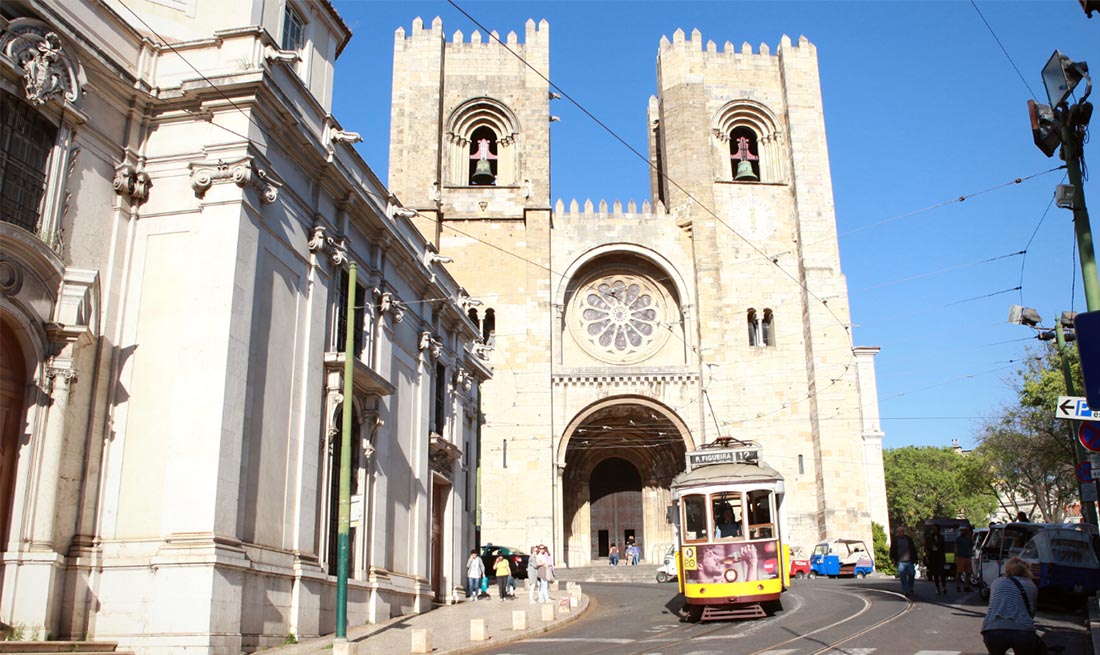
Lisbon Cathedral · Archive photograph
LIS-002Historic centre

Sé de Lisboa

Lisbon Cathedral

Why do we read this cathedral through Fu, Return?

Look up at the stone arches, columns and light. Ask what comes from the twelfth century, what was added later and what belongs to a modern idea of the Middle Ages. A building is most honest not when it looks old, but when it reveals every choice.

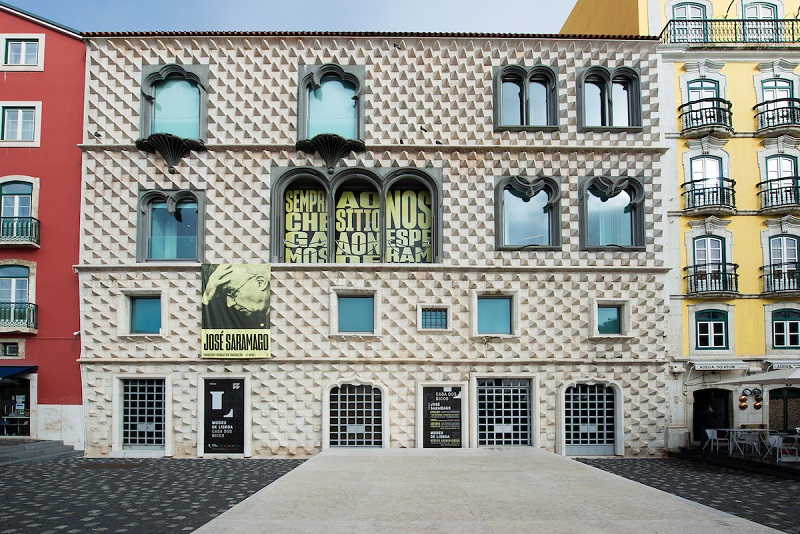
House of the Spikes · Archive photograph
LIS-003Historic centre

Casa dos Bicos

House of the Spikes

Why do we read Casa dos Bicos through Li?

In the square, pointed stones cut sunlight into a dense pattern of light and shade. Inside, Roman tanks, walls and an older shoreline emerge below glass walkways. The façade projects identity; the ground below opens time.

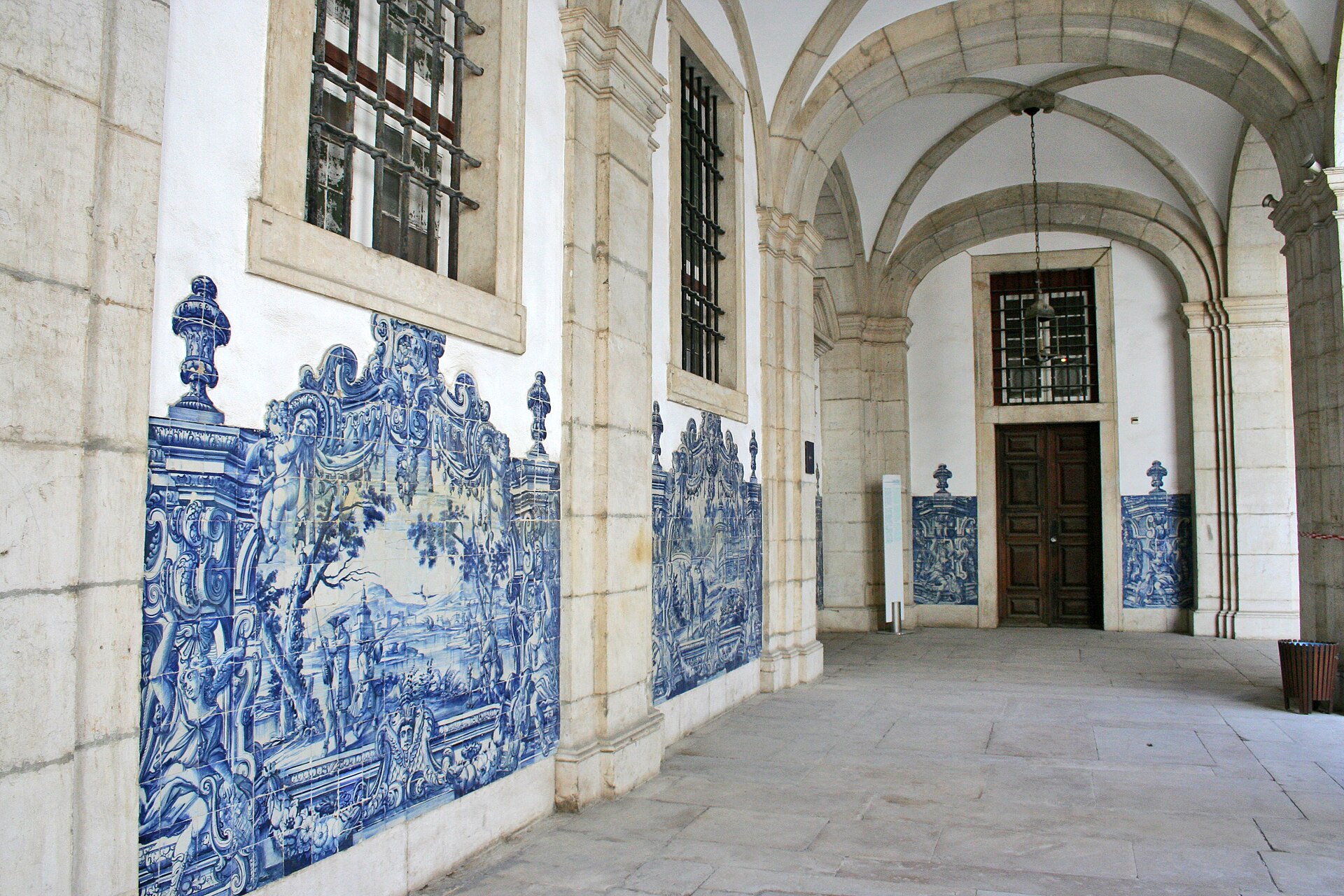
Monastery of São Vicente de Fora · Archive photograph
Photo source and licence

Alegna13 · CC BY-SA 3.0

Original photograph page ↗

Cropped preview; see the original photograph. The photograph does not confirm the venue’s present condition.

LIS-004Historic centre

Mosteiro de São Vicente de Fora

Monastery of São Vicente de Fora

Why do we read this monastery through Da You?

Look at the cloister, tiles and tombs separately: first notice how the spaces connect, then the images on the walls, and finally the tomb labels. They belong to one monastery but record uses from different periods.

National Pantheon · Archive photograph
Photo source and licence

AntoineJoub · CC BY-SA 4.0

Original photograph page ↗

Cropped preview; see the original photograph. The photograph does not confirm the venue’s present condition.

LIS-005Historic centre

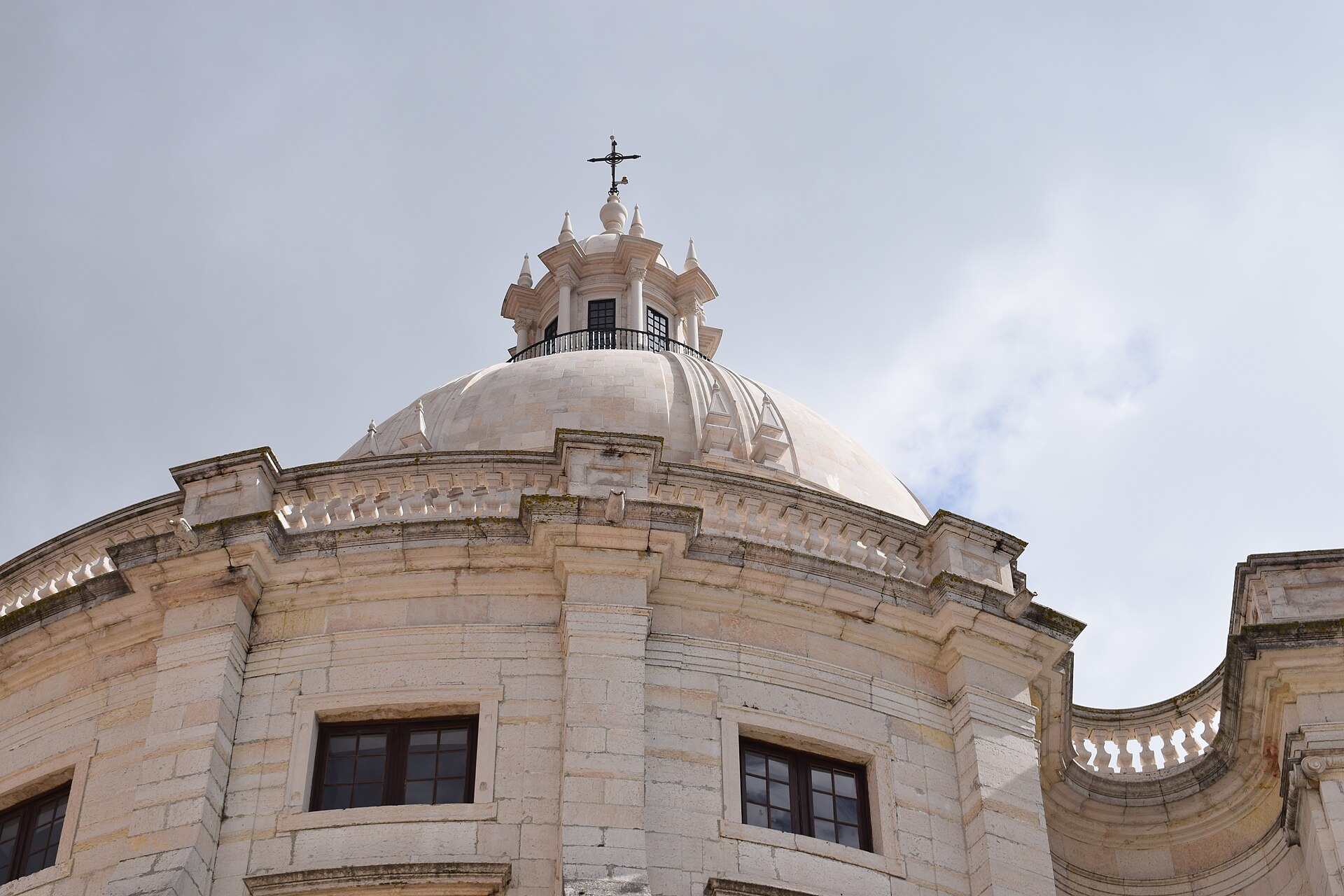
Panteão Nacional

National Pantheon

Why do we read the Pantheon through Heng?

Start with the dome and exterior silhouette, then notice how the memorial spaces are arranged inside. Compare the completed building with its timeline to understand how many generations the project spanned. Check opening arrangements before entering.

Madre de Deus Convent and National Tile Museum · Archive photograph
Photo source and licence

Yair Haklai · CC BY-SA 4.0

Original photograph page ↗

Cropped preview; see the original photograph. The photograph does not confirm the venue’s present condition.

LIS-006East

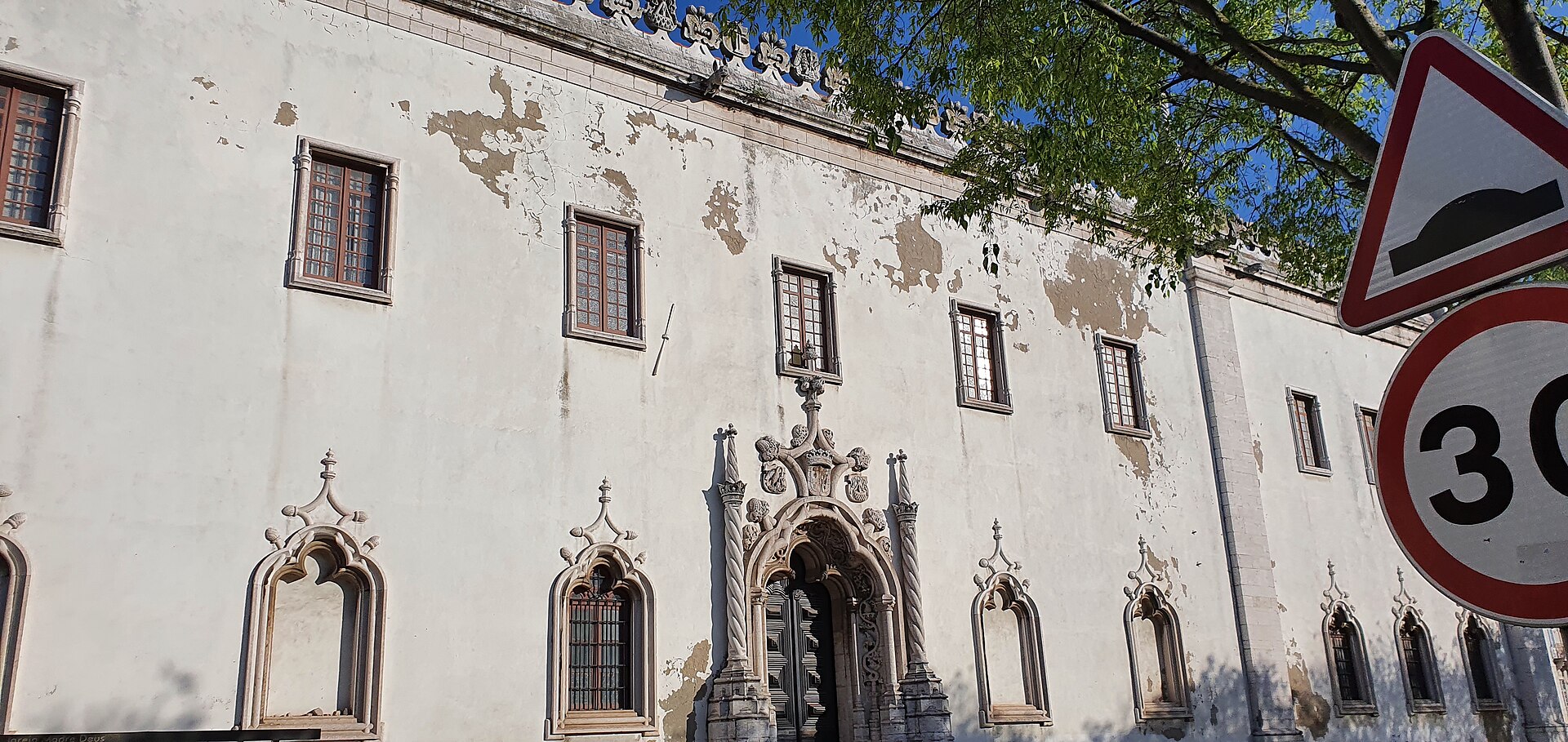
Mosteiro da Madre de Deus e Museu Nacional do Azulejo

Madre de Deus Convent and National Tile Museum

Why do we read Madre de Deus through Li?

Step back to see a whole tiled wall, then move closer to notice how individual patterns repeat and connect. Look at the relationship with doors, windows and paintings: the surrounding space changes how an image is seen.

Convento do Beato · Archive photograph
Photo source and licence

Web Summit · CC BY 2.0

Original photograph page ↗

Cropped preview; see the original photograph. The photograph does not confirm the venue’s present condition.

LIS-007East

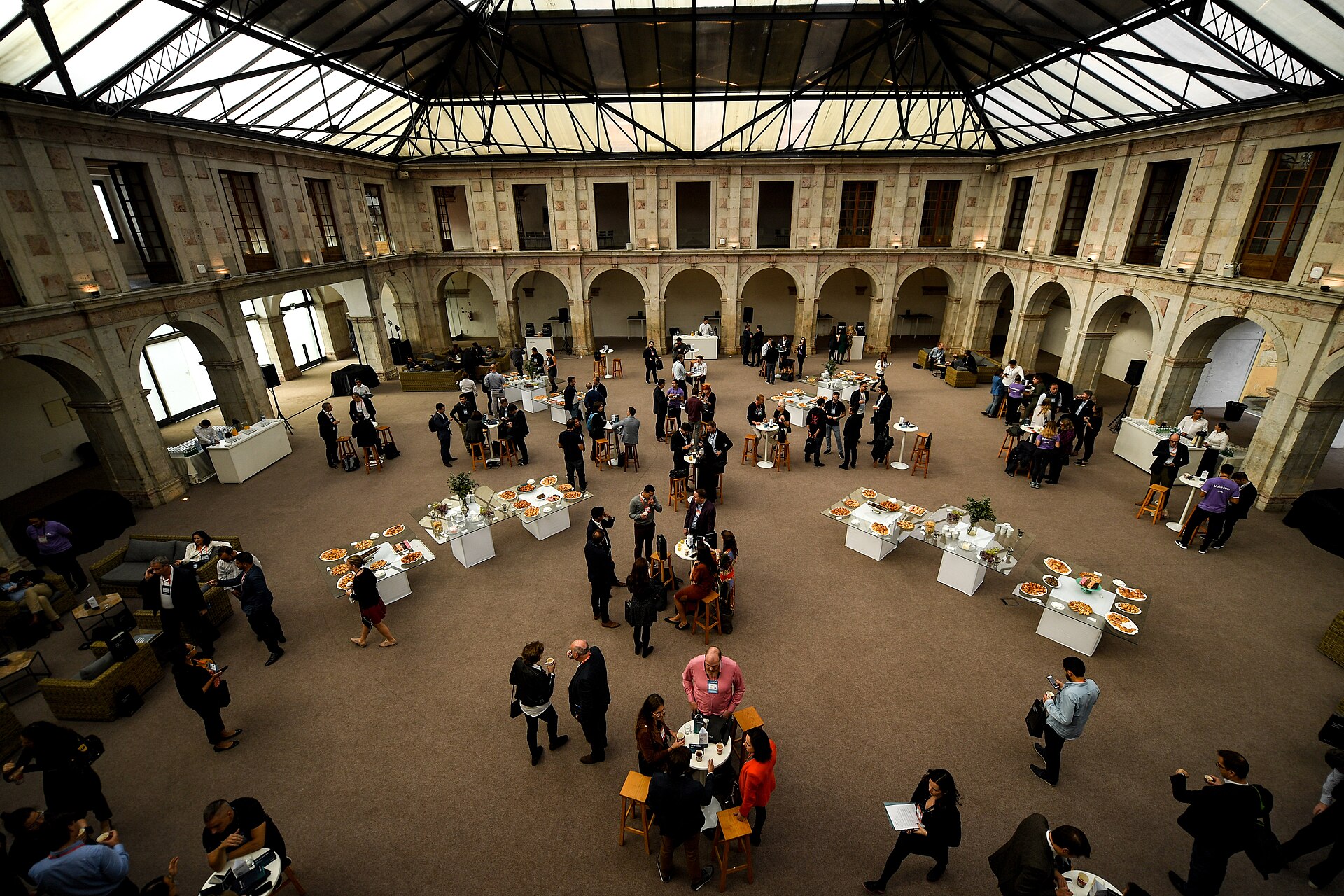
Convento do Beato

Why do we read Convento do Beato through Ge?

Notice the rhythm of the arches and the relationship between stone columns and adapted spaces. The venue also hosts events, so check access before entering. From outside, you can still observe how the old building connects with today's neighbourhood.

Santa Apolónia Station · Archive photograph
Photo source and licence

Vitor Oliveira · CC BY-SA 2.0

Original photograph page ↗

Cropped preview; see the original photograph. The photograph does not confirm the venue’s present condition.

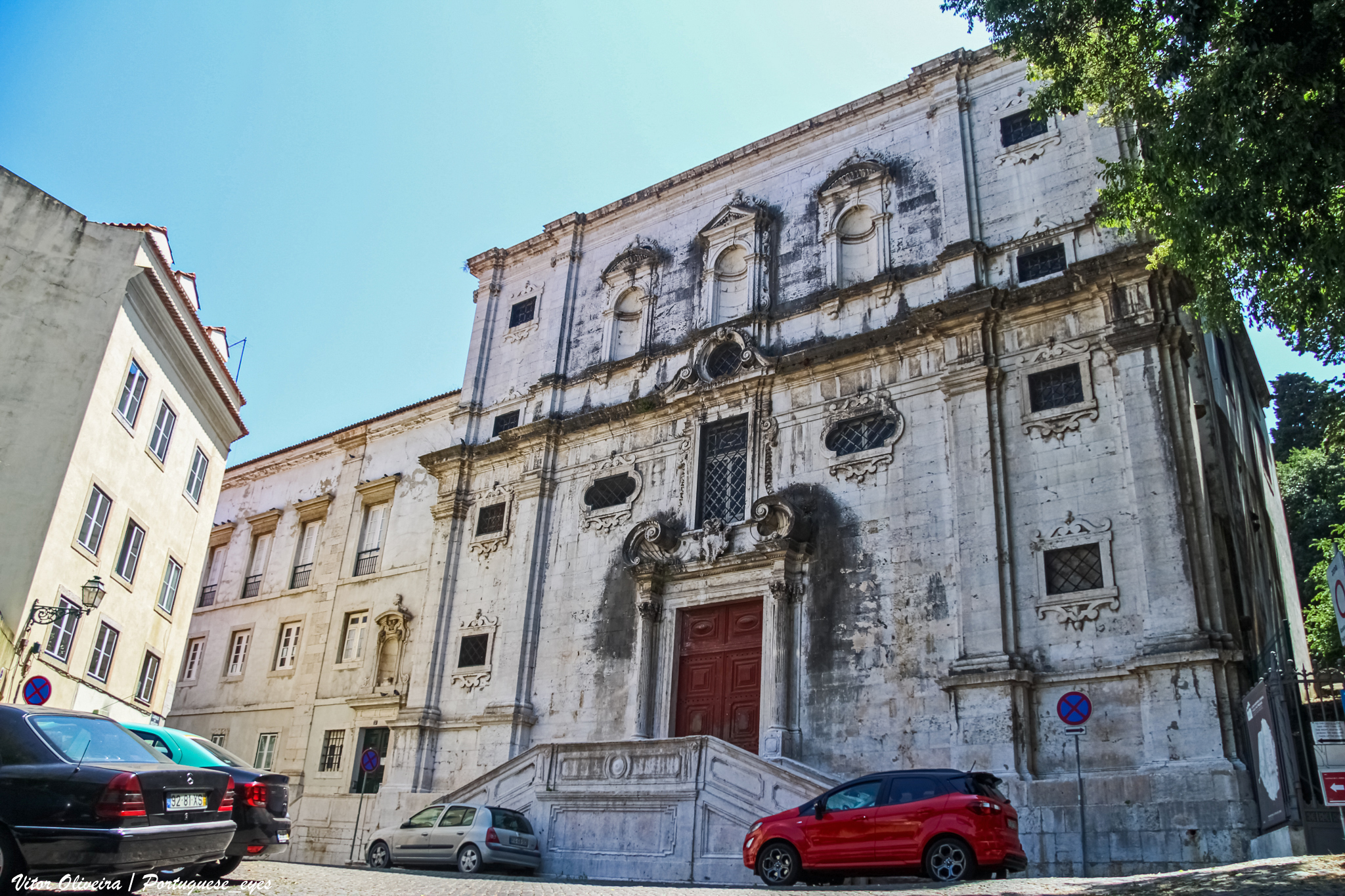
LIS-008Historic centre

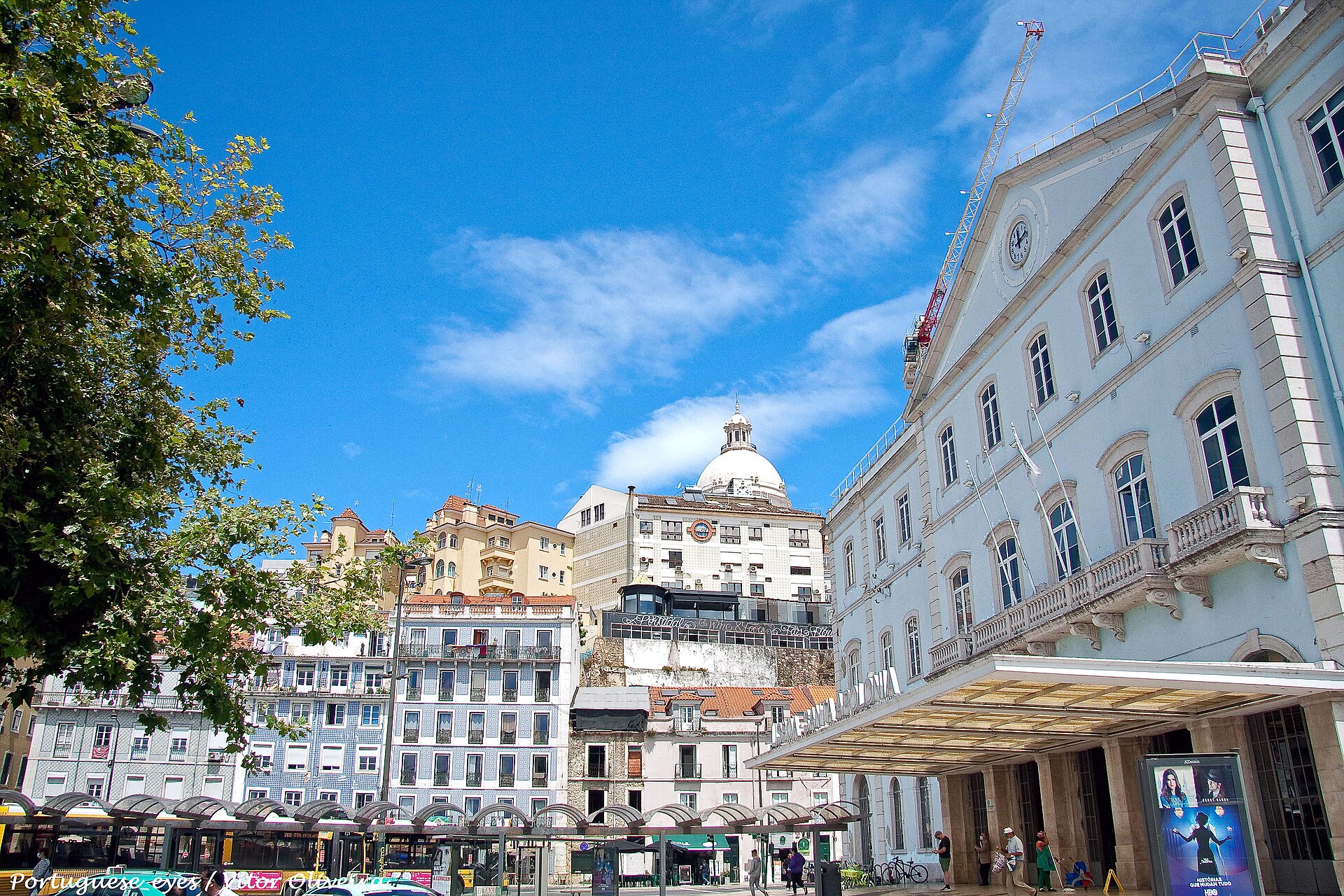
Estação de Santa Apolónia

Santa Apolónia Station

Why do we read this station through Zhen?

Start with the façade and entrance, then observe how passengers move between the street, waiting areas and platforms. Keep circulation routes clear. For travel information, use the station's current departure boards.

Church of Menino Deus · Archive photograph
Photo source and licence

Vitor Oliveira · CC BY-SA 2.0

Original photograph page ↗

Cropped preview; see the original photograph. The photograph does not confirm the venue’s present condition.

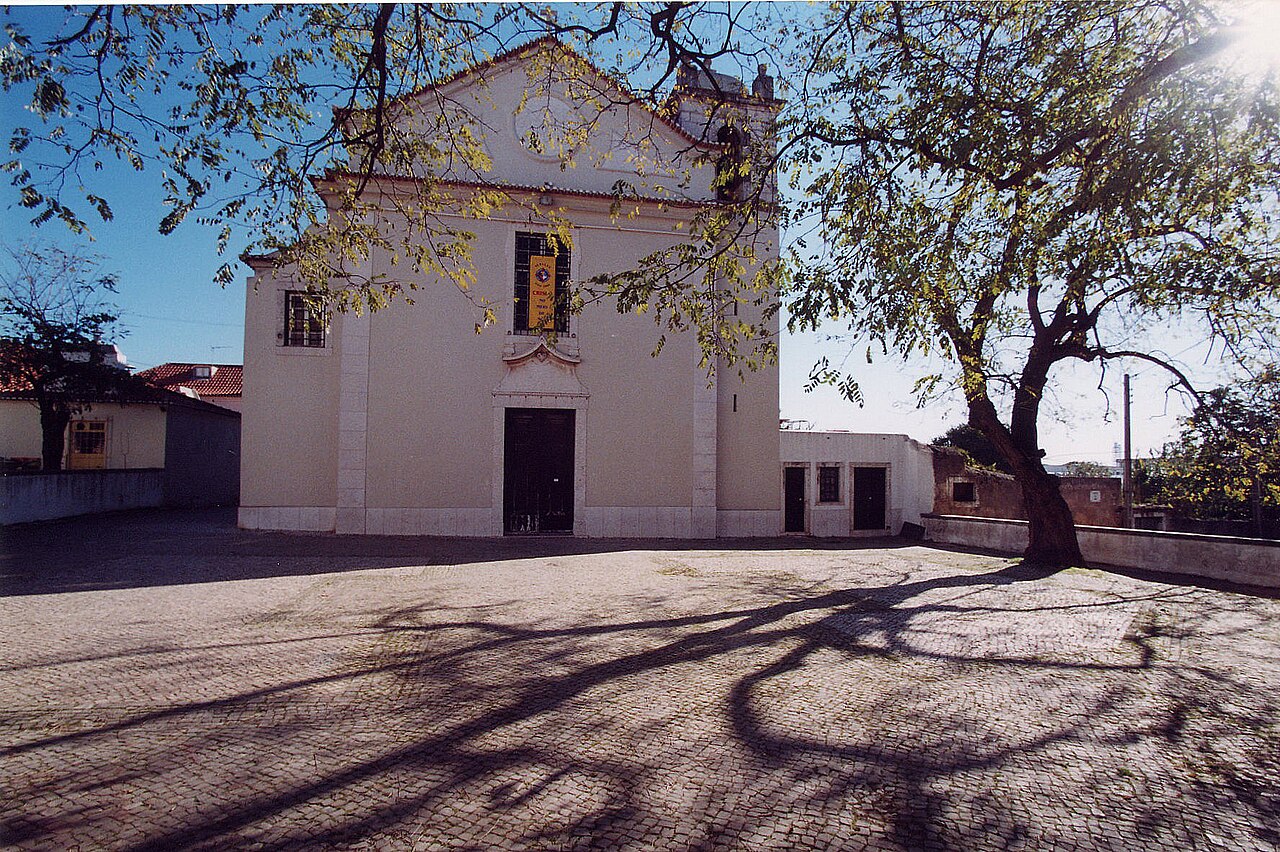
LIS-009Historic centre

Igreja do Menino Deus

Church of Menino Deus

Why do we read this church through Wu Wang?

Look first at the entrance and façade. When the church is open, step inside to observe its proportions and decorative details. Relating these details to its construction period makes the building more memorable than a single frontal photograph.

Church of Santa Maria dos Olivais · Archive photograph
Photo source and licence

Lavviddenorway · CC BY-SA 3.0

Original photograph page ↗

Cropped preview; see the original photograph. The photograph does not confirm the venue’s present condition.

LIS-010East

Igreja de Santa Maria dos Olivais

Church of Santa Maria dos Olivais

Why do we read this historic centre through Jing?

Look at the church from the square, then find the fountain and bandstand. Notice where people pass, pause and talk: these are clues to the church's relationship with everyday life around it.

Ruins of the Carmo Convent · Archive photograph
Photo source and licence

NorbertNagel · CC BY-SA 4.0

Original photograph page ↗

Cropped preview; see the original photograph. The photograph does not confirm the venue’s present condition.

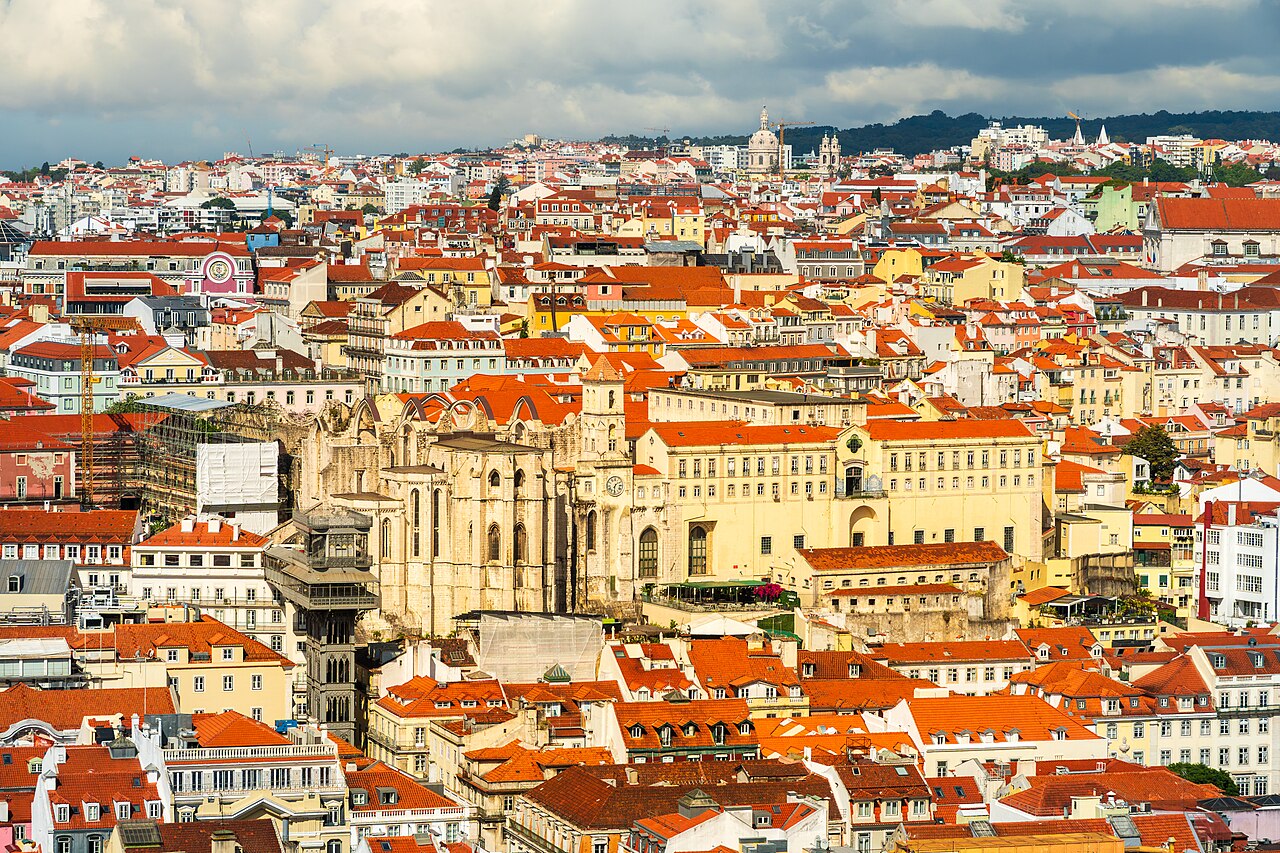
LIS-011Historic centre

Ruínas do Convento do Carmo

Ruins of the Carmo Convent

Why do we read these ruins through Bo?

From the nave, look at the arches against the sky, then examine the surviving wall sections. Use the timeline to distinguish the earthquake, rebuilding and museum use, without rushing to imagine a fully restored church.

Santa Justa Lift · Archive photograph
Photo source and licence

Diego Delso · CC BY-SA 4.0

Original photograph page ↗

Cropped preview; see the original photograph. The photograph does not confirm the venue’s present condition.

LIS-012Historic centre

Elevador de Santa Justa

Santa Justa Lift

Why do we read this lift through Sheng?

From street level, look at the iron structure's vertical lines and the connection between the two levels of the city. If you plan to ride, check the queue and operating arrangements on site: straight-line distance does not reveal the height difference.

Showing 12 / 32

NEIGHBORS

After every walk nearby,
a bench is waiting for you.

After a building and a meal, leave one true sentence about the place. No scores and no noise: just somewhere for a passing moment to stay.

Sit on a bench nearby ↗No scores · no rankings · no ads: only real encounters.
Sources and updatesThe public sources listed for each building, and when they were checked.